Synopsis: The United Nations calls for expanded funding and stronger agricultural systems to address childhood stunting and safeguard human capital.
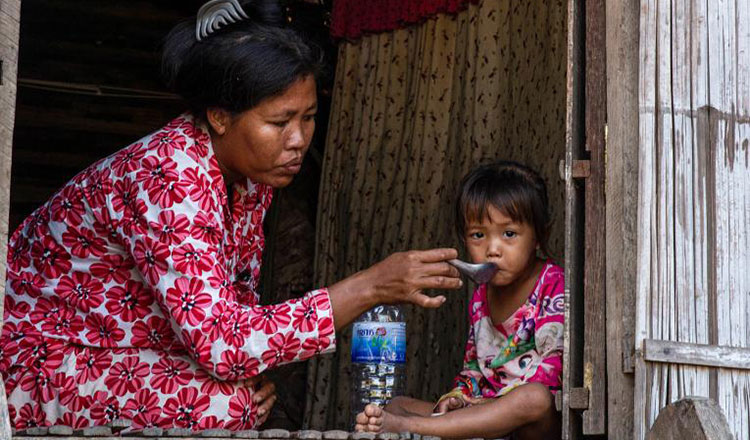
About 22% of Cambodian children under five are stunted, the Food and Agriculture Organisation (FAO) said Wednesday, prompting calls for expanded cross-sector investment to combat child malnutrition and secure long-term economic growth.
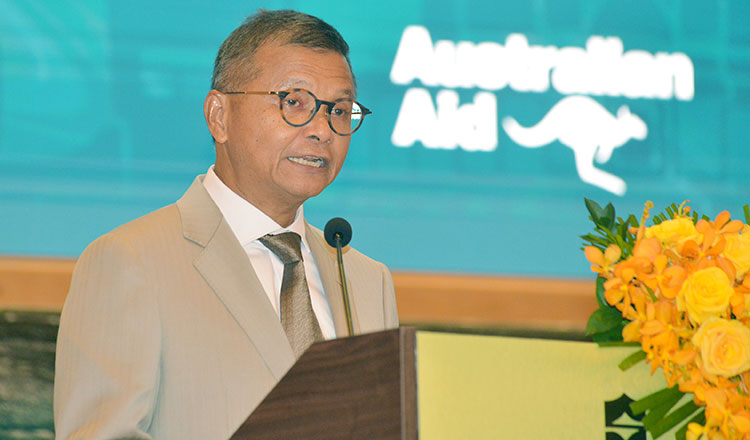
Speaking at the 13th National Nutrition Day at the Royal University of Agriculture in Phnom Penh, FAO Representative in Cambodia Rebekah Bell said malnutrition and rising obesity rates require coordinated action to ensure universal access to safe, affordable and nutrient-rich diets.
“Investing in nutrition is not simply a health issue but an investment in education, economic productivity and human capital that supports the country’s future prosperity,” Bell said, noting that global evidence shows every dollar invested in reducing malnutrition can generate up to 23 dollars in economic returns.
While Cambodia has improved overall food security over the past decade, national health data underscores ongoing vulnerabilities. According to the 2021–2022 Demographic and Health Survey, 22% of children under 5 suffer from stunting, 10% experience wasting and 16% are underweight. Additionally, 4% of young children and about one-third of women aged 20 to 49 are overweight or obese.
Bell said addressing these diverse forms of malnutrition requires structural changes that extend beyond food availability.
“We need action across the entire food system to ensure that food production, supply and consumption respond to people’s nutritional needs,” Bell said. “The success of food systems should not be measured only by how much food they produce but also by how effectively they nourish the people they are intended to serve.”
She outlined key priority interventions, including large-scale food fortification, expanded school feeding initiatives, social behaviour campaigns and improved distribution of nutrient-dense food.
Council for Agricultural and Rural Development Secretary-General Sok Silo said the government views nutrition funding as an essential driver of human capital development, poverty reduction and socio-economic progress.
Silo said that while progress has been achieved in curbing acute child malnutrition, persistent micronutrient deficiencies, anaemia and rising rates of non-communicable diseases require broader intervention.
To address these concerns, Silo said ministers have introduced a multisectoral strategy focused on strengthening sustainable agriculture, upgrading healthcare services, expanding clean water access and reinforcing social protection frameworks, stressing the need for development partners and private enterprises to step up coordination on food control and child growth monitoring.
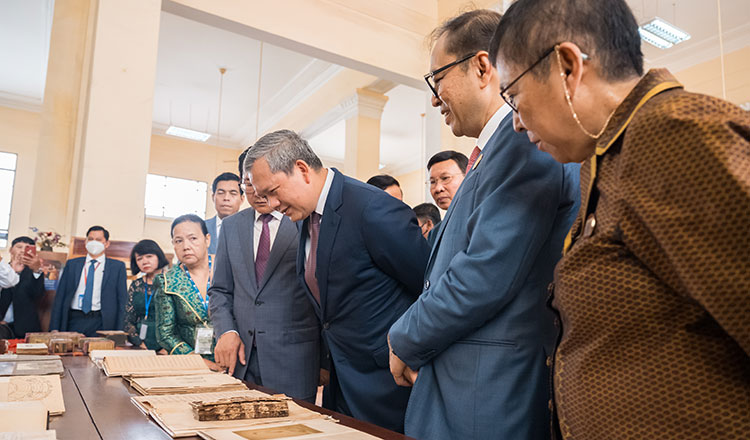
Academic institutions are also expanding research infrastructure to support the national agenda. Royal University of Agriculture Rector Ngo Bunthan said international partnerships have enabled the university to set up three specialised facilities, including a Food and Nutrition Laboratory to analyse dietary content and a Nutrition Education Laboratory to assess community health status.
UN representatives renewed their technical commitment to supporting government ministries as Cambodia works to strengthen food safety controls and meet its national nutrition targets.