A group of nonprofits has purchased and forgiven medical debt for more than 140,000 Massachusetts residents.
The debt forgiveness program, led by the nonprofits Atrius Health Equity Foundation and Undue Medical Debt, will pay off about $170 million in debt starting July 7, according to a statement from the groups.
Since 2024, the two groups said they’ve forgiven more than $255 million in medical debt incurred by low and middle-income residents in Eastern Massachusetts.
About one in eight state residents has medical debt according to the Massachusetts Center for Health Information and Analysis.
“Medical debt, it’s very different from other forms of consumer debt because it is not generally a debt of choice,” said Atrius Health Equity Foundation President Dr. Ann Hwang. “People acquire medical debt, in short, because they get sick and because they need to use healthcare services.”
The nonprofits don’t solicit or accept requests to forgive medical debt. Instead, they apply their own set of criteria based on income and debt owed to decide which patients will get relief. Starting July 7, qualified Eastern Massachusetts residents will receive a letter in the mail, notifying them of their debt erasure. Residents won’t need to take further action.
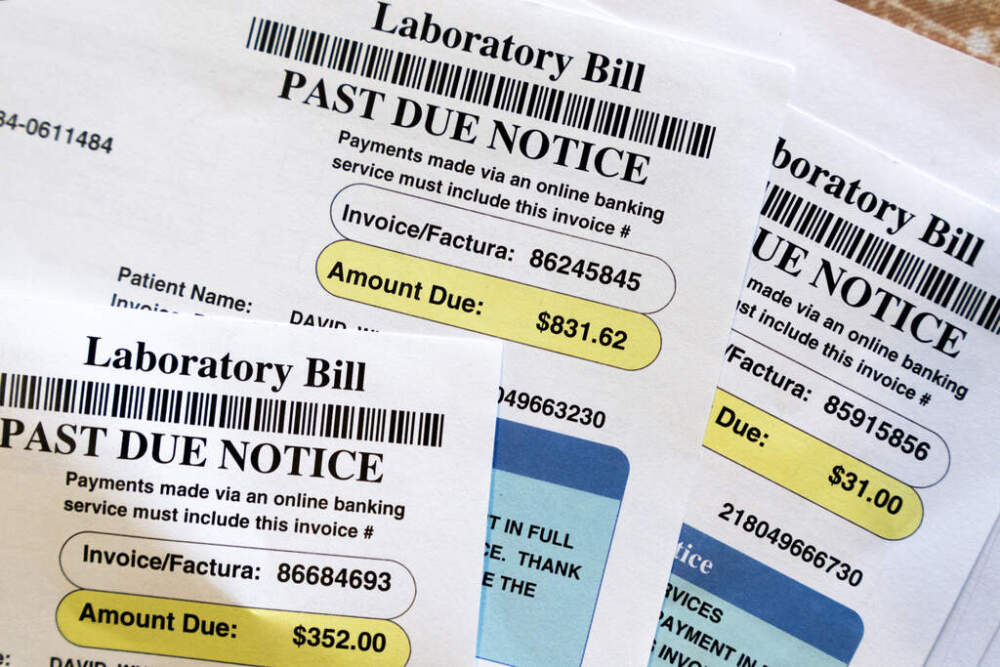
About 85% of the residents affected live in Essex and Middlesex Counties. They owed an average of $1,226.73 in medical debt.
A poll from Undue Medical Debt found 57% of respondents felt that the hardest part of having medical debt is the mental stress and anxiety. About 300,000 patients may also lose MassHealth or Health Connector coverage over the next decade due to eligibility changes brought by the “One Big Beautiful Bill” Act.
“We know that people who have medical debt may be less likely to seek care. They may feel uncomfortable going back to see a provider where they know they have a bill or debt,” said Hwang. “ So we’re really hopeful that by relieving medical debt for these individuals, we can help people feel confident in being able to access healthcare.”
Hwang said that medical debt is also a health equity issue – it disproportionately affects low-income individuals and communities of color.
She urged those with medical debt to examine their medical bills for errors, including incorrect names or failure to bill an appropriate item to insurance, which happens frequently. Residents may also be eligible for financial assistance programs that can help contest or negotiate bills.