A federal judge this week vacated two Trump administration policies in a ruling that could upend some of the most controversial actions by immigration enforcement agents in Massachusetts.
The ruling appears to bar a policy that allowed U.S. Immigration and Customs Enforcement agents broad discretion to conduct arrests at courthouses, including federal and state courts — and notably, immigration courts. Under the Trump administration’s aggressive immigration crackdown, courthouse arrests increased dramatically.
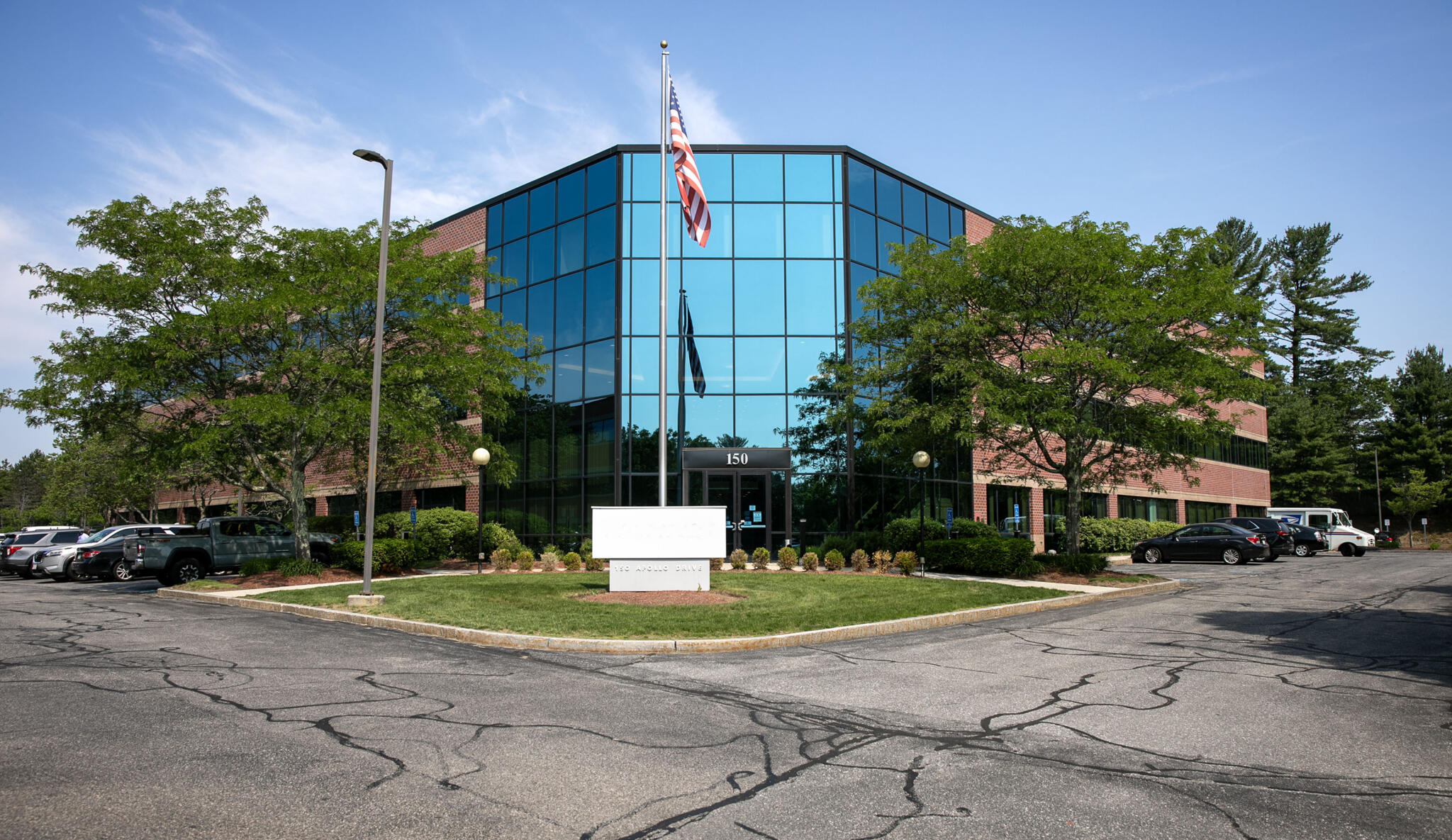
Tuesday’s decision also is expected to stop permitting ICE to hold people for 12 hours at most field offices that are not meant to hold people long term, such as ICE’s Boston-area headquarters in Burlington.
The case was brought by a Guatemalan woman who was arrested after appearing for an immigration hearing and detained at ICE’s San Francisco field office. Lawyers challenged ICE’s 12-hour detention waiver, a policy that allowed people to be held in field offices for days or weeks.
One of her attorneys, Nisha Kashyap of Lawyers’ Committee for Civil Rights of the San Francisco Bay Area, said the judge’s revocation of both policies applies across the country.
“In these types of cases, if a federal court finds that a policy is unlawful, the typical remedy is to vacate the entire policy,” Kashyap said. “The federal court doesn’t go in with a scalpel and only remove the unlawful parts of the policy.”
A spokesperson for Massachusetts Attorney General Andrea Campbell also said the ruling applies nationwide.
In his decision, Judge Patrick Casey Pitts restored a Biden-era policy on immigration arrests at all courthouses, not just immigration courts. Pitts wrote that the decision, “does not preclude ICE from conducting civil enforcement actions at courthouses; it merely reinstates ICE’s 2021 guidance and [Executive Office for Immigration Review] 2023 guidance, which authorized courthouse arrests in defined circumstances.”
The defined circumstances are narrow, including cases of national security threats or “hot pursuit.”
The ICE Boston field office in Burlington, Mass. (Robin Lubbock/WBUR)
According to the decision, ICE is not banned from housing people at administrative offices for more than 12 hours. But now, individual waivers will be required at each facility in question. ICE did not respond to a request for comment about the Burlington facility, which has drawn regular protests, as well as criticism from members of Congress.
Pitts’ ruling comes as Massachusetts lawmakers are negotiating a final version of a bill that would curtail ICE actions in the state, including at courthouses and other “sensitive locations,” such as hospitals and daycare centers. The so-called Protect Act passed in both the state’s House and Senate, and is now being finalized in conference committee.
The ruling was lambasted by James Percival, general counsel for the Department of Homeland Security, as “naked judicial activism in service of an anti-American, open borders agenda.”
Percival wrote on X: “When a judge sentences a defendant, the defendant is taken into custody. If an alien is ordered removed by an immigration judge, the same should happen.”
Legal observers said the Department of Justice will likely appeal the decision, as it has with many other federal rulings that limit immigration enforcement — and sometimes with success.
Separately this week, a federal appeals panel in Washington D.C. ruled 2-1 to overturn a district order that halted “expedited removals” for any undocumented person in the country for less than two years. Expedited removals, in which deportations take place without judicial oversight, had historically been used only for recent arrivals at U.S. borders.
Kerry Doyle, an attorney who served briefly as an immigration judge in Chelmsford, Mass., before being fired under the second Trump administration, said the expedited removal ruling runs headlong into the ruling that curtails courthouse arrests. Doyle said ICE agents were arresting people at immigration court immediately after the government moved to terminate their cases, then fast-tracking their deportations.
“ So their regular deportation case — where you get to talk to an immigration judge — those were being terminated, and then ICE was arresting [people] at the courthouse and then subjecting them to expedited removal,” Doyle said.
Expedited removals are back on the table, but courthouse arrests are not, Doyle said, at least for now. Immigrants have a right to “not be scared away from appearing in court with the threat of ICE officers standing there and ripping you away from your family.”
“Now, we’ll see, because the government will appeal, and we know that the Supreme Court has been vacating a lot of the [orders] that district courts have put in place,.” she added.
Neil Sawhney of the the ACLU of Northern California was co-counsel for the plaintiffs in the San Francisco case. He said he hopes the government won’t appeal, because courthouse arrests undermine the U.S. justice system.
“But we’re ready to litigate the case if we need to,” Sawhney said.