The United States has carried out a seventh consecutive night of military strikes against Iran, signalling a sustained escalation in one of the Middle East’s most volatile conflicts.
The latest attacks targeted military infrastructure as Washington said it was continuing efforts to weaken Iran’s military capabilities amid rising regional tensions.
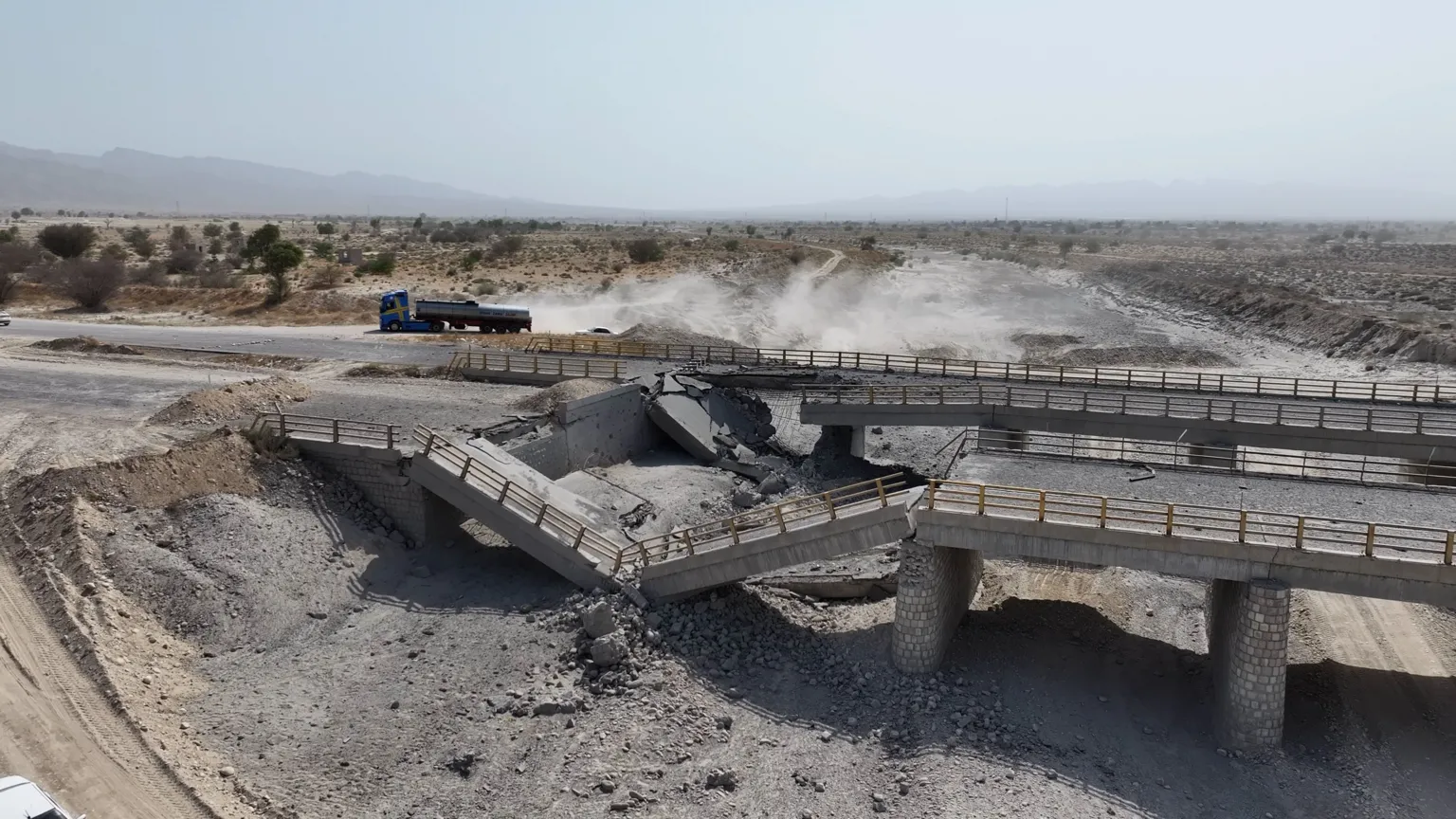
US Central Command (CENTCOM) said the strikes hit surveillance sites, military logistics infrastructure, underground weapons storage facilities and maritime assets.
According to the US military, fighter aircraft, drones and warships were involved in the operation, which ended late on Friday under orders from President Donald Trump.
Iran has responded with missile and drone attacks targeting US allies and military facilities across the Gulf region, while shipping through the strategically vital Strait of Hormuz has faced renewed disruption.
The waterway is a key global energy route, carrying a significant share of the world’s seaborne oil exports, raising concerns over the potential economic impact of the conflict.
The exchange of strikes has heightened fears of a broader regional war, with international leaders continuing to urge restraint and renewed diplomatic engagement.
Humanitarian agencies have also expressed concern about the growing impact on civilians and critical infrastructure in affected areas.
While Tonga has no direct involvement in the conflict, prolonged instability in the Gulf could contribute to higher global fuel prices and increased shipping costs, developments that may eventually affect Pacific economies dependent on imported fuel and goods.
The situation remains fluid, with both Washington and Tehran indicating they are prepared to continue military operations.