Tajikistan is studying possible changes to the taxation of sugar-sweetened beverages as part of efforts to improve nutrition and public health policy. No decision on introducing a new tax has yet been announced.
The United Nations office in Tajikistan said the issue was discussed at a meeting of the Joint Steering Committee of the program “Food Systems Transformation for Better Nutrition in Tajikistan.”
“The program continues to support analytical work on sugar-sweetened beverage taxation,” the UN said, adding that the research is intended to support nutrition-sensitive fiscal policy and public investment decisions.
The UN did not specify which tax models are being considered, whether existing rates could be revised or when concrete proposals might be presented. For now, the initiative remains at the analytical stage.
Tajikistan already taxes some sugary drinks
Some beverages containing added sugar are already subject to excise tax in Tajikistan.
Under government decree No. 335 of May 29, 2025, beverages classified under commodity code 2202 are taxed at €0.04 per liter. The category includes mineral and carbonated water containing added sugar, other sweeteners or flavorings, as well as certain other non-alcoholic beverages.
Fruit, nut and vegetable juices classified under code 2009 are excluded.
Energy drinks are taxed separately at €0.06 per liter.
However, the current system does not link the tax rate to the amount of sugar in a beverage. Products falling under the main category are taxed at the same rate per liter regardless of their sugar content.
This means the existing excise system is not necessarily the same as a dedicated sugar-sweetened beverage tax of the kind used in some other countries.
The current analysis could therefore examine changes to the tax structure, the range of beverages covered or the possibility of linking rates to sugar content. Tajik authorities have not yet said which approach is under consideration.
What is a sugar-sweetened beverage tax?
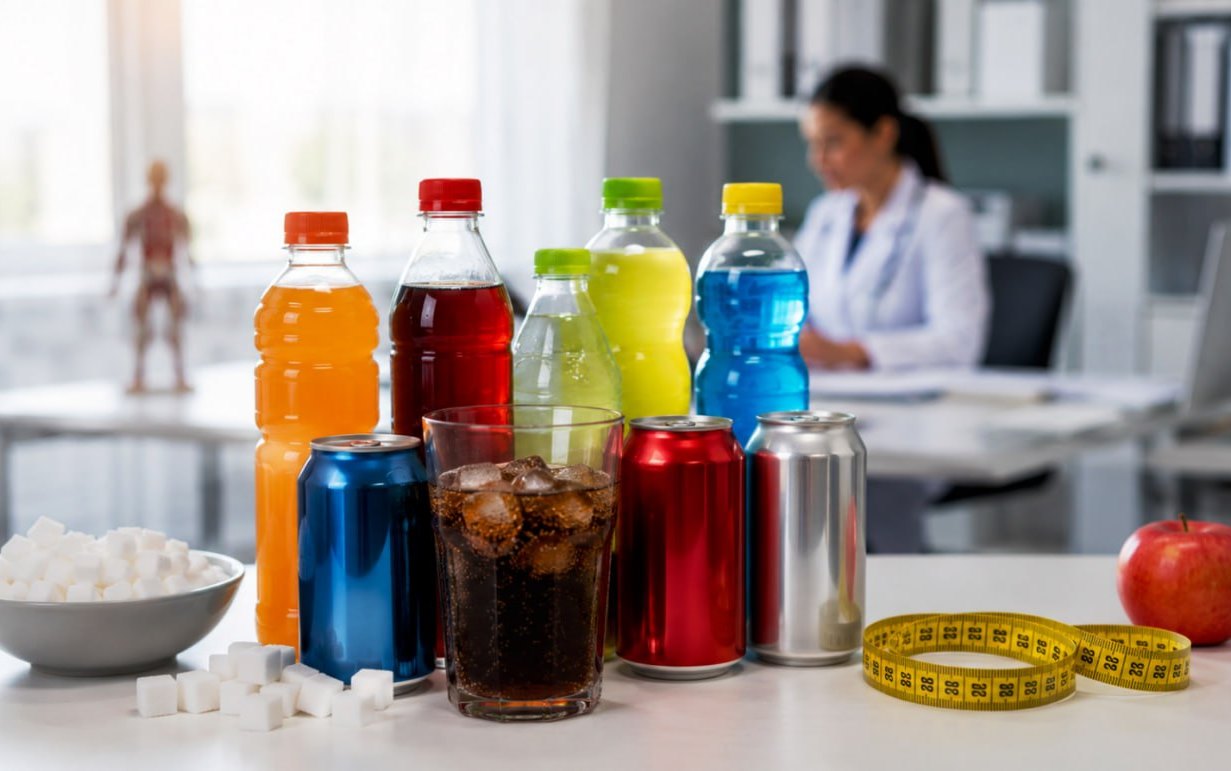
The World Health Organization uses the term sugar-sweetened beverages, or SSBs, for a broad range of drinks containing free sugars.
These can include carbonated and non-carbonated soft drinks, juices and nectars, flavored milk drinks, energy and sports drinks, sweetened tea and coffee, flavored water and beverage concentrates.
The WHO definition is broader than the category currently covered by Tajikistan’s main excise rate. For example, some fruit and vegetable juices are excluded from commodity code 2202 in Tajikistan but may fall within the WHO’s broader definition because they contain free sugars.
Governments can design sugary-drink taxes in several ways. They may impose a fixed tax per liter, charge a percentage of the product’s value or base the rate on the amount of sugar it contains.
A sugar-based system means drinks with more sugar face higher taxes, which can also encourage manufacturers to reformulate products and reduce sugar levels.
Why introduce such a tax?
The WHO considers taxation of sugar-sweetened beverages a public health measure designed to reduce consumption of high-sugar drinks by increasing their price.
Such taxes can also encourage consumers to choose alternatives with less sugar and give manufacturers an incentive to reformulate their products.
Tax revenues can also be used to fund public programs.
In January 2026, the WHO said sugar-sweetened beverages were subject to taxes in at least 116 countries. At the same time, it noted that many existing taxes cover only part of the beverage market or are too low to have a substantial impact on retail prices.
The issue has been raised before
Special taxation of sugary drinks is not a new topic in Tajikistan.
In October 2025, the Ministry of Health and the WHO Regional Office for Europe held a two-day dialogue in Dushanbe on preventing noncommunicable diseases through changes to the food system.
Among the measures discussed were taxation of sugar-sweetened beverages, reducing salt consumption, eliminating industrial trans fats, restricting the marketing of unhealthy food to children and improving school nutrition.
The current analytical work is being carried out under the joint Government of Tajikistan-UN program “Food Systems Transformation for Better Nutrition in Tajikistan,” implemented by FAO, UNICEF,the World Food Programme and WHO.
For now, the authorities have announced only that the analysis is continuing. The key question is whether Tajikistan will simply adjust its existing excise system or introduce a more targeted mechanism in which tax rates depend directly on the sugar content of drinks.