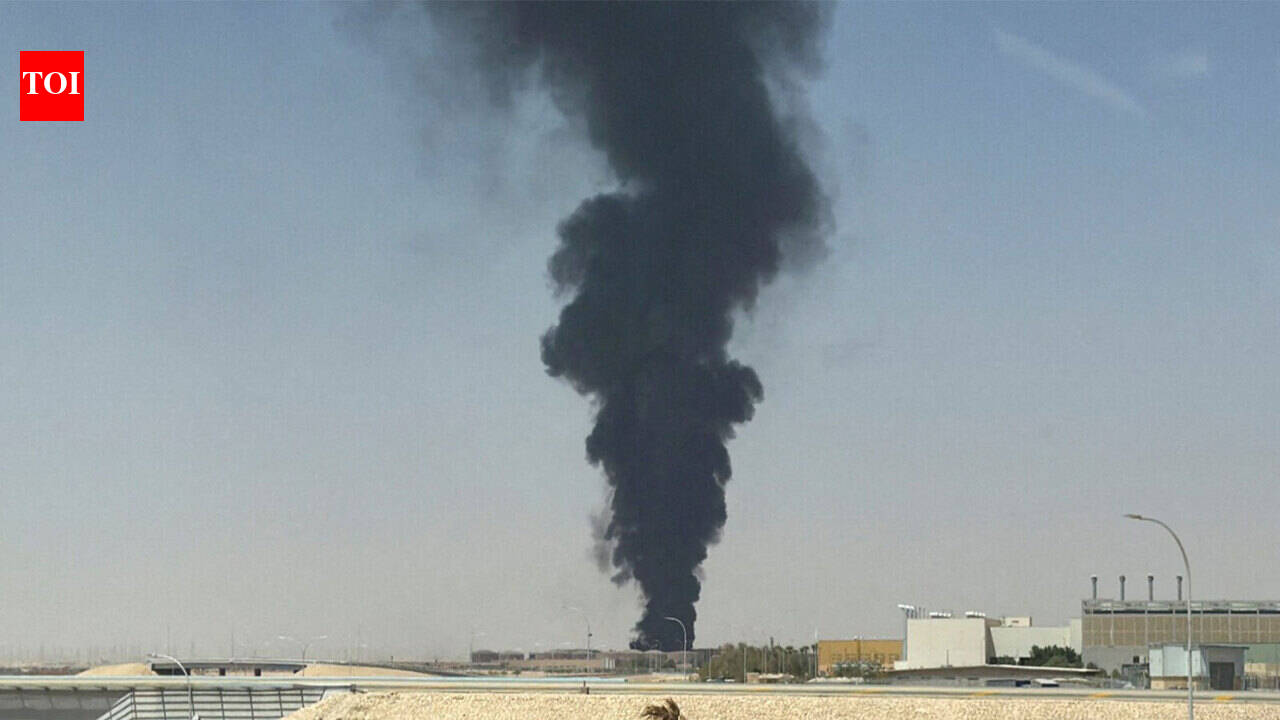
Indian Embassy in Riyadh advises nationals to “stay indoors” after Houthi attacks on Saudi airports The Pakistani government has denied a New York Times report that claims Pakistani forces have struck Houthis in Yemen. The NYT report surfaced in the middle of a drone and missile campaign initiated by Iran backed Houthi rebels based in Yemen, that has targeted the oil rich Arab kingdom. The Houthis have been targeting Saudi oil infrastructure and their actions at the Bab-el-Mandab has had an impact on global energy transit through the narrow waterway. The Pakistanis and the Turks have n ot come to the aid of their treaty partner as it comes under repeated attack from its war torn neighbour to the southwest.The Houthi-Saudi conflict is rooted in Yemen’s long struggle for power and the wider rivalry between Riyadh and Tehran. The Zaidi Shiite Houthi movement emerged in northern Yemen in the 1990s and gained strength after seizing the capital, Sanaa, in 2014. In March 2015, Saudi Arabia led a military coalition into Yemen’s civil war, aiming to defeat the Iran-backed group and restore the internationally recognised government. The intervention led to a severe humanitarian crisis, blockades and years of Houthi drone and missile strikes on Saudi infrastructure. The conflict has flared again in 2026, with the Houthis renewing maritime blockades and striking Saudi oil and utility facilities, prompting fresh Saudi military responses.Field Marshal Asim Munir, Pakistan’s Chief of Defence Forces, visited Riyadh, late last month where he met the army chiefs of Saudi Arabia and Türkiye. The three countries signed the Mecca Joint Defence Agreement in August. Pakistan and Saudi Arabia are also bound by the Strategic Mutual Defence Agreement signed in 2025. Pakistan has based a squadron of fighter aircraft at the King Abdulaziz Air Base.The meeting late last month followed repeated Houthi drone and missile attacks on Saudi civilian and economic infrastructure in recent weeks. The military heads from all three countries reaffirmed what they described as an unequivocal rejection of any attack or threat against the kingdom’s security and territorial integrity.Türkiye, the third partner in the pact, is assessing how it can help. Turkish officials have stressed that the agreement is defensive rather than offensive, and military planners are looking at possible contributions in air defence, electronic warfare and technical support. Any assistance at this stage is expected to be bilateral, since the Turkish parliament has not ratified the pact. The formal Pakistani-Saudi understanding, for now remain pact without an impact.Pakistan’s role is more central in two other Saudi-led security frameworks. The Islamic Military Counter Terrorism Coalition, a 43-nation grouping, has been commanded since 2017 by former Pakistani army chief General Raheel Sharif. Despite the Houthis being designated a terrorist organisation by Saudi Arabia and other states, the coalition has not been mobilised against the current campaign. Pakistan also holds the deputy command of the newly formed Multinational Maritime Defence Coalition, set up to counter Houthi threats to shipping in the Red Sea and the Bab el-Mandeb, yet no visible operational response has followed there either.Pakistan’s footprint inside the kingdom is already considerable. Pakistani media reports put the number of troops at around 8,000, along with a squadron of JF-17 Thunder fighters, which are of Chinese origin and assembled in Pakistan, two squadrons of military drones and a Chinese-origin HQ-9 long-range air defence system. All of this equipment is operated by Pakistani personnel, while Saudi Arabia reportedly covers deployment, operational and logistical costs, along with per-soldier compensation paid to Islamabad.