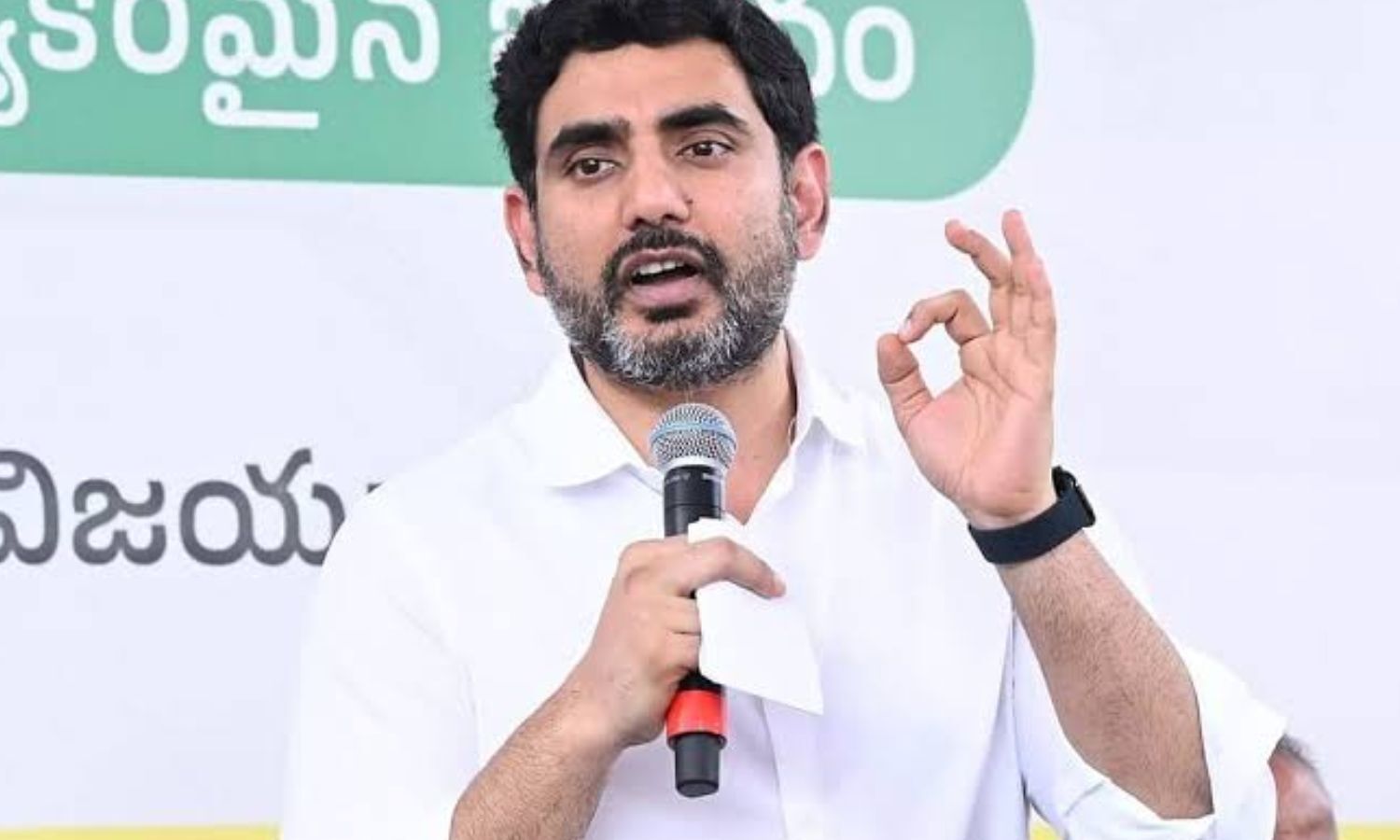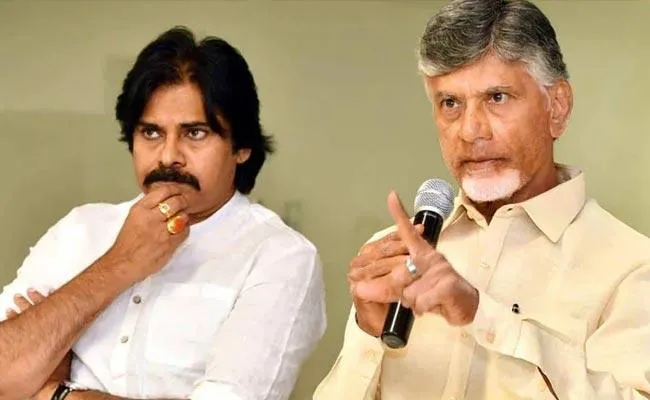
Telugu Desam Party president and Andhra Pradesh Chief Minister N Chandrababu Naidu appears to be facing a tougher challenge in maintaining cohesion within the ruling alliance than in demonstrating his own administrative performance as Chief Minister.
With local body elections around the corner, the alliance partners are increasingly putting pressure on the TDP leadership over seat-sharing and political space.
Local body elections are particularly crucial for the ruling coalition. While such polls are generally considered a prestige issue for any government in power, in Andhra Pradesh they have acquired even greater political significance for the TDP and Naidu.
Under these circumstances, the Chief Minister faces the difficult task of keeping the alliance intact by accommodating the Jana Sena Party and the BJP, while at the same time protecting the TDP’s organisational strength and political dominance.
Naidu also faces the challenge of assessing the public mood, with reports from the ground suggesting a degree of anti-incumbency against his government.
Andhra Pradesh voters have delivered dramatically different verdicts in successive elections. The TDP suffered a crushing defeat in 2019, while the YSR Congress Party secured a sweeping victory. Five years later, in 2024, the electorate delivered an equally dramatic verdict in favour of the TDP-led alliance, reducing the YSRCP to just 11 Assembly seats.
However, despite its electoral defeat, the YSRCP and its president Y S Jagan Mohan Reddy continue to retain a substantial vote base. The party’s vote share remains close to 40 per cent, making the forthcoming local body elections politically significant.
Against this backdrop, the local body polls are likely to be viewed as a referendum on the ruling coalition, regardless of how the alliance partners choose to describe them.
The coalition will need to perform strongly to prevent the Opposition from claiming that the YSRCP has regained political ground.
Simply pointing to the YSRCP’s 11 Assembly seats while ignoring its vote share may not be enough if the party performs well in the local elections. Likewise, if the TDP records a strong vote share but fails to win enough local bodies or does not contest seriously, political opponents could use that as evidence of organisational weakness.
The alliance partners appear to understand the stakes. Jana Sena chief and Deputy Chief Minister Pawan Kalyan has indicated that his party does not want to accept the same kind of seat adjustments made during the 2024 elections. The BJP, too, appears keen to expand its political footprint in the state.
Jana Sena believes that Pawan Kalyan played a crucial role in the formation and victory of the alliance. The BJP, meanwhile, is believed to consider its support important in helping Naidu politically during difficult periods, including the time following his arrest under the previous government.
At the same time, the TDP remains the only one among the three alliance partners with an established statewide organisational structure and a demonstrated electoral base. Neither Jana Sena nor the BJP has yet built comparable independent strength across Andhra Pradesh.
The key question now is how far the TDP should accommodate its partners without weakening its own position.
The TDP was founded with a broader political and social base than its allies. Against this background, some within the party argue that it cannot afford to continually reduce its political space merely to strengthen its coalition partners. At the same time, maintaining alliance unity remains equally important.
If the TDP makes substantial concessions and allocates more seats to Jana Sena or the BJP in the local elections, it may help preserve coalition unity. But if the alliance partners are given more seats than their organisational strength can support and subsequently lose them, it could create fresh political space for Jagan Mohan Reddy’s YSRCP.
The broader challenge for Naidu, therefore, is to strike a balance between alliance politics and the long-term interests of the TDP and the ruling coalition.
Some pro-TDP analysts argue that overly generous seat-sharing could weaken the alliance electorally and give the YSRCP an opportunity to regain momentum. Others believe that a more competitive arrangement, including friendly contests in some places, could allow each alliance partner to demonstrate its independent strength.
Ultimately, Naidu’s challenge is not merely to preserve the alliance, but to ensure that its electoral strategy does not inadvertently weaken the very coalition that brought it to power.