Emancipation messages
Aug 01, 2026
News
ERC’s EMANCIPATION DAY MESSAGE 2026
(Kaieteur News) – The Ethnic Relations Commission (ERC) joins Guyanese across the nation and throughout the diaspora in observing the 188th Anniversary of the Emancipation of Africans from slavery, a defining milestone in our history that is both solemn in remembrance and inspiring in its enduring legacy.
For generations, Africans were forcibly taken from their homeland, subjected to brutal and inhumane conditions, and deprived of their fundamental human rights. Yet their spirit endured. In the years that followed freedom, the formerly enslaved pooled their resources to purchase the very plantations on which they had laboured, founding the Village Movement and establishing communities that stand to this day. Their courage and endurance continue to inspire generations of Guyanese.
This day, August 1st, is not only a celebration of freedom, but a call to reflect on the sacrifices, strength and resilience of our African ancestors.
This year’s observance carries particular significance, as our nation marks sixty years of Independence. The freedom won in 1838 laid the foundation for the sovereignty we celebrate in 2026, and the contributions of Guyanese of African descent remain woven into every part of our national life.
As part of its constitutional responsibility to foster harmony and good relations among Guyana’s ethnic groups, the Commission regards Emancipation Day as an important occasion for reflection, education and national unity. It reminds us that building a stronger nation requires a continued commitment to mutual respect, inclusion and appreciation of our diverse cultural heritage.
The Commission encourages all citizens to take part in Emancipation activities across the country, and to embrace the occasion as a national opportunity for reflection, learning and togetherness. It is in the sharing of each other’s history and heritage that tolerance is nurtured and the bonds of our nationhood are strengthened.
Guyana Trades Union Congress (GTUC): Freedom is not a favour—It Is a Right
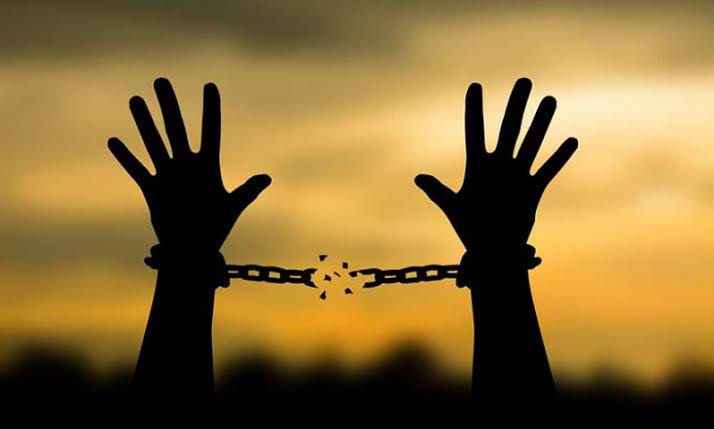
On August 1, 1838, the chains of chattel slavery in the British colonies were finally broken. That victory did not come through the goodwill of the slave masters or the colonial establishment. It was won through generations of resistance, sacrifice, rebellion, and the unwavering determination of enslaved Africans who refused to surrender their humanity.
Emancipation remains one of history’s greatest declarations that no government, institution, or individual has the right to dominate, exploit, or deny another person their dignity and freedom.
The Guyana Trades Union Congress (GTUC) reminds the nation that Emancipation is more than a cultural observance. It is a call to defend freedom against every attempt to diminish it. Though the shackles of slavery have been removed, oppression still exists through discrimination, exclusion, intimidation, abuse of power, economic marginalisation, and the manipulation of institutions established to serve the people.
The enslaved fought against a system that stole their labour, separated families, denied them education, stripped them of their identity, and reduced them to property. They resisted so future generations would never have to plead for equality or fear those entrusted with governing them.
The GTUC therefore calls on the Irfaan Ali regime to respect the constitutional rights of African Guyanese and every other citizen. Equality before the law cannot depend on race, political affiliation, or social standing. National development cannot be measured solely by economic growth and oil wealth while many citizens believe they are denied equal treatment, opportunity, and representation.
In the twenty-first century, Guyana must reject racial discrimination, political victimisation, corruption, abuse of state authority, suppression of dissent, attacks on independent institutions, and any effort to intimidate citizens into silence. Freedom also demands respect for workers’ rights, freedom of association, freedom of expression, and the right of every citizen to participate equally in the affairs of the nation.
The GTUC reminds those who govern that power belongs to the people and is exercised in trust. Governments are elected to serve the nation—not to reward supporters, punish critics, or treat constitutional rights as privileges to be granted or withheld. Human rights, justice, and equality are not political concessions; they are fundamental obligations of democratic governance.
As we honour our ancestors this Emancipation Day, let us remember that they fought not only to break chains but to establish justice. Their sacrifice calls on every generation to resist oppression in all its forms and to defend the freedoms they secured with courage and blood.
The GTUC remains steadfast in that mission. We will continue to stand with workers, defend the rights of every citizen, and demand a Guyana where freedom is not simply celebrated on August 1, but protected every day of the year.
Happy Emancipation Day.
Guyana Public Service Union (GPSU), Message from Mr. Patrick M. Yarde, President/CEO
“You can change the laws of man, but you can’t change the laws of God.” — Queen Ifrica
As Queen Ifrica prepares to headline this year’s Emancipation Day celebrations at the National Park, these words remind us that justice, dignity, and freedom are principles greater than any human institution. They speak to the enduring struggle of humanity to uphold truth, equality, and respect for all.
On behalf of the Executive Council of the Guyana Public Service Union (GPSU) warmest Emancipation Greetings are extended to all our members, and indeed to all Guyanese, at home and in the Diaspora, on this historical 188th Anniversary of the formal abolition of Slavery.
As we join the people of Guyana, the Caribbean, and the African diaspora in commemorating Emancipation Day 2026. We honour our African ancestors who endured the horrors of the Middle Passage, survived the cruelty of slavery, and preserved their dignity, culture, and humanity in the face of unimaginable suffering.
However, while we are commemorating the horrors of the Middle Passage, honoring the countless ancestors swallowed by the Atlantic Ocean in their forced journey toward freedom, we find ourselves anchoring a new, profound grief in those very same waters.
At this time Guyana weeps for the 103 souls lost to the horrific sinking of the MV Barima.
There is a devastating, inescapable echo in this tragedy. The Atlantic has once again become a watery grave for our people, a painful reminder of historical trauma where bodies were crammed into dark hulls, stripped of safety, dignity, and agency. To see a colonial-era vessel, overburdened and neglected, claimed the lives of our brothers and sisters on the eve of Emancipation feels like a reopening of an ancestral wound.
The Middle Passage reminds us of the ultimate cost of human lives being treated as mere cargo. The tragedy of the MV Barima forces us to confront a modern failure of that very same duty of care.
We pray for the families enduring this unimaginable nightmare, and we honor the memories of those who did not return to shore. May we channel our national grief into an unyielding demand for justice, accountability, and the protection of every Guyanese life. We owe it to our ancestors, and we owe it to the 103 souls we mourn today, to ensure our waters never witness such negligence again.
May their souls rest in eternal peace.
The story of slavery is one of the darkest chapters in human history. Millions of Africans were violently torn from their homes, families, and communities, forced across the Atlantic Ocean under conditions of unimaginable cruelty, and subjected to a system that sought to deny their humanity. The slave trade was built upon violence, exploitation, and the belief that one human being could own another. Yet, even in the deepest darkness of bondage, the enslaved African spirit remained unbroken. Through resistance, survival, cultural preservation, and an unyielding desire for freedom, they challenged a system designed to erase them. Yet they rose to lay the foundational stones of modern Guyana through the village movement, communal farming, cooperatives and early labour organization.
The Abolition Act of 1834 was not a gift; it was a victory. It was the hard-earned outcome of generations of resistance, sacrifice, courage, and relentless struggle by enslaved Africans who refused to accept that bondage was their destiny. Freedom was not placed into their hands through kindness; it was carved from the pain of their suffering, the strength of their resistance, and their unwavering belief that every human being deserved liberty.
The freedom we enjoy today, the rights we exercise, the voices we raise, and the opportunities we pursue, stand upon the shoulders of those who endured what no human being should have been forced to endure. Even the rights that remain unfinished, the rights that are overlooked, and the freedoms that still require protection are connected to the sacrifices of those who came before us. Their struggle opened the doors through which we walk today.
Emancipation therefore is not merely a moment in history; it is a responsibility passed from one generation to the next. It calls upon us to protect the dignity of all people, challenge injustice, and continue the unfinished work of building a more equal society.
For public servants, this responsibility carries a special significance. The institutions of the State exist to protect the rights, freedoms, and dignity of the people. Public servants are therefore not merely employees of government; they are custodians of the Republic’s values and guardians of the freedoms secured through generations of struggle. We must remain vigilant against any attempt to weaken the principles of fairness, justice, accountability, and equality. The freedoms won through sacrifice must never be taken for granted, surrendered through silence, or diminished through neglect.
This year’s theme reminds us of the importance of African culture in connecting generations and building a world where all children are loved and protected. Culture is more than a celebration; it is an identity, a strength, knowledge, and healing. We must preserve our heritage while confronting systemic racism, discrimination, and the lingering effects of colonial injustice.
We now stand at the threshold of a new technological age. Artificial intelligence and innovation present opportunities to transform education, healthcare, public services, and economic advancement. But progress must be guided by fairness, inclusion, and humanity. Our people, especially our youth, must not only consume technology—they must be empowered to create, lead, and shape the future.
At the same time, we must confront the growing challenges affecting our young people, many of whom are being drawn toward crime, violence, substance abuse, and other anti-social lifestyles. We must respond not only with laws, but with love, mentorship, education, opportunity, and renewed investment in the potential of every child.
Guyana’s economic transformation has opened new possibilities, but true development must be measured by how it uplifts people. Prosperity must be reflected in decent work, fair wages, strong public services, quality education, and meaningful opportunities for all citizens. A nation’s greatness is not measured only by its wealth, but by the dignity it affords its people.
The GPSU remains committed to defending workers’ rights, strengthening public service, and advocating for a Guyana built on justice, equality, and inclusion.
As the drums of Emancipation echo across our land, let us remember the words of our National Anthem:
“Both bondsmen and free, laid their bones on your shore.”
These words are more than a verse; they are a memorial carved into the conscience of our nation. They remind us that Guyana was built upon the labour, sacrifice, and resilience of those whose lives shaped the foundation of this Republic. Their bones rest beneath this hallowed ground, but their spirit continues to live through every citizen who serves with honour and every worker who contributes to the advancement of our country.
The GPSU calls upon all public servants to continue serving efficiently with integrity, humility, and dedication. Let us put country before self, remembering that every act of honest service is another step in completing the journey that begun by our ancestors.
Let us use this Emancipation Season to strengthen our solidarity, reject divisiveness and recommit ourselves to building a nation anchored on the principles of fairness, equality and mutual respect. Together, as one formidable workforce, we will safeguard our rights and secure a prosperous future for generations.
Together, let us continue to labour upon the hallowed grounds of the Cooperative Republic of Guyana until we achieve the vision of that Great Land of Guyana—a nation where freedom is meaningful, justice is protected, dignity is respected, and hope belongs to all.
Happy Emancipation Day 2026.
MESSAGE FROM THE CARICOM REPARATIONS COMMISSION
“As we honour the sacrifices of those who resisted enslavement and relentlessly demanded emancipation, we draw inspiration from their vision of freedom rooted in justice, human dignity and equality.”
On Emancipation Day 2026, the CARICOM Reparations Commission joins the people of the Caribbean, Africa and the global African diaspora in honouring the courage, resistance and unyielding determination of our ancestors, who fought for freedom against one of history’s most pernicious and enduring systems of oppression. As we come together to celebrate their triumph over racialised chattel enslavement, we are reminded that the struggle for justice, dignity, and equality remains unfinished.
This year’s observance has particular significance as it comes in the wake of the adoption by the United Nations General Assembly on 25 March 2026, of the landmark Declaration of the Trafficking of Enslaved Africans and Racialised Chattel Enslavement of Africans as the Gravest Crime Against Humanity. This historic recognition affirms what descendants of the victims of enslavement, scholars and advocates have long asserted: that the transatlantic trafficking of Africans and the system of racialised chattel enslavement was a brutal dehumanizing crime whose devastating consequences continue to shape the social, economic, political, and developmental realities of nations and peoples across the Caribbean and the African diaspora. The Resolution strengthens the moral and political foundation for reparatory justice and marks an important milestone in the international community’s acknowledgment of historical truth.
This Emancipation Day also heralds the Twenty-Fifth Anniversary of the Durban Declaration and Programme of Action, adopted at the 2001 World Conference Against Racism, Racial Discrimination, Xenophobia and Related Intolerance. The Durban Declaration remains the most comprehensive international framework for confronting the enduring legacies of enslavement, colonialism and systemic racism. As the international community prepares to commemorate this important anniversary, the CARICOM Reparations Commission calls upon all states to renew their commitment to the full implementation of the Durban Declaration and Programme of Action and to resist efforts to diminish its enduring relevance.
For the Caribbean Community, Emancipation Day is inextricably linked with the movement for reparatory justice. Political freedom, though hard won, did not erase the profound structural inequalities created by centuries of exploitation. The wealth extracted from enslaved African labour financed the development of European empires while leaving Caribbean societies to contend with underdevelopment, economic dependency, and persistent racial disparities. These historical injustices continue to impede sustainable development and demand meaningful redress.
The CARICOM Reparations Commission has therefore relaunched the expanded CARICOM Ten Point Plan for Reparatory Justice: A Manifesto for the Coming Enlightenment, to serve as a framework for former colonizing states, private corporations, academia, the church, civil society and all people of goodwill, to engage in honest dialogue, acknowledge historical responsibility and embrace reparatory justice as an essential pillar of reconciliation, shared human progress and the coming enlightenment.
As we honour the sacrifices of those who resisted enslavement and relentlessly demanded emancipation, we draw inspiration from their vision of freedom rooted in justice, human dignity and equality. Their struggle compels us to continue building societies free from racism, discrimination, and exclusion. Together, let us transform remembrance into resolve and justice into reality for present and future generations.
Discover more from Kaieteur News
Subscribe to get the latest posts sent to your email.