The challenges and opportunities facing Crete over the coming decades will take centre stage at the 7th World Congress of Cretans, to be held from Thursday, July 23 to Sunday, July 26, at the Orthodox Academy of Crete in Kolymbari, Chania.
Held under the theme “Crete and the Cretans of Today and Tomorrow,” the Congress will bring together representatives from government, academia, education, culture, civil society and the Cretan diaspora.
The aim is to exchange ideas and experiences on issues that will shape the island’s future, ranging from economic development and climate resilience to strengthening the connection between younger generations of the diaspora and their Cretan identity.
Four days, four themes
The Congress will be organised around four key themes.
The opening day, Thursday, July 23, will focus on the Diaspora, Economy and Development, while Friday, July 24, will examine Climate Change and the Environment.
On Saturday, July 25, discussions will centre on Education and Culture, before the Congress concludes on Sunday, July 26, with sessions dedicated to Inclusion, Social Responsibility and Volunteering.
Particular emphasis will be placed on keynote addresses, presenting diverse perspectives on Crete’s place in the modern world and its relationship with Cretans living and working overseas.
Deputy Minister for Migration and Asylum Sevi Voloudaki will speak about Crete’s enduring two-way relationship with the wider world and the contribution of the Greek diaspora in the modern era.
Former minister and president of the Network for Reform in Greece and Europe, Anna Diamantopoulou, will discuss the developmental potential of global Hellenism, examining how Greek communities abroad can serve as a strategic advantage for Greece.
Climate resilience and development
Giannis Kefalogiannis will analyse the impact of climate change on Crete and the need to move beyond adaptation towards a more resilient model of development.
Former minister and Professor of Economics at the Athens University of Economics and Business, Nikos Christodoulakis, will outline the island’s emerging development prospects, with a focus on infrastructure, connectivity and opportunities to strengthen economic prosperity.
Education and investment in younger generations will be the focus of an address by Education, Religious Affairs and Sports Minister Sofia Zacharaki, who will examine the role of education in shaping the future of both Crete and Greece.
Volunteering and social responsibility
Social cohesion and community service will be highlighted in presentations by Hellenic Red Cross president Antonis Avgerinos and The Smile of the Child president Costas Giannopoulos.
Avgerinos will discuss volunteering as a means of combating violence and strengthening social solidarity, while Mr Giannopoulos will share insights from three decades of the organisation’s work supporting children and families.
The vision of the World Council of Cretans will be presented by its president, Nikos Kastrinakis, with an emphasis on youth participation, preserving Cretan cultural heritage and building new partnerships between Crete and its global diaspora.
The Congress will conclude with an address by the Governor of Crete, Stavros Arnaoutakis, who will speak about moving “from dialogue to action” and the region’s development priorities for the years ahead.
Opening at Firka Fortress
Pre-conference events will begin on Tuesday, July 21, at 7.30pm at Firka Fortress in Chania with the raising of the flags of organisations represented on the World Council of Cretans.
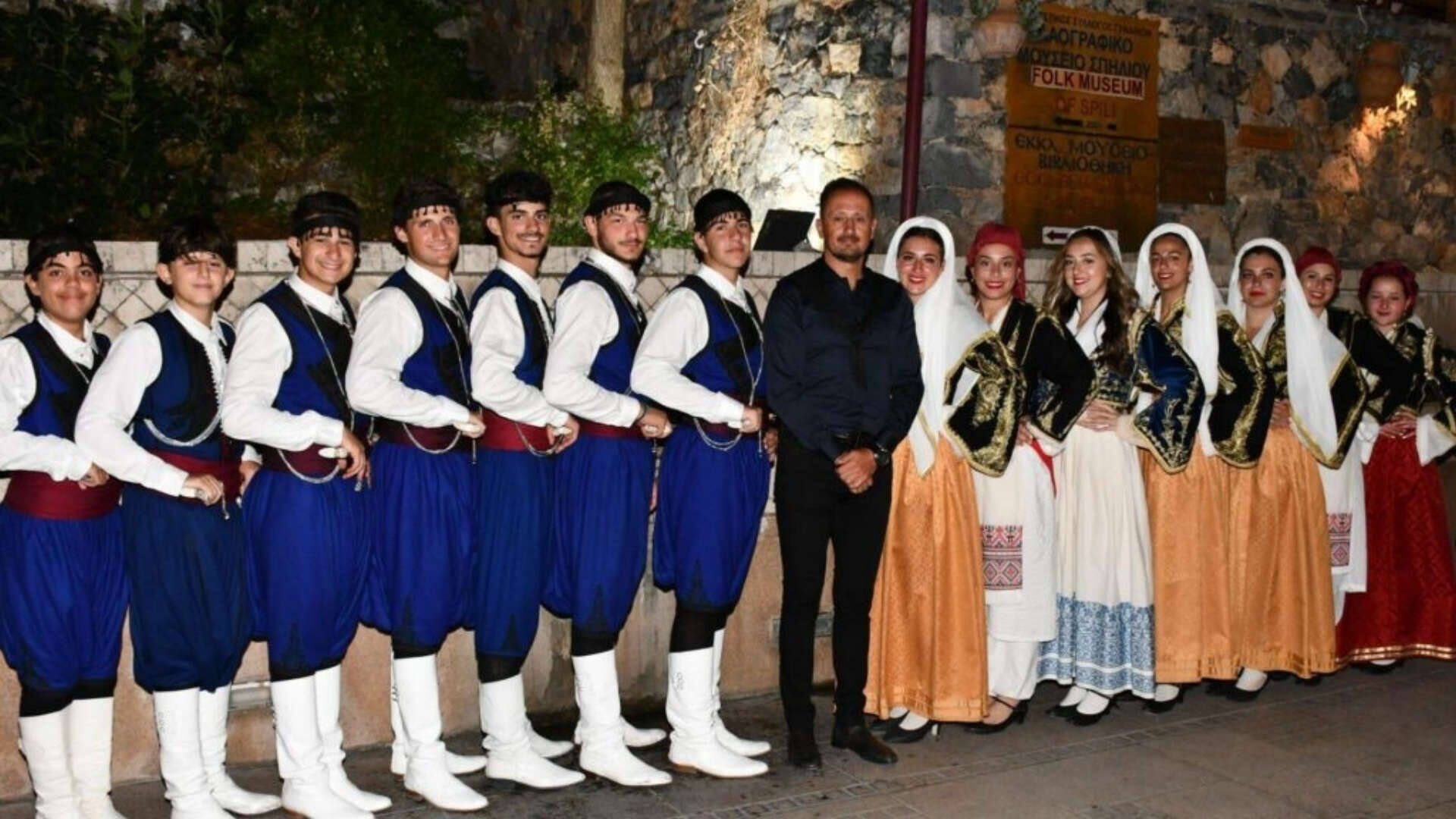
The ceremony will be followed by a traditional “Strata” procession through Chania’s Venetian Harbour, featuring cultural associations, dance groups and delegations from Cretan organisations around the world.
All keynote speeches and presentations will be open to the public with free admission.
The World Council of Cretans was established in 2003 and represents Cretan organisations from the United States, Australia and New Zealand, Europe, Athens, Macedonia, Piraeus and South Africa.
Its primary mission is to preserve and pass on the history and cultural heritage of Crete to younger generations and to the communities in which Cretans of the diaspora live.