Local utilities association VKU welcomed several elements of the reform proposal, including additional tender volumes for onshore wind energy, improvements for wind sites in southern Germany, the introduction of a cap on lease rates, the shift to direct marketing for rooftop solar installations, and caps on the output of new onshore wind and solar installations. “It is now a matter of shaping the legislation in the parliamentary process in a practical manner, so that investments can be implemented more quickly, efficiently and cost-effectively,” said deputy managing director Kai Lobo.
The Association of German Chambers of Commerce and Industry (DIHK) welcomed the grid access changes. “The proposed regulations create more accountability and thus speed up grid connections,” said Sebastian Bolay, who heads DIHK’s energy, environment and industry department. Through improved management, digital processes and more targeted grid integration, bottlenecks could be avoided at an earlier stage and investments planned more efficiently, he said. Bolay criticised the latest changes to earlier drafts, which would now still guarantee some compensation to new facilities that are being built in grid bottleneck areas. “In order to limit the rise in grid charges, facilities should be expanded primarily in areas where the necessary grid capacity is available,” he argued, also calling for more speed on grid expansion.
Environmental organisations criticised the reform proposals, arguing that they would create new hurdles to the necessary expansion of renewable energy in the country.
The legislative changes will create barriers to investments in renewables expansion at a time when heat waves and wildfires affecting large parts of Europe highlight the need of climate action, said environmental NGO umbrella organisation DNR. “The answer to heat waves, wildfires, and dependence on fossil fuels cannot be to slow down the expansion of renewable energy,” said the organisation’s president Kai Niebert. “Making Germany resilient requires consistently electrifying industry, heating, and transport using renewable energy,” he said, calling for changes to the draft laws in the parliamentary process.
NGO Germanwatch criticised the planned grid access reform. “Instead of establishing clear guidelines for the accelerated upgrading of grid areas with limited capacity and for the systematic digitalisation and standardisation of distribution grids, the government intends to restrict grid access for renewable energy sources as well as the right to compensation payments in areas with limited capacity,” said energy policy officer Henri Schmitz. Rather than achieving the desired cost reductions, this would increase investment risks and, consequently, drive up the costs of expanding renewable energy capacity, he said. He called on the government to present improved rules in the announced distribution grid package.
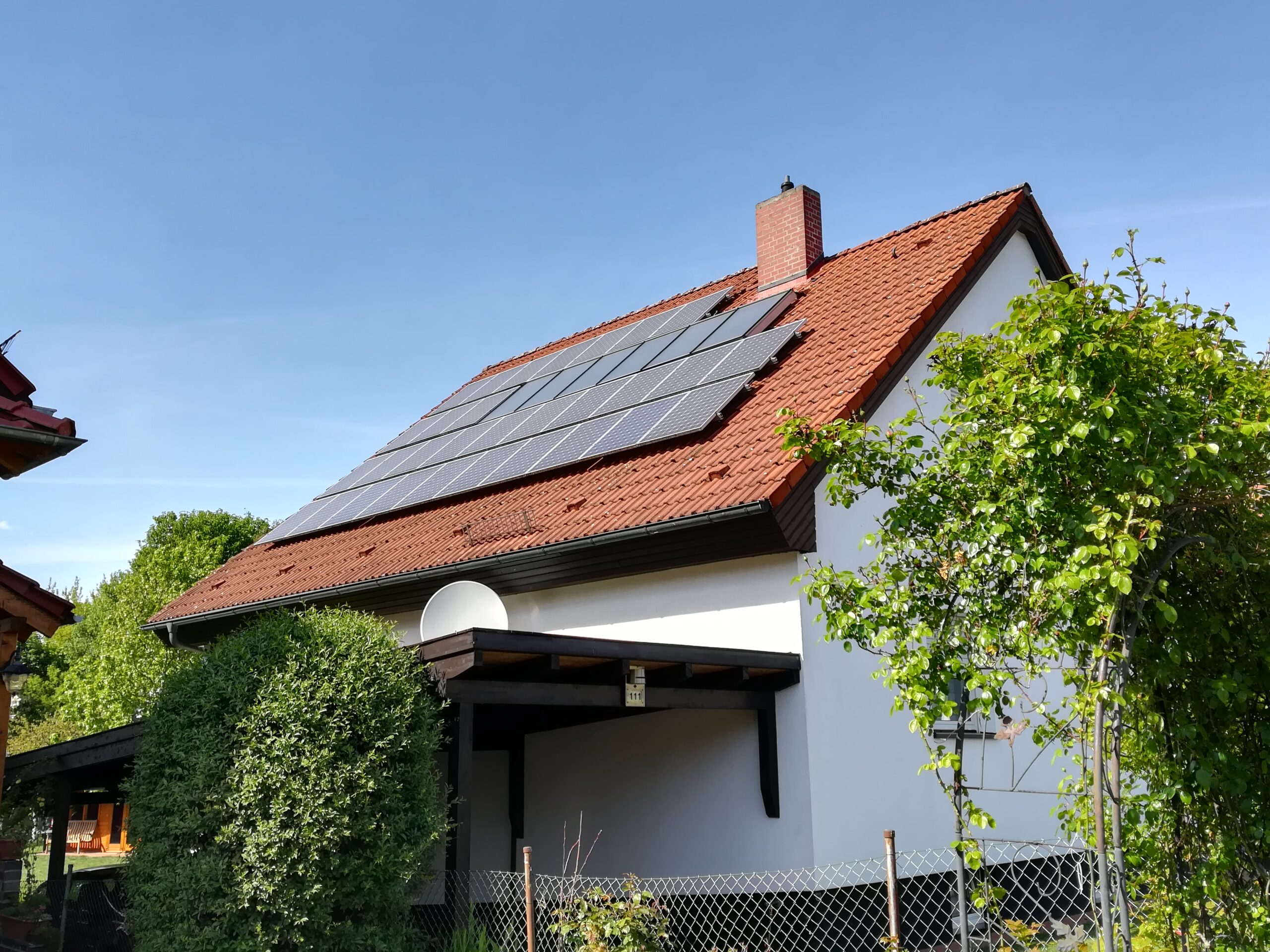
Schmitz also called for longer transition periods before ending support for small-scale solar PV, arguing that simple systems for private investors to sell their electricity directly on the market, and cheap smart meters are currently lacking. “Small solar power systems encourage participation in the energy transition and, for many households, are the first step towards heat pumps and electric cars,” he said. The abolition of the feed-in tariff for new installations – coupled with increasing requirements on operators – would make investing in small PV systems uneconomical in many cases, he added.