Political analyst Johannes Hillje said the impression among voters that decarbonisation amounts to just another cost factor contributes to the coalition government’s overall poor approval ratings. He argued that the approach taken by the conservatives and the SPD – watering down or postponing difficult decisions in climate policy to appease voters who resented the previous government’s push for decarbonisation – could ultimately undermine public acceptance.
This perhaps is illustrated best by the great difficulties in finding a clear transition path in the heating sector, where promises of slow change that are difficult to keep against the backdrop of climate commitments have led to great uncertainty among citizens and industry regarding the pace and costs of decarbonisation.
“The consensus in the government seems to be that climate action should not be framed as something people individually have to take part in,” Hillje said. Instead, Merz’s coalition relies on the narrative that markets, new technologies and other external factors are sufficient, he said. Despite thousands of excess deaths and billions in damages caused by this summer’s record heat and severe drought, which prompted calls for improving climate adaptation, “there is no reason to believe that the government will change this approach,” he added.
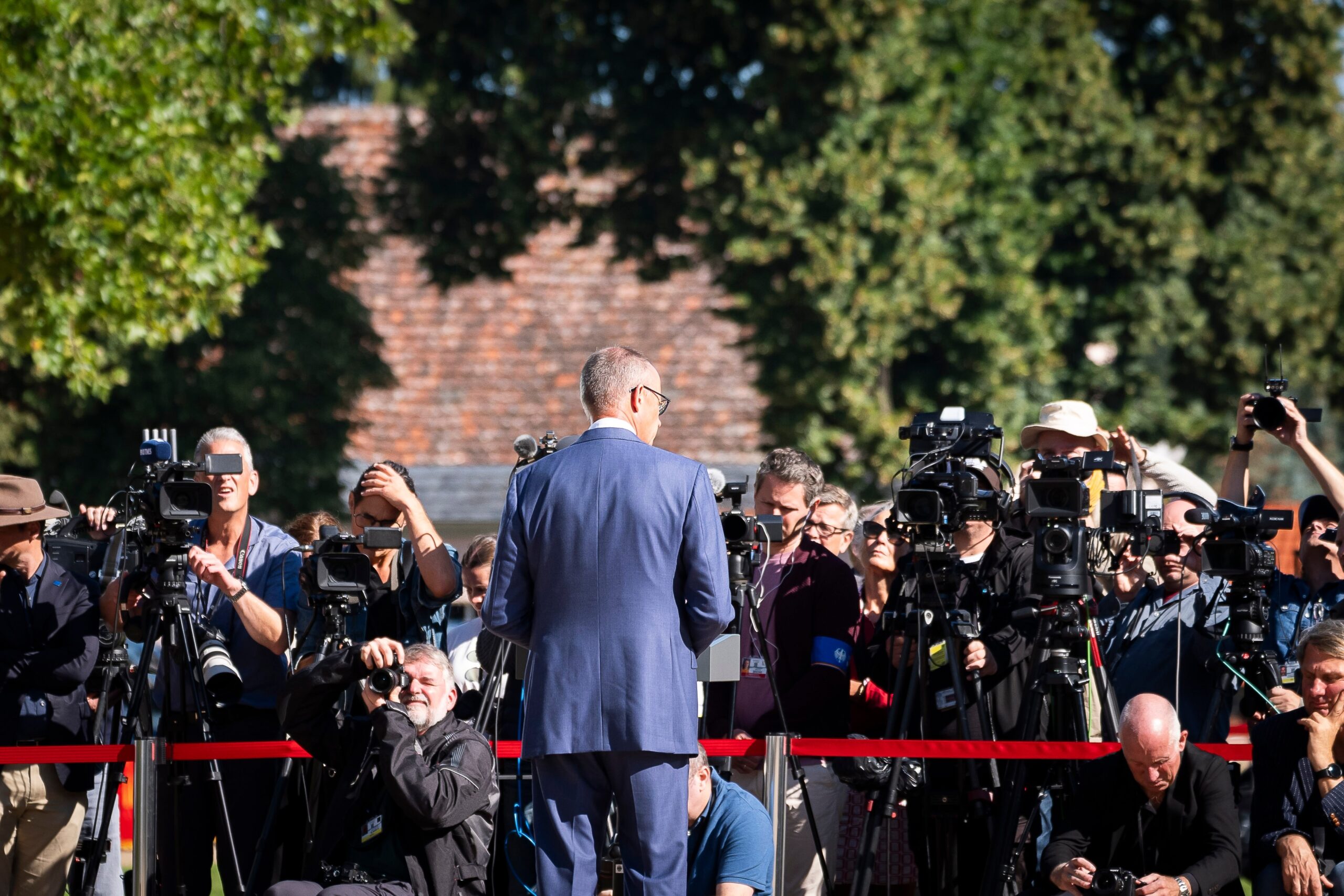
Merz addressed the concerns of many citizens affected by the extreme summer weather at a visit to the western Hürtgenwald region, where a large forest fire had led to major damages and evacuations. “This is climate change,” the chancellor said, acknowledging that “being prepared for this is a responsibility of the federal government, the federal states, and the local authorities.” At a meeting in late August, representatives of the government parties agreed to “examine” federal funding for climate adaptation. But Hillje said he does not expect the general stance on climate action and burden allocation to shift. “The government now might make a little more money available for adaptation projects, but I do not expect a true change of course on climate policy.”
The collective experience of extreme heat left a mark on the public debate, not least among core supporter groups of the CDU and the SPD, including for example industry workers, farmers and pensioners, he added. “It has become clear that climate change is also a major financial burden, which could open up a new avenue for the government in its bid to revive Germany’s struggling economy.”
“Populist parties offer a narrative in which no changes are necessary. Extreme weather events like this summer challenge this narrative,” Hillje said. Even the AfD has recognised that concerns about global warming are widespread – but it responds by admitting that adaptation is needed “while simultaneously claiming that preventive efforts are futile,” Hillje added.
Conveying that low-carbon technologies and more climate resilient infrastructure are investments that offer long-term benefits while also creating new jobs, spurring productivity and improving the quality of life would offer a more forward-looking narrative for the economy – and would also answer calls for responding to climate challenges, he argued.