While environmental groups welcomed the international impact of Germany’s plan, they criticised lagging domestic action by the current coalition government. “This once again highlights the glaring discrepancy between Germany’s international stance and its domestic actions,” said Fentje Jacobsen, co-head of the climate and energy department at environmental NGO WWF Germany. She said the plan merely reiterated existing targets without setting additional ambitions.
A spokesperson for the environment ministry confirmed at a press conference that the plan sets out well-known measures the country has previously decided on. Germany has a legally binding target of climate neutrality by 2045, and in the roadmap, the government argued that “reducing greenhouse gas emissions is inextricably linked to gradually transitioning away from fossil fuels” in energy. Burning fossil fuels caused over 83 percent of greenhouse gas emissions in Germany in 2024, it added.
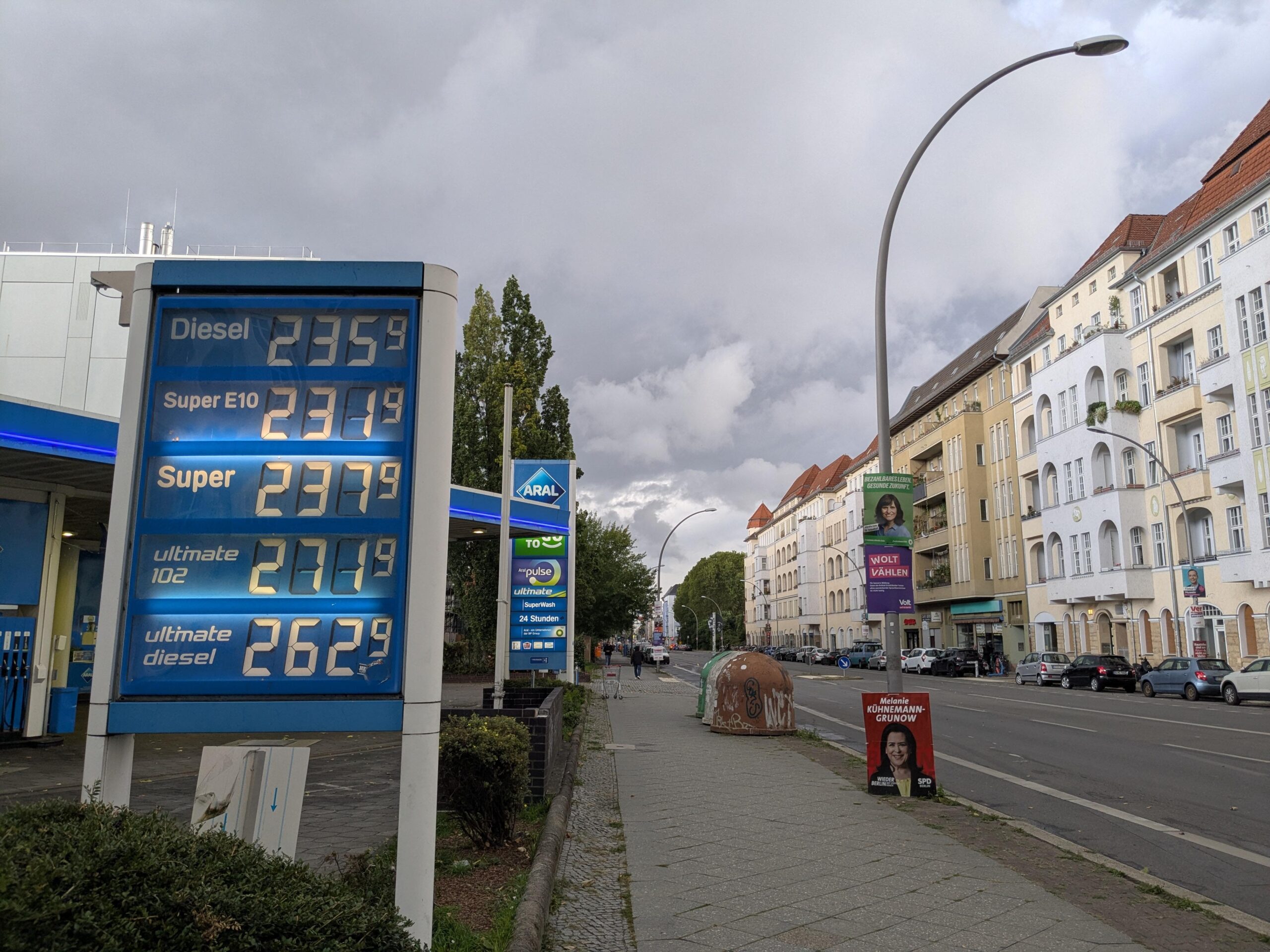
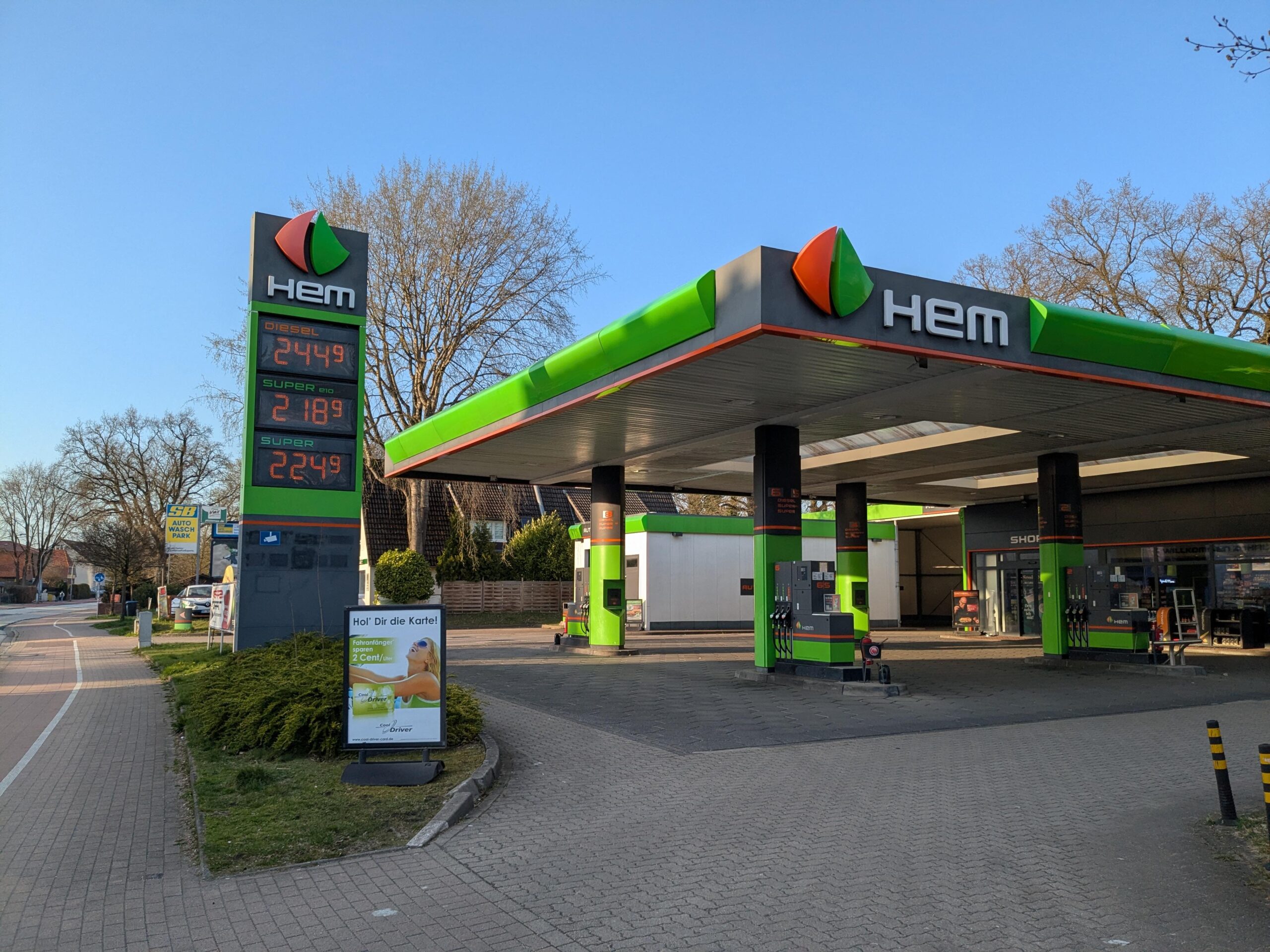
Germany’s energy consumption continues to rely massively on fossil fuels. In 2025, oil, coal and fossil gas made up more than three quarters of the energy the country used. Oil is mainly needed as a transport fuel, coal to generate electricity and heat, as well as in certain industries, and gas is used for heating, industry and electricity.
The renewables-based system of the future will require significantly less primary energy, as EVs, heat pumps and other electricity-based technologies are much more efficient. That means not every joule of energy from fossil fuels used today must be replaced with renewables. Wind power, solar PV, biomass and hydropower covered about 56 percent of Germany’s electricity consumption in 2025.
Germany also remains heavily dependent on imports. These cover around 98 percent of oil, 95 percent of fossil gas, and all hard coal that is consumed. Lignite is the only major domestic fossil fuel source. Germany’s net imports of fossil fuels cost about 76 billion euros in 2024, the government said.
Environment minister Carsten Schneider highlighted that the strategy was about more than climate protection. “The money we previously spent on importing oil and gas will, in future, be increasingly channelled into creating local value,” he said.