Germany aims to reach climate neutrality by 2045, and minister Schneider emphasised that the main focus continues to be avoiding and reducing greenhouse gas emissions. This will be achieved through a fossil fuel phase-out, the renewables build-out, improving energy efficiency, a functioning circular economy and the ramp-up of green hydrogen.
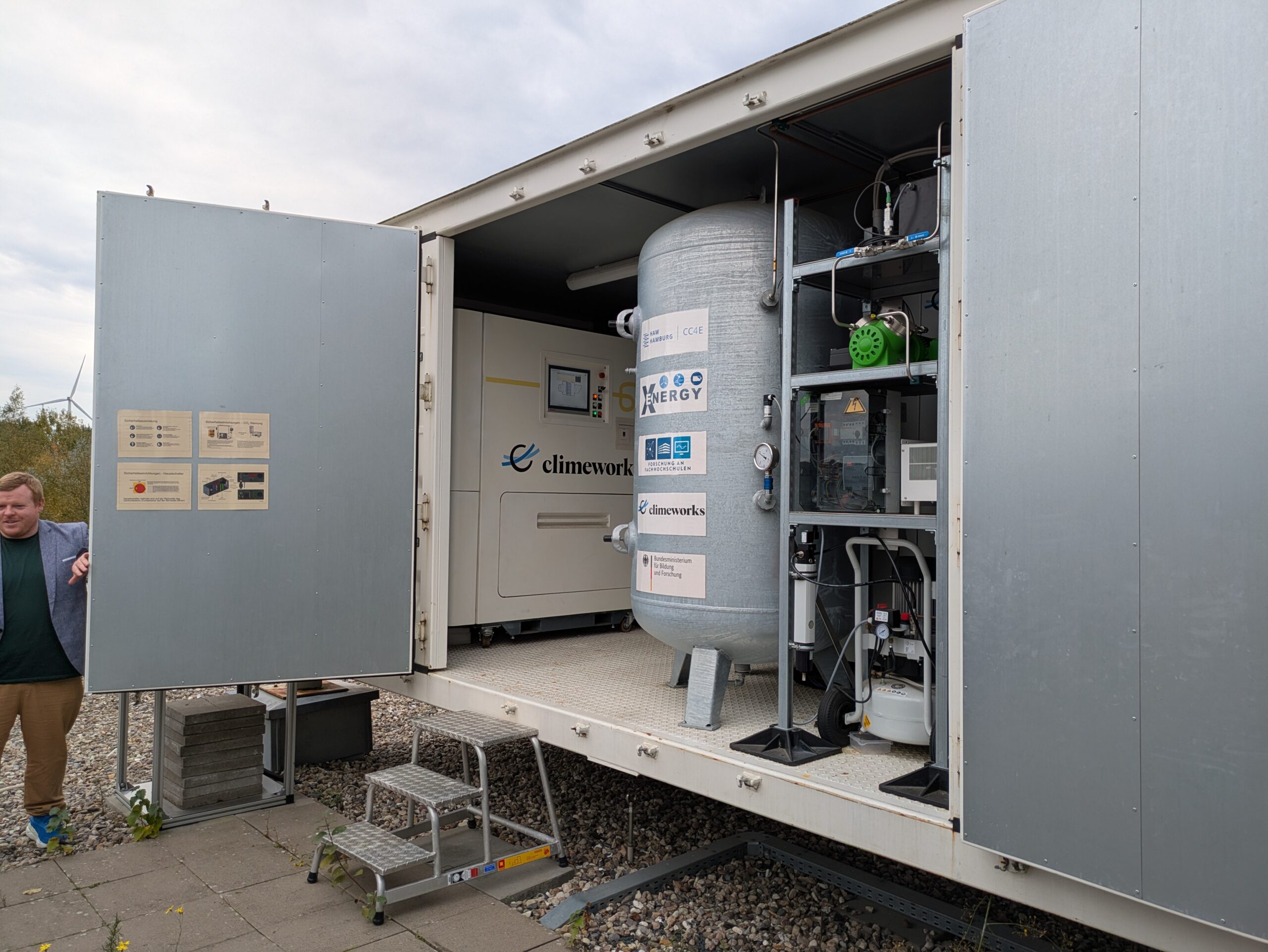
However, a relevant amount of emissions are considered hard or impossible to abate with technologies known today. This is true for certain industrial processes, such as cement production, but also waste incineration and agriculture – for example methane emissions from cattle. Remaining greenhouse gas emissions must be balanced out either through natural sinks like forests or by technological means, such as direct air capture of CO2 and permanent storage underground (DACCS).
Germany’s natural sinks will not be sufficient, especially if the country wants to capture and store more CO2 than its total greenhouse gas emissions. The country’s land use and land use change sector (LULUCF) has even been a net emitter of greenhouse gases, driven by emissions from drained peatland.