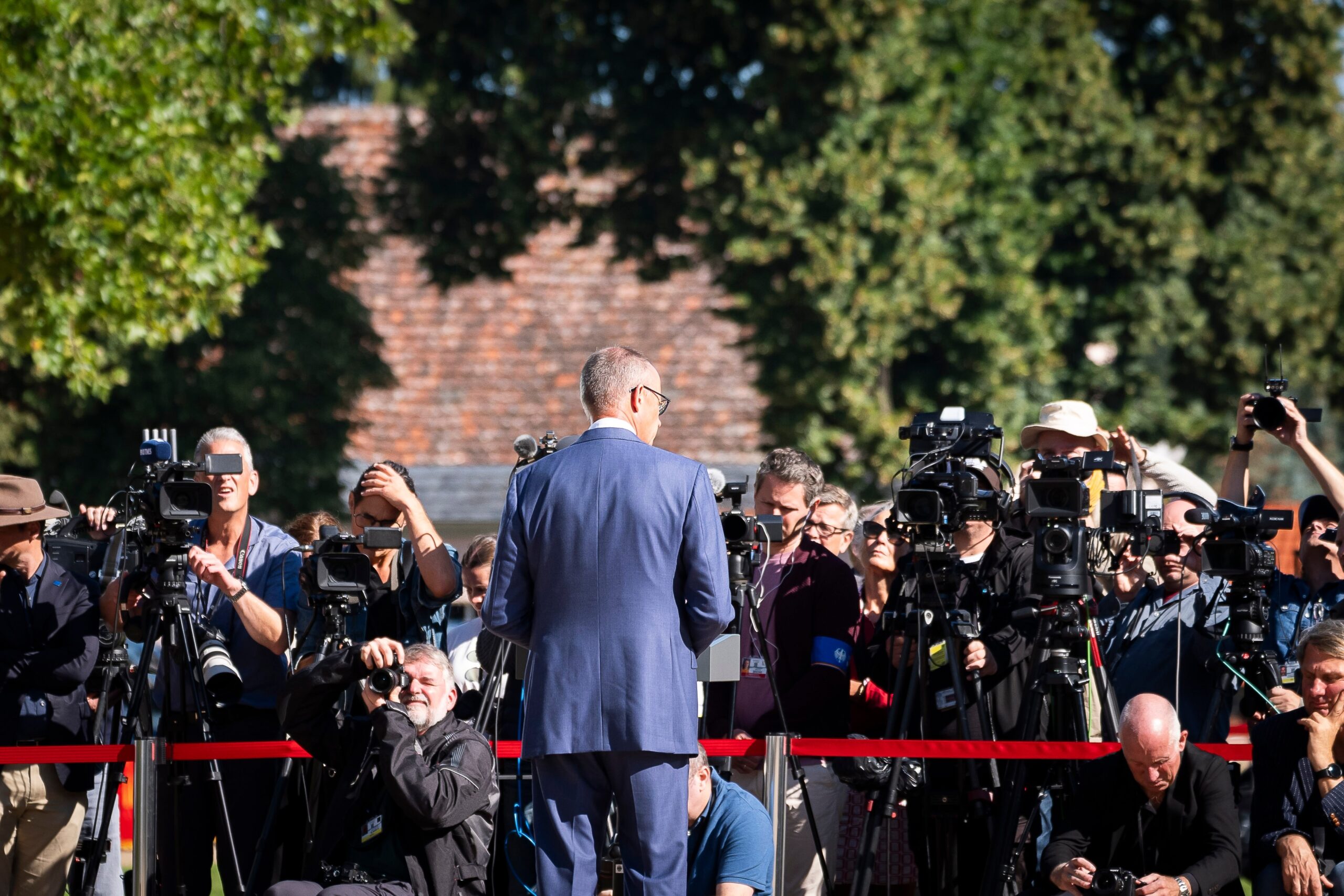
“With this programme, I want to give climate protection a new boost, move the issue away from polarisation and, at the same time, help the economy, which is suffering from high oil and gas prices,” environment minister Carsten Schneider said presenting the plans.
The programme, which spells out 90 measures across all economic sectors, relies primarily on financial incentives rather than regulatory restrictions to drive emission reductions. The government estimates the measures will save over 27 million tonnes of CO2 by 2030, and reduce fossil gas import costs by three billion euros, based on 2025 average prices.
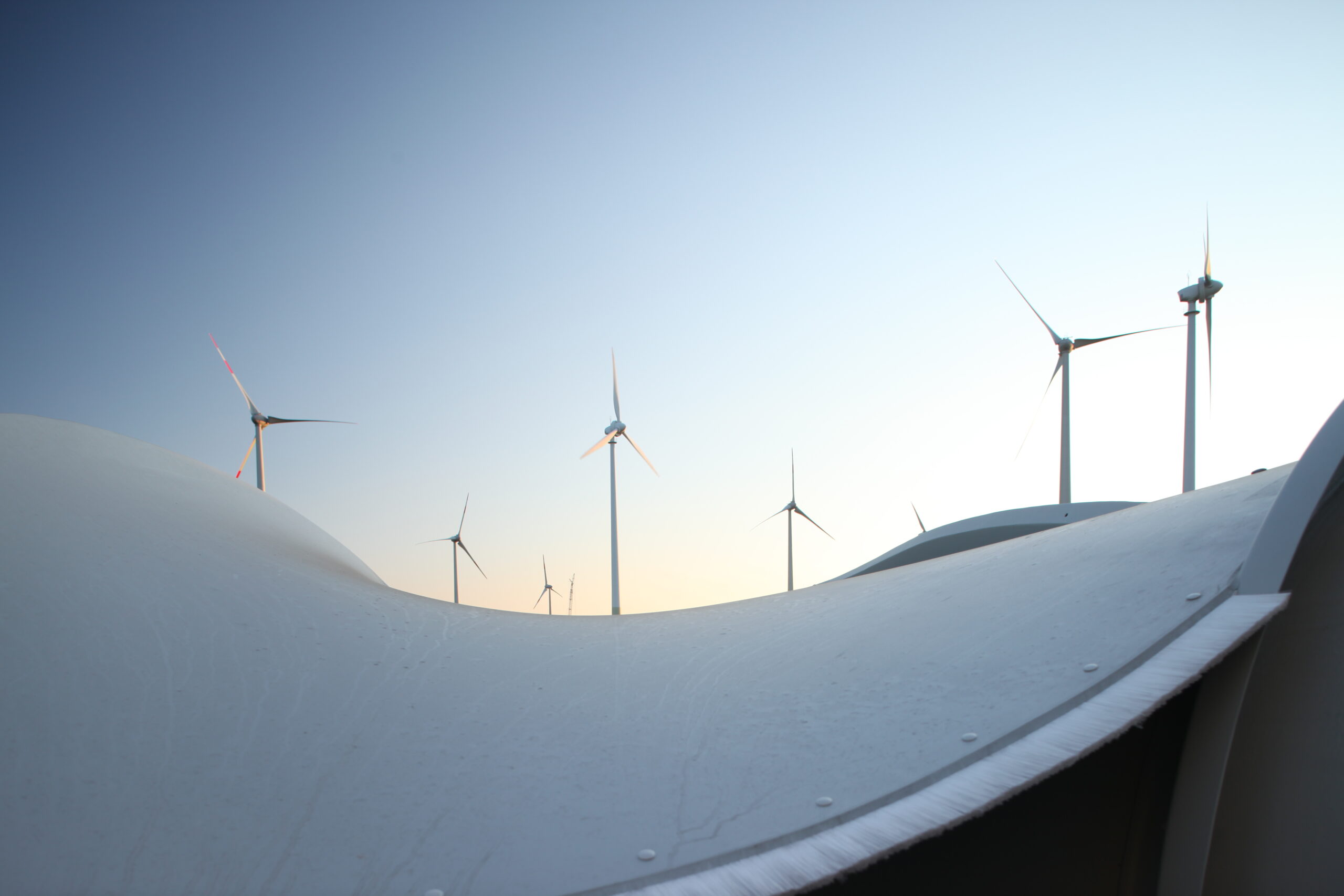
Key proposals include tendering an additional 12 gigawatts of onshore wind capacity by 2030 and expanding industrial subsidy programmes for process heat decarbonisations and electrification technologies. In the transport sector, the government is betting on a socially-tiered subsidy programme to support the purchase of 800,000 electric vehicles (EVs), the continued funding of the Germany-wide flat-rate public transport ticket, and emissions rules for transport fuels. [For a detailed breakdown of proposed measures, see the Factsheet “Q&A: Germany’s Climate Action Programme 2026”]
The additional auctions for onshore wind came as a surprise, as the government’s plans until now have indicated a lowering of ambition on renewables.
“Contrary to what you hear in the public debate, we are committed to significantly expanding renewable energy,” minister Schneider said, adding that the new tenders for onshore wind in the package were “the most important measure in the short term”.
Renewables such as wind and solar power are “domestic, secure energy sources” that will make Germany independent of oil and gas imports from abroad, he added. “Given the geopolitical situation we find ourselves in, we must do everything we can to become independent. We will achieve independence by expanding renewable energy.”
NGOs criticised the government for relying on outdated data, for ignoring recent policy rollbacks such as changes to heating decarbonisation laws, and for its limited impact on the transport sector, which has consistently missed emission reduction goals. “The CO2 reductions required by 2030 are tight and based on optimistic estimates,” said Greenpeace Germany head Martin Kaiser.
Measures will largely be funded through a special climate and transformation fund (7.6 billion euros between 2027 and 2030), with an additional 400 million coming from the special infrastructure and climate neutrality fund.