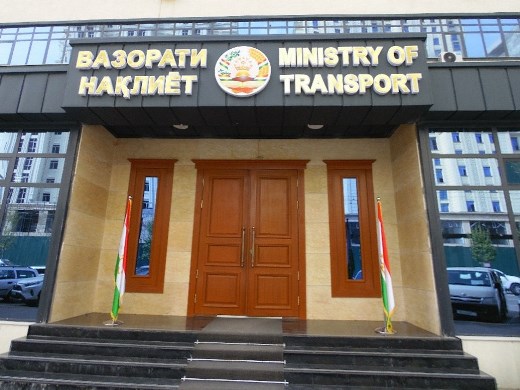
Tajikistan’s Ministry of Transport plans to introduce a digital system for tracking the allocation and use of financial resources, fuel, spare parts and other supplies.
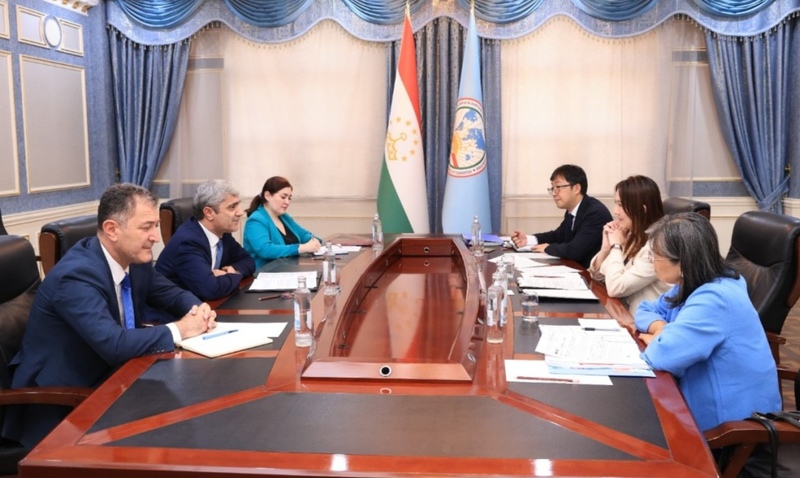
The initiative was announced at an expanded meeting of the ministry’s board reviewing its work in the first half of the year. The meeting was chaired by Transport Minister Azim Ibrohim.
The ministry’s Finance and Accounting Department has been instructed to introduce electronic distribution and monitoring of funds, fuel and lubricants, spare parts and other resources during the second half of the year.
The state-owned Center for Digitalization of the Transport Sector will develop and implement the new system, known as Kartoteka (card file). It will also train employees of road and transport institutions and enterprises to use the platform.
How Kartoteka will work
Kartoteka will create a centralized digital database to track the movement of resources — from the allocation of funds to the use and write-off of fuel, spare parts and other supplies.
The ministry expects the system to improve transparency in spending, strengthen oversight of budget funds and reduce the risk of theft and misuse of resources.
The platform is expected to cover not only the ministry’s central office but also its subordinate institutions, enterprises and organizations throughout the road and transport sectors.
Kartoteka will be introduced in stages. Before its full rollout, the system will undergo local testing, individual modules will be configured, employees will be trained and integration with other ministry information systems will be completed.
Other digital systems under development
Kartoteka is part of a broader effort to digitalize Tajikistan’s transport sector. The ministry has already begun introducing electronic waybills and other digital services for transport operators.
It has identified 30 areas for digitalization, with 13 modules currently at various stages of development and implementation.
These include route-planning systems, vehicle monitoring using GPS, GLONASS and BeiDou, dynamic and stationary vehicle weighing, digital road passports and electronic document management.
Other projects include a unified transport management platform, licensing and certification systems, electronic exchange of international transport permits, a digital map of road assets and engineering structures, traffic monitoring and a system for recording transport violations.