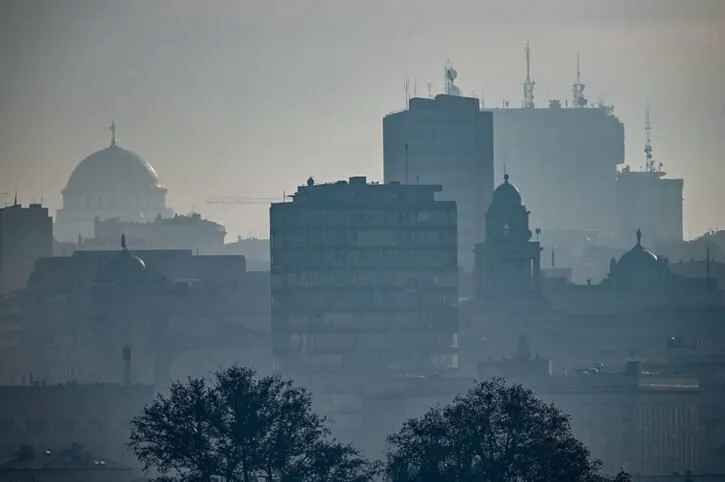
The Law on Integrated Pollution Prevention and Control, which was recently adopted, should improve the protection system and align domestic regulations with European Union standards. It introduces stricter control of industrial pollution and greater application of modern technologies to reduce harmful emissions.
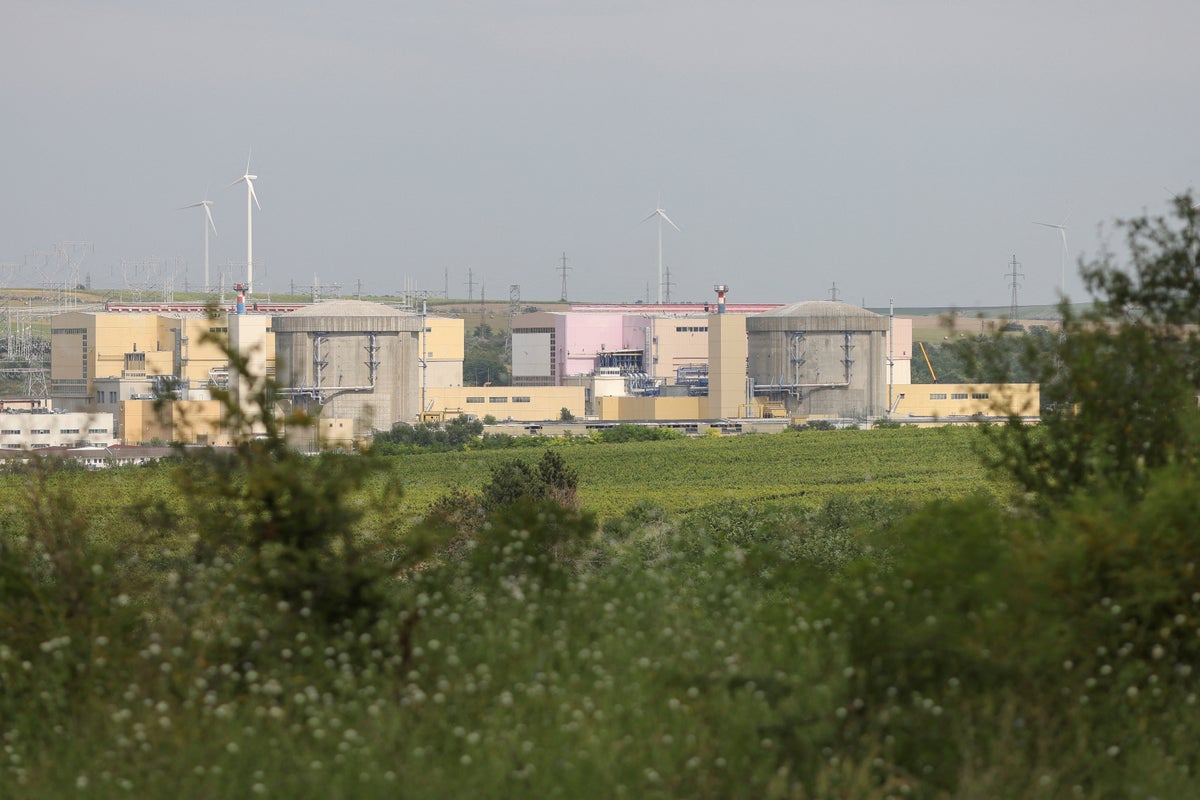
The new law should enable large industrial plants, such as cement factories, rubber manufacturers, and combustion facilities, to obtain integrated operating permits. These permits will clearly prescribe the limits of polluting substances they are permitted to discharge into the air, water, and soil.
Igor Jezdimirović from the Environmental Engineering Group stated to Newsmax Balkans that large facilities need clear information on emission limits allowed into the environment, combined into a single, integrated permit.
“Although the deadline for plants to obtain such permits has been pushed back on several occasions, capacity did not allow for it, and the procedures lasted quite a long time. We hope that this law will finally resolve that issue,” he emphasised.
Many plants have already submitted applications for an integrated permit, Jezdimirović points out, adding that although they are awaiting permits, there will be no interruption to their operations.
Pavkov: Digitalisation in the application process
The goal of the new legal solutions is to issue permits more quickly, with clearer operating conditions and more effective monitoring of compliance.
The Minister of Environmental Protection, Sara Pavkov, highlighted that digitalisation is being introduced to the application and issuance process for these permits, meaning faster processing, less administrative burden, and greater efficiency.
“A central register and database of issued permits managed by the Ministry of Environmental Protection is also being established to ensure better control over the entire system. A system of consultations and information exchange is also being regulated for instances where plant operations could have a significant transboundary impact. Pollution respects no administrative borders,” the minister noted.
‘When the environment is clean, that means there are enough inspectors’
Pavkov highlights that in the first six months of this year, the Ministry filed more than a thousand misdemeanor charges for violations of environmental protection regulations.
Nine charges for commercial offences were also submitted, alongside two criminal charges, and 46 operational bans were issued – all achieved with just 60 national inspectors.
Jezdimirović stresses that additional inspectors are always needed.
“When the environment is clean and there is no pollution in it, that is when you will know there are enough inspectors and that the system is working. When we are in a situation where permissible concentrations are constantly exceeded and there is rubbish all around, that shows either that there are not enough inspectors, or that we have selective enforcement of the law, or that regardless of how many there are, they are unable to carry out their task,” our contributor emphasised.
The new law aligns domestic regulations with European standards. This means that the same rules regarding maximum permitted emissions of pollutants will apply in Serbia as well, leaving both the state and industry with the task of adapting existing technologies and production processes to meet those standards.
(Newsmax Balkans, 24.07.2026)
https://newsmaxbalkans.com/vesti/drustvo/60328/novi-zakon-donosi-strozu-kontrolu-zagadenja-industrije/vest