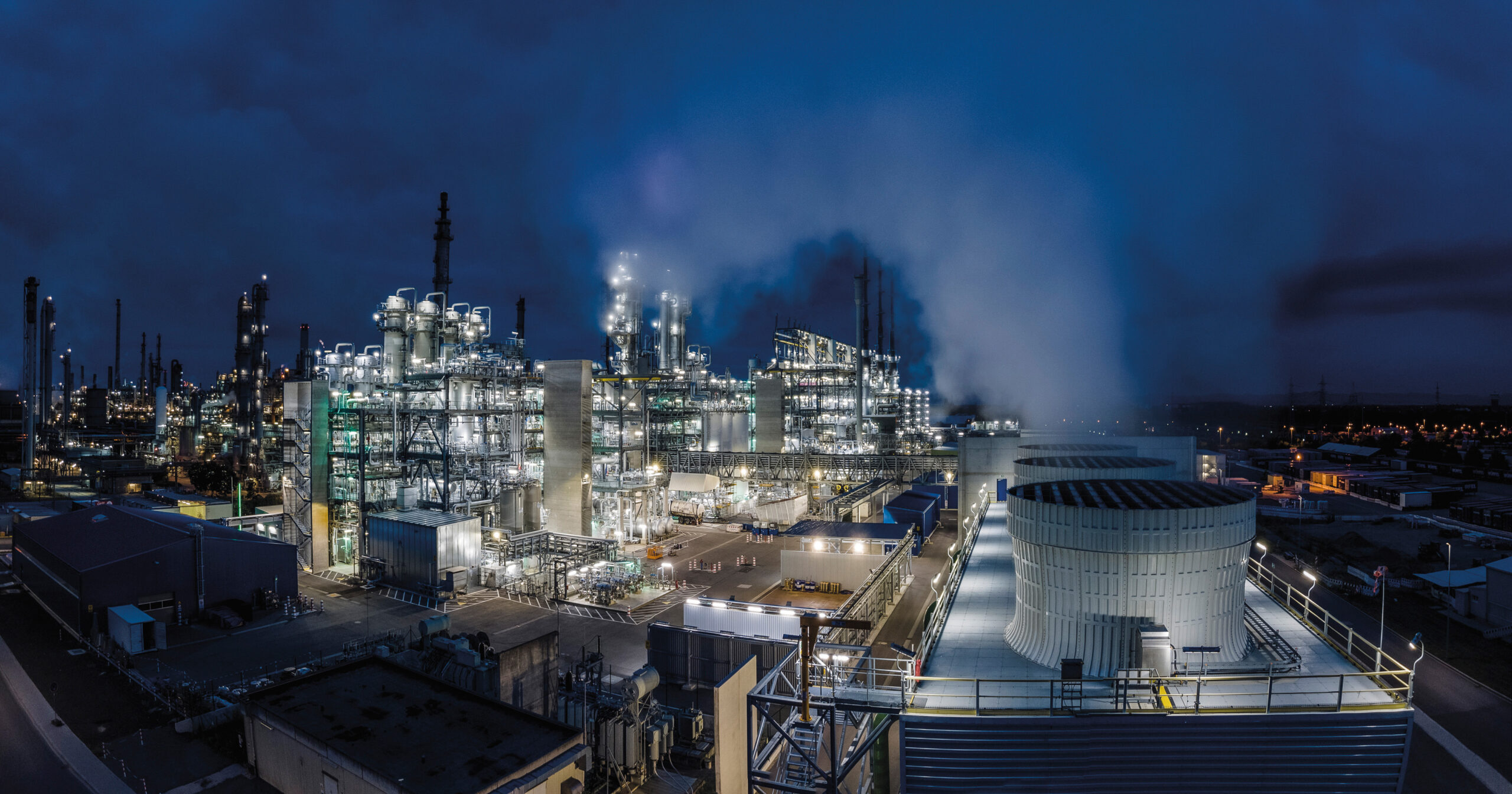
An industrial gas producer with an annual consumption of 550 gigawatt hours, for example, could receive about eleven million euros from the state, the ministry said.
It added that combining the scheme with the existing power price compensation scheme that shields companies from carbon pricing would not be possible.
The German Chemicals Industry Association (VCI) welcomed the scheme’s introduction, but called it “a small auxiliary building block” that would not provide enough relief alone to have a meaningful impact. “The conditions set by the EU are so strict that companies will see little of that money,” said VCI energy expert Matthias Belitz.
The EU limits state aid to guarantee fair competition. However, to aid the process of state aid approval and allow countries to support companies in international competition in their efforts to move away from fossil fuels, the European Commission in June 2025 introduced specific conditions. Among these are guardrails for support for electricity costs for energy-intensive users, for example limiting it to at most half of a company’s annual electricity consumption. It also prescribes that companies must invest at least 50 percent of the aid in new clean assets, such as renewable energy generation capacity or energy efficiency improvements.
VCI said the scheme would lower electricity costs by less than ten percent for most companies, as taxes, levies and fees remain payable in full. “This alone will not solve our energy cost problem,” Belitz argued, adding that combining the industry electricity price with the carbon price compensation scheme should be made possible.
He added the industry electricity price could only be a first step on a path to bring down energy system costs more broadly. “The ideas of economy minister Reiche for lowering system costs go in the right direction.”
The German Trade Union Association (DGB) said the industry electricity price would provide greater planning security for companies at least until the end of 2028, but called on the German government and the European Commission to prepare an extension of the scheme to ten years.
DGB board member Stefan Körzell also called for allowing a combination of the industry electricity price with the carbon price compensation scheme. “This will strengthen value creation and jobs at an economically difficult time and support the climate neutral transformation in Germany,” Körzell said.