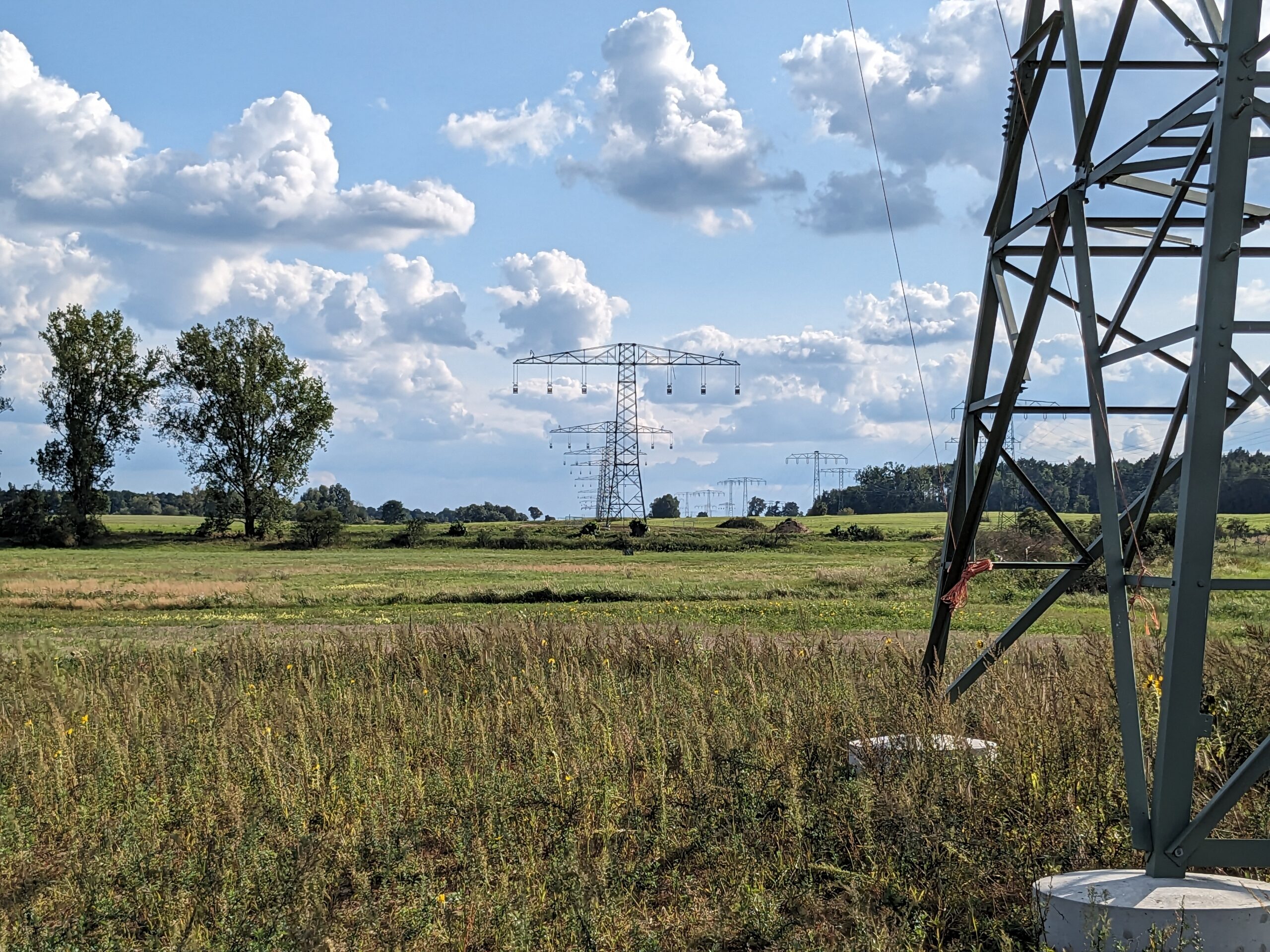
Germany’s government aims to better align the expansion of wind and solar power installations, power storage, and large electricity consumers with the expansion of grids.
“New power plants should be built where the electricity they generate can be transported and used,” an economy ministry spokesperson told CLEW. It was “no longer appropriate” to guarantee the purchase of electricity from new plants without taking into account the actual generation and grid structure at the local level, the spokesperson added.
With its proposals, the economy ministry aims to set incentives so that more renewable electricity is used instead of curtailed. It aims to achieve this by coordinating renewables and grid expansion, arguing that, to date, there is no incentive to account for existing grid bottlenecks when deciding on a project’s location or scope.
The ministry argued, therefore, that future wind and solar power projects should be built in areas where fewer grid reinforcements are necessary; that they add storage facilities on site to reduce bottlenecks; and that they “take responsibility” for the costs associated with necessary grid expansions – all of which would, in turn, bring electricity costs down for consumers.
Additionally, it plans to enable grid operators to set criteria to prioritise or deprioritise connection requests, differentiating between speculative and serious projects, especially in relation to large-scale battery storage systems. Grid operators have received a “flood of applications” in recent years, with connection requests far surpassing Germany’s total electricity generation capacity – though many projects are speculative.
The expansion of renewables has made Germany’s electricity mix the cleanest it has ever been and has significantly reduced greenhouse gas emissions.