Just days before Earth Day last April, my 3-year-old son, Oliver, said the most alarming thing as we walked down the stairs. “I don’t want to leave Earth.” I stopped mid-step. Was he thinking about death? Climate change? He’s only 3!
“What do you mean, love?” I asked.
“I don’t know, Mama, but I don’t want to leave the planet with blue and white swirls,” he said, twirling his finger in the air like wind.
“We don’t have to go anywhere. Earth is where we live,” I said.
Oliver has recently become fascinated with space. Yet his words had a clairvoyant feel, reaching into a distant future. At 3, he has no idea that scientists are already considering whether other planets might be viable for human life.
I couldn’t stop thinking about the grief his words held. As a palliative care physician at Dana-Farber Cancer Institute, I care for people with serious illness. I have observed time and again that we humans often find it easier to turn toward imagined futures and hopeful possibilities, rather than confront the hardest truths of the present: aging, illness, death, and now, the climate crisis.
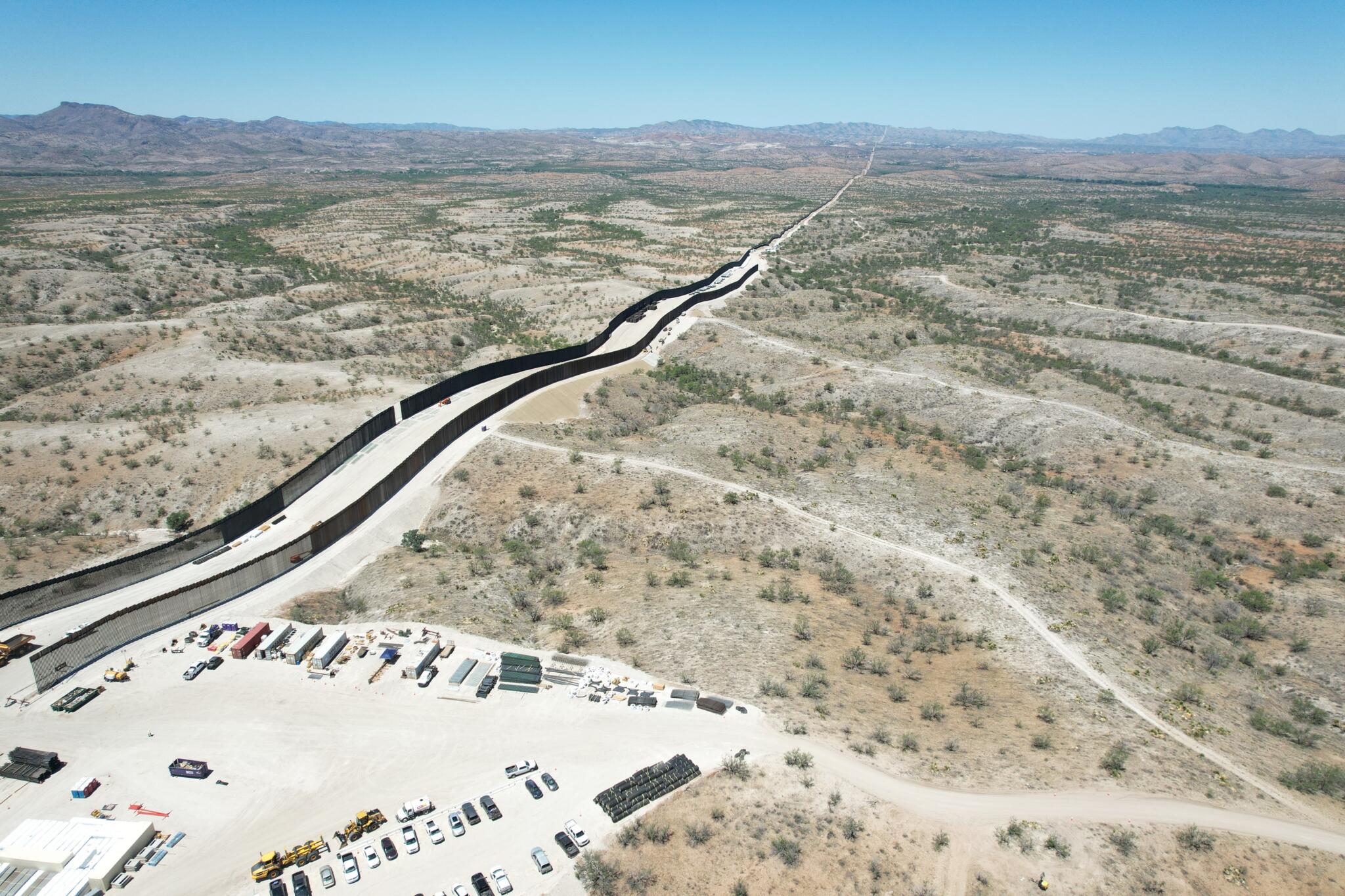
We are already living with symptoms of a warming planet: stronger storms, more severe wildfires and even the collapse of vital ocean currents. And yet, so many of us feel paralyzed, unsure of what to do.
Avoiding the reality of climate change does not stop time from passing or prevent future losses.
In my work, I have conversations with patients and their families about what matters most as they navigate illness. A patient might be weighing whether to pursue further treatment despite significant side effects and only a small chance of benefit, or to forgo additional treatment altogether, which can be understandably paralyzing. By acknowledging their reality and often their grief, many patients can identify what matters most within a painful and uncertain circumstance, whether it’s comfort, time with family, or being at a location they love, like the ocean.
While this may seem unrelated to the climate crisis, I see striking parallels.
The climate crisis can be understood as a serious illness, one that affects the planet and every one of us. And, as such, the numbness or avoidance among many of us who care about the impact of Earth’s warming climate, is similar to the ambivalence and static grief that can take hold after a serious medical diagnosis.
My colleagues and I use a structured approach to guide these difficult conversations, known as “serious illness communication.” This is a technique supported by data-driven frameworks from organizations like Ariadne Labs and VITALtalk. At the core, these discussions focus on what matters most by clarifying patients’ and families’ understanding, sharing prognostic information, and exploring goals and values through questions such as “What does a good day look like?” “Given the situation, what’s most important to you?” “Looking ahead, what worries do you have?” and “What gives you strength as you think about the future?” The goal is to start these conversations early and build on them over time.
This type of communication, and palliative care in general, has not always been widely embraced. At a broad level, Western medical culture has conventionally been oriented around saving, curing and prolonging survival. Consequently, conversations that explore a patient’s priorities in the face of serious or progressive illness — as well as accepting the need for palliative care itself — can leave clinicians feeling as though they have failed. And while many might assume that delving into tough topics only heightens anxiety, studies show the opposite: These conversations can durably reduce anxiety and improve quality of life.
I believe the same would hold once we really look face-to-face at the climate crisis. In my own work, these difficult conversations are often among the most meaningful ways I help patients and families.
Much like grappling with a life-limiting diagnosis, so many of us feel frozen somewhere between despair and action about climate change. While the life we know today may not be possible for future generations (and we must grieve that loss), we must also appreciate that a spectrum of possibilities still exists, and that meaningful decisions remain ours to make. While there is no easy solution for such a complex issue, using a serious illness communication framework in the setting of climate change can breathe air into this liminal space.
Collective action demands we inch from stasis to empowerment.
We need to sit in community with the questions that so many of my patients face: What are we willing to go through for the sake of more time on a healthy planet? What does quality of life mean to us, and how might our ability to access it change as the planet warms? What are our priorities, and what are we willing to change or advocate for? What legacy do we want to leave behind?
Collective action demands we inch from stasis to empowerment. Together, we can vote for elected officials committed to reducing carbon emissions and accelerating the clean energy transition. Many of us can make decisions about the food we eat, where we invest, and how we spend our money.
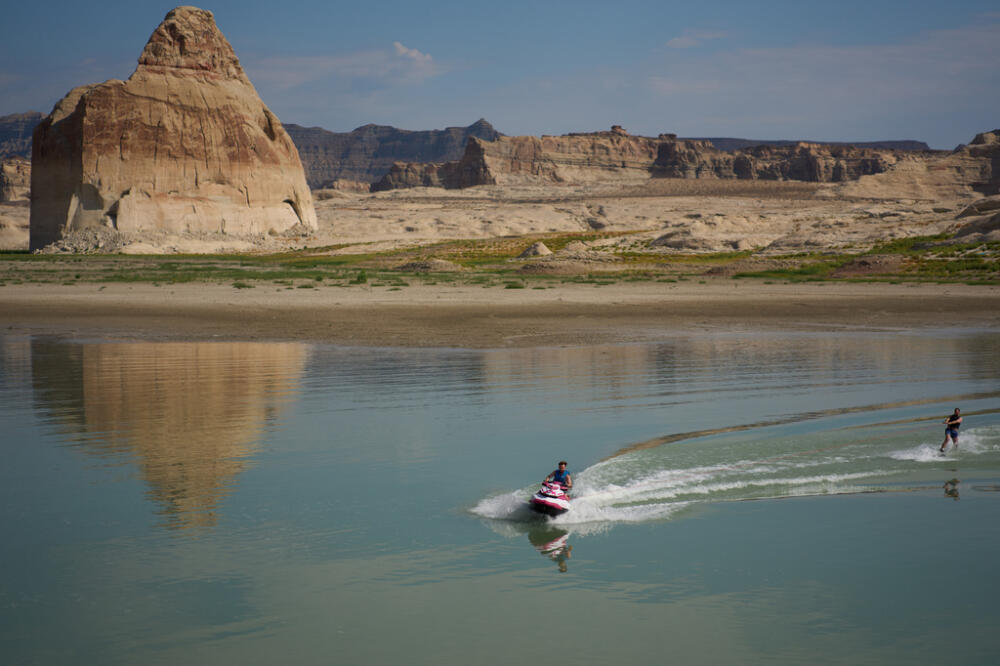
I don’t want my son to feel he needs to leave this beautiful planet, but I do worry about the future and his ability to access the same wild magnificence the world has offered me. Would it be acceptable to me if Oliver were not able, one day, to hike New Hampshire’s White Mountains or float in the Atlantic surf? What would I be willing to sacrifice so that, if he has children, there might still be frogs to search for in creek beds?
Just as with a terminal diagnosis, avoiding the reality of climate change does not stop time from passing or prevent future losses. We can hold onto the radical possibility of hope for what is still imaginable, while also acknowledging that some losses are inevitable. By borrowing from a communication model designed for life’s most vulnerable moments, we can begin to find a way to place these topics on the table. If not for us, then for those who come after us, who “Don’t want to leave the planet with blue and white swirls.”