EVERETT — A federal judge has dismissed a lawsuit alleging the city of Everett, Snohomish County and multiple major railroad operators were responsible for a woman’s death near a popular local park.
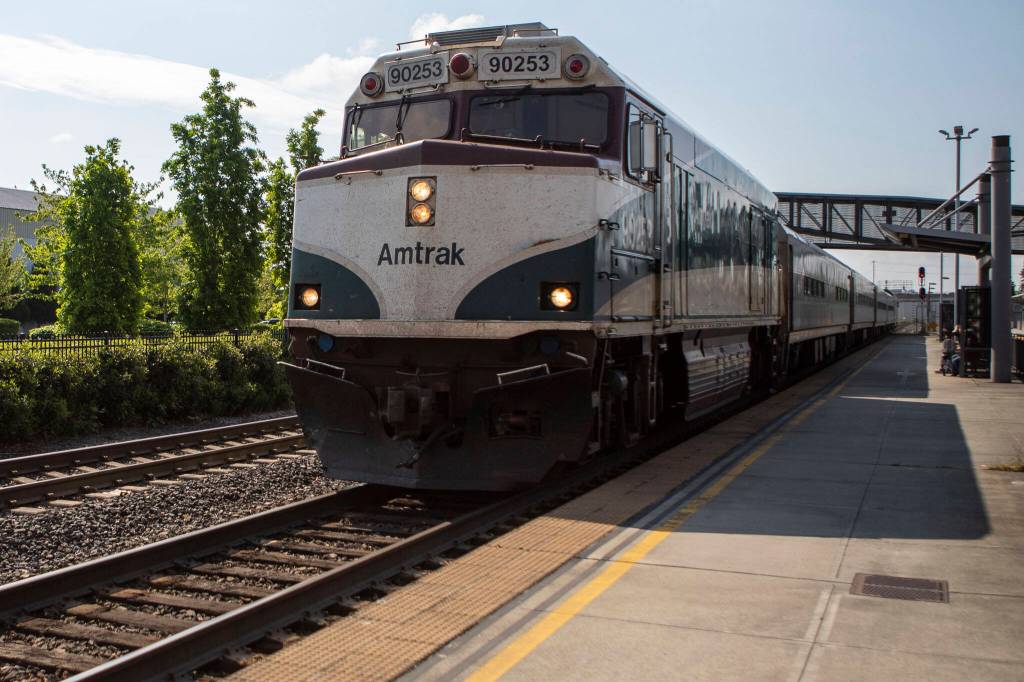
Anna Baisheva, 35, was killed in July 2024 when she was hit by an Amtrak train while crossing tracks that separate the waterfront from Everett’s Harborview Park, according to court documents and reporting from the time.
Last year, attorneys for Baisheva’s estate filed a wrongful death lawsuit claiming the city and county, along with Burlington Northern Santa Fe and Amtrak, all neglected a duty of care to protect the woman’s life and safety, the initial complaint said.
According to the lawsuit, Baisheva and her husband were fishing along the county-owned waterfront after parking their car at the city park. When it came time to leave, the lawsuit alleged a 2-mile line of freight containers blocked the rail tracks from the area of Howarth Park through Harborview Park to Edgewater Park, court documents said.
Attorneys claimed Baisheva and her husband had no choice but to climb through the containers to cross to the other side of the track. The woman was reportedly ahead of her husband when she exited the cargo containers and was hit by a passing Amtrak train, court documents said. She died of blunt force injuries.
Attorneys representing Baisheva’s estate said each of the four defendants should have known about the dangerous conditions posed by the tracks near the park and failed to remedy the known hazards with proper safety mechanisms or reasonable public access, court documents said.
Late last month, U.S. District Court Judge Ricardo Martinez granted a motion for summary judgement on behalf of the defendants, effectively dismissing the case.
“Our thoughts are with those impacted by this accident,” a city of Everett spokesperson said in an email on Friday. “We also want to remind our community of the importance of rail safety. Always use designated crossings, pedestrian bridges and marked pathways when it’s necessary to travel near or across railroad tracks.”
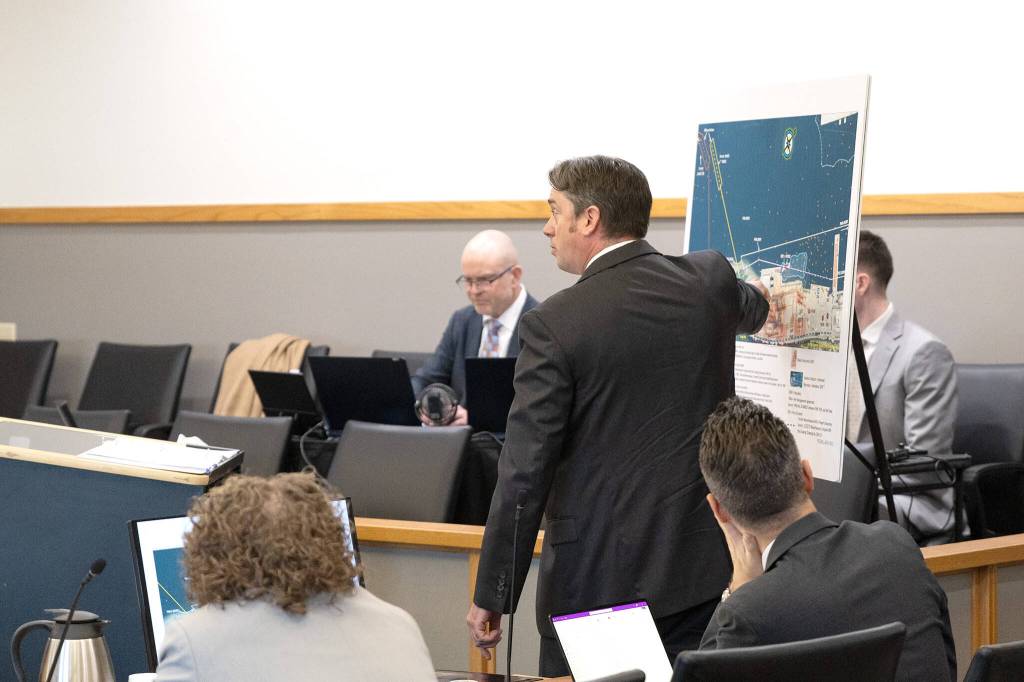
Lawyers with the city and county argued that neither had ownership over the land where Baisheva was killed, while the plaintiff contended their responsibility went beyond the locally-owned land, court documents said.
“The County believes the court reached the correct conclusion, since the location where the accident occurred was not on property owned or controlled by the County,” Geoff Enns, a deputy prosecuting attorney in the civil division of Snohomish County Prosecutor’s Office, said in an email on Monday. “There are several local areas that have legal public access to the Puget Sound shoreline via designated pedestrian bridges or underpasses and members of the public should avoid trespassing across railroad tracks.”
Multiple attempts to reach the attorneys for Baisheva’s estate were not returned as of this article’s publication.
In siding with the municipalities, the judge said the land was not developed in a way that invited people to use it and safer options were available to cross the tracks.
“The shoreline does not require crossing the tracks, as the beach is accessible via a pedestrian bridge from a different park, which the City explicitly notes on its website,” Martinez wrote. “… The Court finds that the City and County did not owe a duty to protect Baisheva from the hazard of the railroad tracks, and there is no genuine issue of material fact as to this duty.”
Instead, the judge ruled that Baisheva and her husband assumed risks ahead of the incident, including being aware that trains were coming and going on the same tracks on the day of the deadly incident, court documents said.
“Plaintiff’s arguments that ‘prolific public use for decades’ and that ‘this area did not appear dangerous to people walking to and from the beach’ are inapposite, as this does not dissuade from Baisheva’s knowledge that active trains were consistently running through the area on those tracks,” Martinez wrote.
The judge’s decision also dismissed the litigation against BNSF and Amtrak, court documents said.
By climbing on the train to cross the tracks, the judge said the woman nullified any claims of negligence, according to court documents. The judge also noted that the Amtrak engineer reportedly sounded the train’s horn prior to the crash and the victim appeared not to look in the direction of the oncoming train before she was hit.
Ian Davis-Leonard: 425-339-3097; ian.davis-leonard@heraldnet.com