Juneau’s flu spike subsides as statewide infections keep rising
Published 4:30 am Thursday, October 22, 2026
By Jeffrey Kennett Juneau Empire Staff
After an unusually early surge, Juneau’s reported flu rate has fallen sharply even as influenza cases continue to climb across Alaska.
According to the Alaska Department of Health, the rate of laboratory-confirmed cases in the capital fell to 50.9 per 100,000 people during the week ending Oct. 10, down nearly 63% from 136.8 cases per 100,000 the previous week.
The decline followed several weeks of elevated activity when Juneau recorded a rate of 73.2 per 100,000 in the week ending Sept. 19, followed by 133.6 the next week and 136.8 by Oct. 3.
Statewide figures tell a different story, as Alaska recorded 285 confirmed influenza cases during the week ending Oct. 10, compared with 272 the week before. During the corresponding week of the previous flu season, the state reported just 14 cases.
The difference illustrates how unevenly influenza can move through Alaska’s communities, particularly with the winter respiratory illness season only beginning.
An unusually early outbreak
At Bartlett Regional Hospital, the increase was evident weeks before the usual seasonal surge.
Charlee Gribbon, the hospital’s infection preventionist, said that Bartlett recorded 22 flu-related admissions during September and that influenza cases typically increase in late October, making this year’s September activity abnormal.
Many of the hospitalized patients were older cruise ship passengers who had developed symptoms while traveling, Gribbon said, as most were older than 65, although some younger adults had experienced severe respiratory symptoms.
The timing coincided with the closing weeks of Juneau’s cruise season, which ended Oct. 6.
Gribbon said that the outbreak appeared closely connected to tourism, with sick travelers arriving aboard cruise ships and planes, but that infections had subsequently appeared among school-age children, although the extent of that spread was not quantified.
Alaska generally assigns confirmed infections to a patient’s community of residence, however, when someone lives outside Alaska or their residence is unknown, the case is assigned to the community where the reporting healthcare provider is located.
That means visitors tested in Juneau can be included in the city’s reported case rate, even though the calculation uses the local population. State health officials acknowledge that this can produce higher rates in communities treating nonresident patients.
The figures are intended to track disease circulating through a community, including infections among visitors who may come into contact with residents. They also capture only reported laboratory-confirmed cases, so people who recover without seeking testing are not necessarily reflected.
Vaccination and treatment
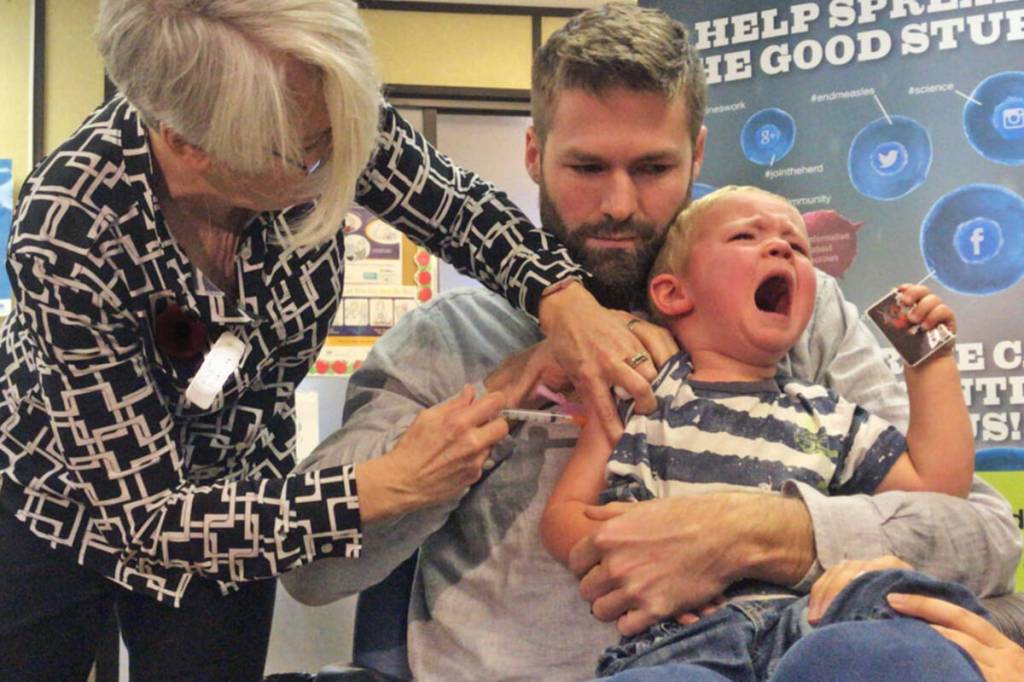
Despite the recent decline in reported cases, public health guidance continues to emphasize vaccination before winter.
The Centers for Disease Control and Prevention recommends an annual influenza vaccine for everyone 6 months and older, with most people encouraged to receive it during September or October. Protection generally develops about two weeks after vaccination.
In Juneau, the SouthEast Alaska Regional Health Consortium is advertising flu vaccinations at four facilities, with appointments available through Ethel Lund Medical Center, Vintage Park, Front Street Clinic and its internal medicine clinic on Willoughby Avenue.
Those who become ill may benefit from prescription antiviral medications, especially if they are older or have medical conditions that increase their risk of severe influenza. The CDC says medications such as oseltamivir, commonly known by the brand name Tamiflu, work best when started within two days of symptoms appearing, however, treatment can still help some high-risk patients and people with severe illness after that period. Antivirals are different from antibiotics, which do not treat the influenza virus.
National surveillance indicates the United States is experiencing an earlier rise in influenza activity than in several recent seasons. The CDC reported that 5% of clinical laboratory specimens tested positive for influenza during the week ending Oct. 10, with activity highest in Western regions.
Most influenza A viruses identified through national public health surveillance have been H1N1, although those national results do not establish which strains caused Juneau’s September outbreak.
For the capital city, the latest local figures offer evidence that the first surge has eased, but with colder months ahead and the state’s overall case count still rising, health officials continue to recommend vaccination, early treatment for vulnerable patients and staying home when sick.