Israel and Iran appear to have paused missile strikes after trading fire over the weekend, marking the first major test of the fragile ceasefire that has been in place since April.President Trump urged both sides to stop firing and pressed Israeli Prime Minister Benjamin Netanyahu not to retaliate after Iran launched missiles. Israel nevertheless appeared to carry out limited strikes before both sides signaled the latest round of fighting was contained.Trump said the two sides are still being pushed toward a broader deal, while making clear the U.S. blockade on Iran will remain in place until negotiations are resolved. U.S. Central Command also said that U.S. forces disabled an unladen oil tanker attempting to reach an Iranian port after repeated warnings. CENTCOM said the vessel ignored U.S. directions over a 24-hour period before a U.S. aircraft struck its engine room, preventing it from reaching Iran.Both Israel and Iran have signaled this round of fighting may be over, but both have also warned they are prepared to respond if attacked again.In an interview with the Financial Times, President Trump addressed growing tension with Netanyahu over the Iran talks, saying the Israeli prime minister would have “no choice” but to accept any deal Washington reaches with Tehran. Trump added, “I call the shots. I call all the shots,” a striking public message to a close U.S. ally at a moment when Israel’s military response could threaten the fragile ceasefire and broader negotiations.Oil prices rose on fears of a wider regional conflict, with Brent crude reaching about $98 per barrel before easing as Israel and Iran signaled restraint. Analysts say gas prices may not spike immediately from this round of fighting, but they are unlikely to fall sharply either. The Strait of Hormuz remains largely blocked, and any renewed escalation could quickly push crude prices and fuel costs higher. Follow updates on the war in Iran:
WASHINGTON —
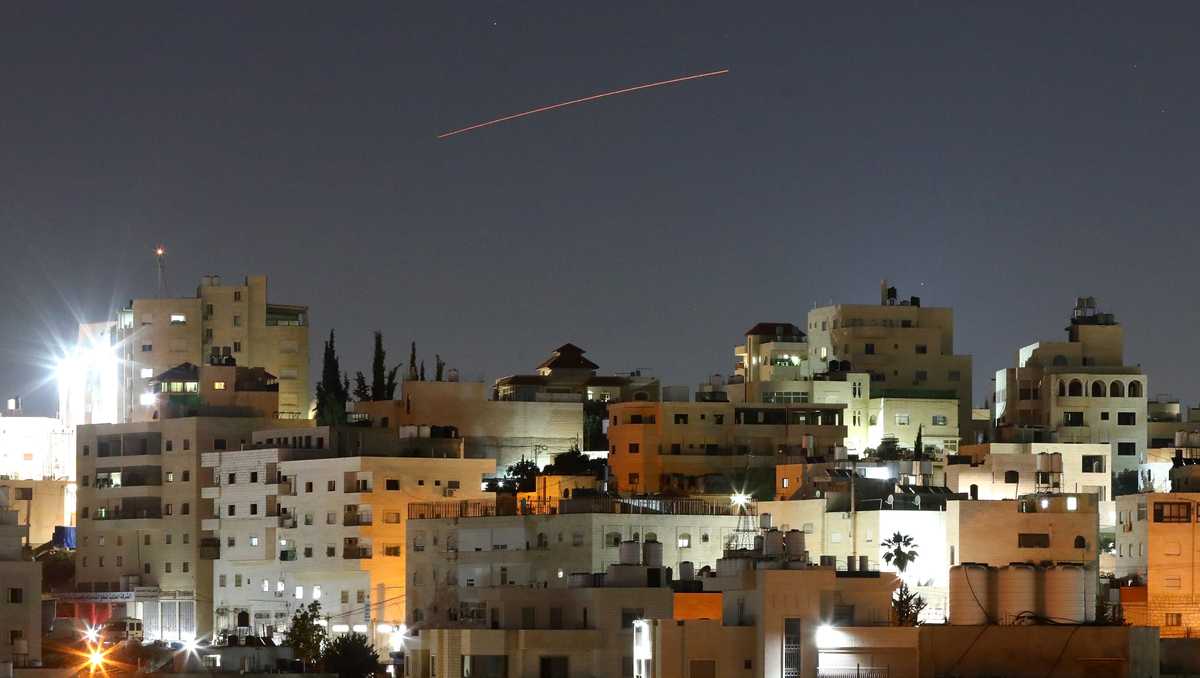
Israel and Iran appear to have paused missile strikes after trading fire over the weekend, marking the first major test of the fragile ceasefire that has been in place since April.
President Trump urged both sides to stop firing and pressed Israeli Prime Minister Benjamin Netanyahu not to retaliate after Iran launched missiles. Israel nevertheless appeared to carry out limited strikes before both sides signaled the latest round of fighting was contained.
Trump said the two sides are still being pushed toward a broader deal, while making clear the U.S. blockade on Iran will remain in place until negotiations are resolved.
U.S. Central Command also said that U.S. forces disabled an unladen oil tanker attempting to reach an Iranian port after repeated warnings. CENTCOM said the vessel ignored U.S. directions over a 24-hour period before a U.S. aircraft struck its engine room, preventing it from reaching Iran.
Both Israel and Iran have signaled this round of fighting may be over, but both have also warned they are prepared to respond if attacked again.
In an interview with the Financial Times, President Trump addressed growing tension with Netanyahu over the Iran talks, saying the Israeli prime minister would have “no choice” but to accept any deal Washington reaches with Tehran. Trump added, “I call the shots. I call all the shots,” a striking public message to a close U.S. ally at a moment when Israel’s military response could threaten the fragile ceasefire and broader negotiations.
Oil prices rose on fears of a wider regional conflict, with Brent crude reaching about $98 per barrel before easing as Israel and Iran signaled restraint. Analysts say gas prices may not spike immediately from this round of fighting, but they are unlikely to fall sharply either. The Strait of Hormuz remains largely blocked, and any renewed escalation could quickly push crude prices and fuel costs higher.
Follow updates on the war in Iran: