THANKS TO OUR COMMUNITY PARTNERS
CASPER, Wyo. — Casper City Council members received an update from the Casper-Natrona County Health Department at their Tuesday work session, which included numbers of those aided by the department’s various programs and the funding challenges some of those programs face.
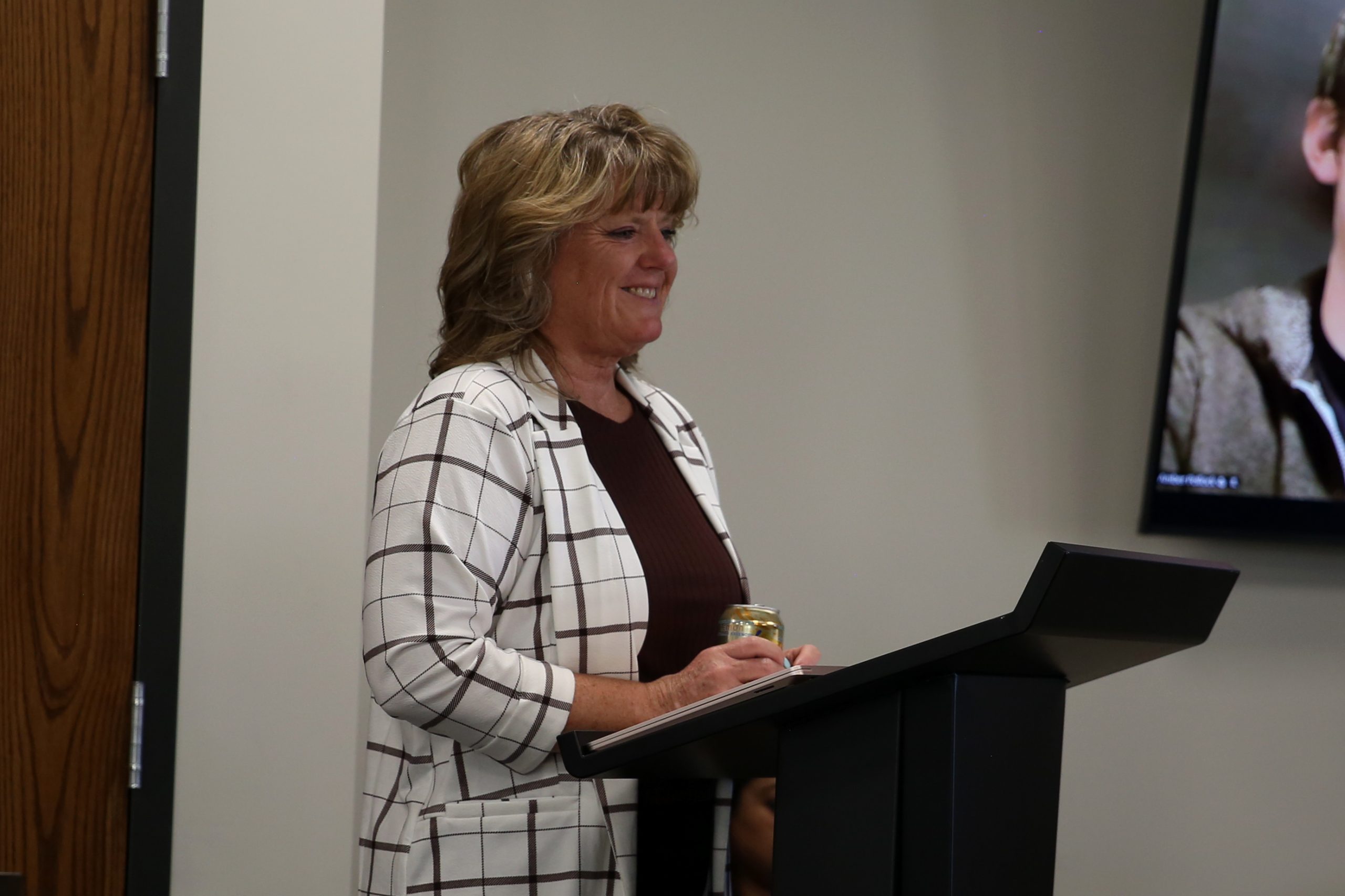
At Tuesday’s meeting, health department Executive Director Anna Kinder said the department provides a variety of services to the community, ranging from environmental health inspections to disease response.
The agency oversees initiatives such as the Women, Infants, and Children program, which serves an average of 1,280 participants monthly. Other core services include maternal and child health visits and immunization programs that delivered hundreds of vaccines in 2025.
The maternal and child health programs see a monthly average of 150 referrals and 63 home visits. The services are part of a mandated effort to reach 90% of Medicaid births and 75% of all births in Natrona County, Kinder said.
She added that the health department’s communicable disease response is a cornerstone of its clinical work, managing more than 80 clinic visits for STI and HIV services each month. On average, health department staff identify and treat about 10 positive STI cases each month while providing access to HIV testing and pre-exposure prophylaxis. The agency also oversees surveillance and case management for tuberculosis and rabies, providing environmental follow-up and more preventative services.
Kinder also noted that the department plans to add a community health integration system, which will aim to address social factors that impact people’s health, like transportation access and housing.
“If those things are presenting challenges to people, obviously they won’t be able to take care of their health as well, so we’re developing this community health integration [program],” she said.
“Our county health officer, Dr. Mark Dowell, has been asking for this program for a number of years, recognizing many people don’t know how to access or enter the healthcare system,” Kinder continued.
Despite the strong engagement numbers, Kinder said many of these programs are currently operating under a difficult “funding reality” without dedicated or stable reimbursement streams. She added that many of the programs are mandated by law but remain underfunded or operate without reimbursement.
Specifically, Kinder said the department’s outreach teams connected more than 200 unhoused or at-risk residents to care in fiscal year 2026 without a dedicated funding stream for that work. She also said the funding for maternal and child healthcare typically runs out before the end of the year.
Other programs currently operating without stable funding include the Peace in Our Cities violence prevention partnership and the CredibleMind digital mental health platform.
Vice Mayor Kyle Gamroth asked if the department could benefit from the new Rural Health Transformation program. However, Kinder responded that Casper does not meet the definition of “rural” required by that program, even though the city suffers from many of the same problems that affect rural communities, such as being a food desert and experiencing a shortage of physicians.
Looking ahead to future plans, Kinder also reported that the department is planning a medical countermeasure simulation to be hosted In late summer to test its emergency response capabilities. Health department staff will simulate the rapid distribution of medication using M&Ms to evaluate the department’s timeliness, workflow and use of facility space. The simulation will also serve as an opportunity for the agency to practice essential coordination and response operations.
To ensure a realistic simulation, the health department plans to invite volunteers and encourages participation from city partners as part of the preparedness effort.