EVERETT — The city of Everett is proposing a major rework of its business and occupation tax code in a move that would increase tax bills for some business owners while giving tax breaks to others.
The proposed tax changes would bring new funding that the city plans to set aside for investments supporting economic development efforts. The city hopes to use most of the money to put millions of tax dollars per year toward Everett’s proposed downtown stadium project, officials said during an interview Monday, along with allocating hundreds of thousands of dollars to programs to help promote local businesses and help companies navigate city processes.
What would the changes look like?
Currently, the city charges business and occupation taxes, known as B&O taxes, on four different business sectors: retail and restaurants, manufacturing, wholesale, and services or other activities. Businesses in all four sectors pay the same tax rate of 0.1% of their annual revenues. If a business earns less than $20,000 per year, it’s exempt from the tax entirely.
Under the proposed changes, the city would increase that exemption threshold to $250,000 in gross receipts per year, meaning about 3,000 additional businesses across Everett would no longer have to pay B&O taxes. Businesses with less than $45,000 in annual revenue would also no longer have to pay licensing fees to the city, up from a previous limit of $5,000 per year.
In total, about 6,500 of Everett’s approximately 9,500 businesses would not have to pay the taxes after the changes, according to the city.
The proposed changes, however, would raise B&O taxes in the manufacturing, service and wholesale sectors. Taxes on the manufacturing sector would rise from 0.1% to 0.12%, and the service and wholesale sectors would rise from 0.1% to 0.15%. The tax rate for the retail and restaurant sector would fall from 0.1% to 0.075%.
Mike Fong, the city’s deputy mayor, said in an interview Monday that the B&O tax code in the city was in need of a major rework, as it had last been updated in 2002. The current $20,000 threshold allows businesses to be exempt from the B&O taxes is low compared to most other cities, he said, and the administrative costs from charging licensing fees to extremely small businesses brought into question “whether or not it makes any sense to even continue charging these folks,” Fong said.
The city also decided to propose a reduction in the tax rate for retail businesses because of the thin margins in the industry, and because it is the largest category of businesses in the city, Fong said. He estimated Monday that about 2,000 companies across the city will see their B&O tax rate go down.
Tyler Chism, a placemaking program manager at the city, said during Wednesday’s council meeting that the measure would have value for residents and businesses.
“If the proposal simply raised B&O taxes, I think it would be a completely different conversation,” Chism said. “Instead, we’re modernizing our B&O rates, we’re providing significant relief to small businesses and we’re investing in things that help support our businesses and grow our economy.”
Over the summer, city representatives talked with 110 businesses across Everett. The result was a report that showed just over half of Everett’s small businesses remain optimistic despite reporting rising costs as a big concern.
Among the survey respondents, 87% said the cost of doing business has been more challenging in the past two years, with 62% saying costs have become much more challenging. When asked what was creating the greatest burden on small businesses, taxes and fees were ranked highest.
As part of the survey, businesses said the most important action that Everett could do to help businesses would be to reduce costs and fees. Participants pointed to making government processes, such as permitting, easier to navigate, improving public safety and expanding marketing and tourism as ways the city could support its businesses.
Tony Hernandez, who runs Los Gavilanes on Casino Road, was one of two representatives from Everett businesses that city officials invited to an interview with The Daily Herald on Monday regarding the proposed B&O changes. While the grocery store, which just celebrated its 20th anniversary, would not qualify for the new tax exemption, Hernandez said he thinks the higher threshold would help other small business owners.
“We think this is a great opportunity for the city to allow small businesses to grow because it’s very challenging,” he said.
Kerri Lonergan-Dreke, who operates the Lombardi’s Italian Restaurant near the Everett waterfront, told the council Wednesday that she supported the proposal that would bring tax relief to restaurant businesses.
“Restaurants operate on very, very thin margin, so any reduction in taxes is welcome,” Longergan-Dreke said.
How would the money be spent?
Currently, all of the city’s revenue from its B&O taxes go into its general fund to help pay for public services like police, fire, parks and administration costs. Those taxes make up about 13% of the city’s general fund revenues.
But the additional funding that comes from the B&O tax changes will not go toward general fund services, Mayor Cassie Franklin said in an interview Monday. Rather, it would be set aside into a separate subfund, limited to spending only on economic development efforts and business support, according to city spokesperson Jason Kelly.
In total, the city estimates that it the changes would bring in about $3.5 million per year to the new fund.
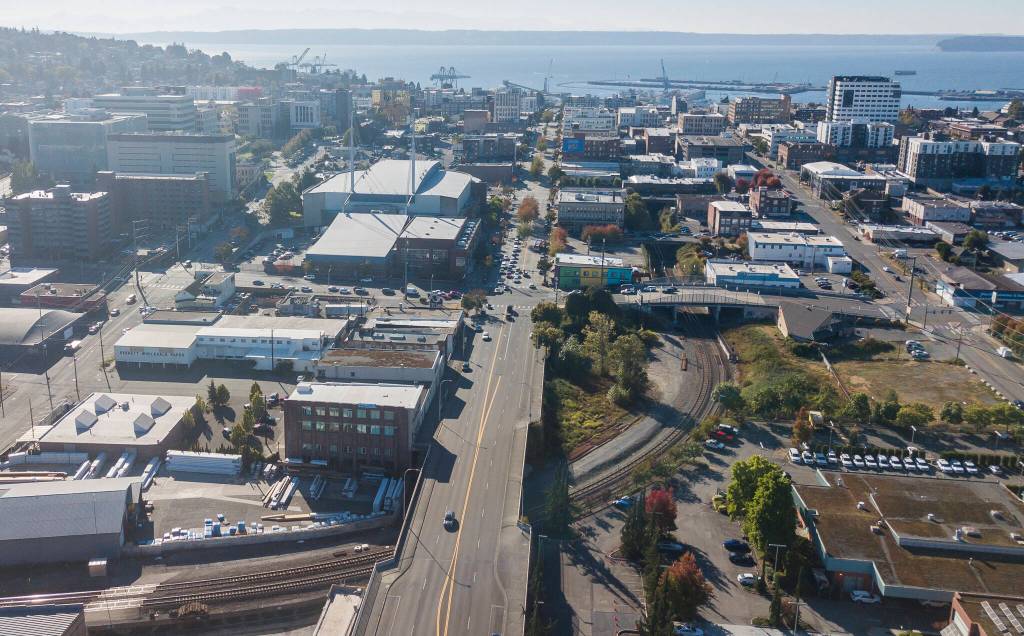
The city plans for most of that funding, as much as $2.9 million, to go toward the city’s Outdoor Event Center, the stadium planned for the city’s downtown that would host the Everett AquaSox and, potentially, United Soccer League teams if it is eventually built. The city council would have to give final approval to any spending allocations at a later date.
The stadium project is still awaiting a full financial plan and final approval from the city council as officials try to close a funding gap. City staff’s most recent estimate as to the cost of the stadium was about $120 million, higher than previous figures.
Everett has allocated about $23.2 million to the project, about $16 million of which was loaned from its general fund. The city plans to repay the loans via a bond, backed by revenues from the stadium.
If the B&O tax reforms go forward, it would be the first time that the city has raised taxes to help pay for the stadium, something that a fiscal advisory committee that studied ways to pay for the project recommended against doing in 2024. The committee worried that hiking taxes to pay for the stadium would place an increased burden on businesses and residents, but also made a point to state that the city could consider tax increases as a possible option “if all other avenues are fully exhausted,” the report read.
Kelly wrote in an email Tuesday that the extra funding from the new B&O reforms would continue going toward the stadium’s bond payments annually, even after construction is complete. After the bonds are paid off, that money would go toward other economic development projects in the city, according to Kelly.
He wrote that the city is still developing the full financing plan for the stadium — which is set to include lease payments from the sports teams, ticket revenue, naming rights, along with public and private contributions — but Everett expects to need for the new funding source, which could bring between $2.5 million to $2.9 million per year to the project.
Kelly also emphasized that the B&O changes would do more than just fund the stadium.
“The proposal does several other things that are responsive to the businesses we heard from this summer: update the ordinance for the first time in more than 20 years, exempt 6500 businesses from paying B&O, reduce taxes for another 2000 retailers, bring us in line with our peer cities, and provide funding to support marketing and better access to city services for businesses,” Kelly wrote.
Franklin also argued that the Outdoor Event Center was a major project already in the works that could grow Everett’s economy, and the economy of the region as a whole, by bringing in visitors and encouraging spending. A city-funded report has posited that the facility could attract tens of millions of dollars of spending in the area per year.
“The problem with a lot of people paying taxes is the money disappears, you don’t see something built for the community,” Hernandez said. “This way, we’re actually seeing something built for the community.”
Jim Langus told the council Wednesday that he supported the tax changes, but would rather have seen the proceeds go to other capital projects in the city rather than the proposed stadium project.
“When it comes to spending the dollars that will be coming forward from some of these programs that you will be supporting, make sure that we’re paying attention to what we really need for the community and some of our unfunded projects,” Langus said.
Other investments the city plans to make with the new revenue include launching a team to help businesses navigate city processes and find public safety support. Exactly what that program would look like is not yet known, Fong said during Wednesday’s council meeting. Everett could either hire staff members under the city’s umbrella to do the work or contract the services out to another organization, Fong said Monday. The city plans to spend between $300,000 and $500,000 on that work, according to a presentation.
Everett-based illustrator Elizabeth Person, who runs the studio Elizabeth Person Art, said during an interview Monday alongside city officials that she was excited about the potential for more staff in the business sector that could help navigate systems or give guidance when filing paperwork.
“When I need a bigger studio space, it’d be wonderful to know there’s someone in the city I can call who might have an ear to the ground on leads where I could rent,” she said.
The city would also plan to launch a grant program to commercial districts that would go toward promoting events, storefront improvements and marketing efforts. That effort would also receive about $300,000 to $500,000 per year.
The Everett council plans to vote on the B&O tax changes on Oct. 14. If approved, the tax changes would go into effect on Jan. 1.
Will Geschke: 425-339-3443; william.geschke@heraldnet.com; X: @willgeschke.
Jenna Millikan: 425-339-3035; jenna.millikan@heraldnet.com; X: @JennaMillikan