One reason Louisiana could never be mistaken for Anyplace USA is our physical surroundings, not just the natural beauty but an array of architecture so diverse and distinct that — as Hollywood location scouts know well — it could conjure pretty much any American era.
Some of that is due to the National Historic Preservation Act of 1966, which requires federal agencies to consider how federally funded or housed projects affect historic places, and gives locals the chance to weigh in.
Perhaps the most famous example of its impact was the defeat of a riverfront expressway proposed in the late 1960s for New Orleans’ French Quarter, over what are now popular gathering spaces along the Mississippi River. But there are countless projects that were changed for the better by the sort of on-the-ground input the law mandates.
That may not be the case going forward, though, under a proposal to severely loosen regulations advanced by the Advisory Council for Historic Preservation, which advises the president and Congress on preservation issues. The proposal now moves to the Trump administration for review.
Among members of the council appointed by President Donald Trump is Gov. Jeff Landry, who supports the proposed deregulation.
“When we modernize the process, we reaffirm a more predictable and efficient review and ultimately ensure preservation is considered without creating unnecessary delays for industry projects,” he said.
The urgency behind the proposal comes from Trump’s aggressive moves to remake the face of the nation’s capital, but the effects would filter out across the country.
We believe that the type of balance Landry described already largely exists, and that under the proposed changes preservation would wind up with the short end of the stick.
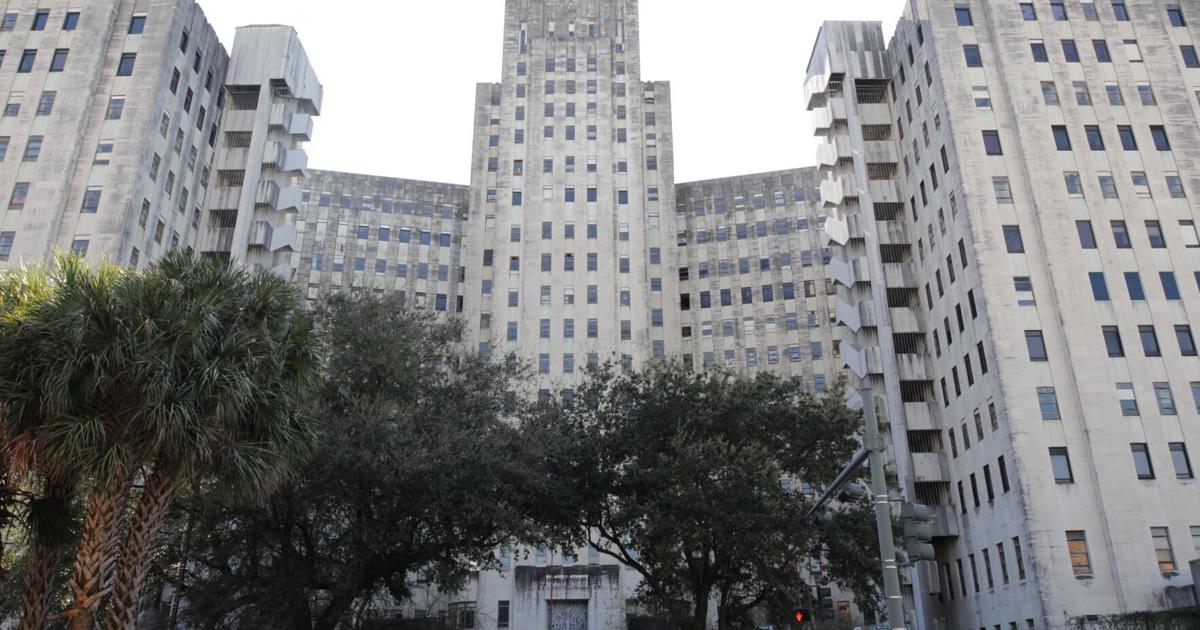
“This is our cultural economy. It puts everything at risk and at the whim of the aesthetic taste of the person with the pen,” Sandra Stokes, chair of advocacy for the Louisiana Landmarks Society, argued. Stokes cited the soon-to-be-redeveloped art deco Charity Hospital building in New Orleans as a prime example of a project made possible by the current law.
But it’s not just big developments that would be affected. The sweeping proposal would eliminate a requirement that federal agencies minimize damage to historic architecture, neighborhoods and landscapes — the very things that recently inspired the World Monuments Fund to designate all of New Orleans as “irreplaceable.” It would end the obligation of agencies to consider potential adverse effects to significant places. It would also revoke the right of state and local governments to comment on projects in their jurisdictions.
We recognize that there is always room for improvement and streamlining of regulations.
But we urge officials — including House Speaker Mike Johnson and House Majority Leader Steve Scalise, who have the president’s ear – to approach these changes judiciously and consider what could be lost as well as what would replace it.