After a gunman sought to breach the White House Correspondents’ Association dinner, some lawmakers said Secret Service agents foiled his plot even though their agency is currently unfunded during a partial government shutdown. The day after the April 25 dinner, Sen. Tim Scott, R-S.C., posted on X, “Secret Service remains unpaid. Left-wing leaders call for violence against conservatives. And the media acts like this is all normal.”Sen. Rick Scott, R-Fla., echoed the point about Secret Service pay, posting on X, “Democrats have REFUSED to pay Secret Service agents for over 70 DAYS. The very agents that put their lives on the line to protect others and keep our nation safe. The Democrats need to give up this RIDICULOUS political stunt and FULLY FUND DHS.”These statements mislead about Secret Service agents’ pay. Although agents might not get paid typically under a government shutdown, the Trump administration reallocated money authorized under President Donald Trump’s 2025 signature tax and spending law, the One Big Beautiful Bill Act.”Under normal circumstances, a shutdown would result in some employees not receiving their normal appropriated salaries, but the administration has other resources at their disposal,” said Dominik Lett, a budget policy analyst at the libertarian Cato Institute.Tim Scott’s office did not respond to inquiries for this article, nor did Rick Scott’s. The White House referred us to the Office of Management and Budget, which did not respond to inquiries. Neither the Secret Service nor the Department of Homeland Security responded, either.Why is there a funding lapse?A funding lapse, often called a government shutdown, happens when money Congress has appropriated for federal agencies runs out without lawmakers passing a new funding bill. In 2025, the government experienced a record 43-day shutdown. During this earlier shutdown, federal workers generally were not paid. Once that shutdown ended, most of the federal government returned to fully funded status — with one exception, the Department of Homeland Security. Democrats have been unwilling to vote to fund the department without changes to immigration enforcement policy; Republicans have been unwilling to support some of the changes Democrats are seeking. So the two parties remain in a standoff. This has meant that the department and all its subsidiary agencies, including the Secret Service, are currently unfunded. Why this shutdown evolved differentlyIn traditional government funding standoffs, employees working for unfunded departments might be asked to work, but they cannot be paid until funding is restored. (By law, workers in this situation are eventually given their full back pay.)The current Homeland Security funding lapse has proceeded differently.On April 3 — after widespread news coverage of long airport security lines because of a lack of pay for federal security screeners — Trump signed an executive order that reallocated federal money so Homeland Security employees, including the Secret Service, could be paid.The money came from the One Big Beautiful Bill Act, which provided about $140 billion for DHS agencies Immigration and Customs Enforcement and Customs and Border Protection outside of the normal congressional appropriations process. In effect, the administration shifted money from border security to other areas, including the Secret Service.”Those funds are currently being used to pay all DHS salaries, including non-law enforcement (Secret Service) personnel, until (the funds) are exhausted or (fiscal year 2026) DHS appropriations are enacted,” the Congressional Research Service, a nonpartisan arm of Congress, wrote April 28.While Secret Service employees are receiving their standard pay, they have felt a monetary pinch in other ways from the shutdown, according to Susan Crabtree, national correspondent for RealClearPolitics who has written extensively about the Secret Service.Crabtree posted April 25 on X that, based on conversations with Secret Service employees, many “have been under financial stress” because they’ve used their government credit cards to cover job-related costs that may not be immediately reimbursed. Government credit cards are tied to personal credit scores, so unpaid balances can affect personal credit ratings.Our rulingTim Scott said the “Secret Service remains unpaid” during the current partial government shutdown.The Trump administration shifted money from the One Big Beautiful Bill Act to DHS, including to pay Secret Service employee salaries.We rate the statement: false.
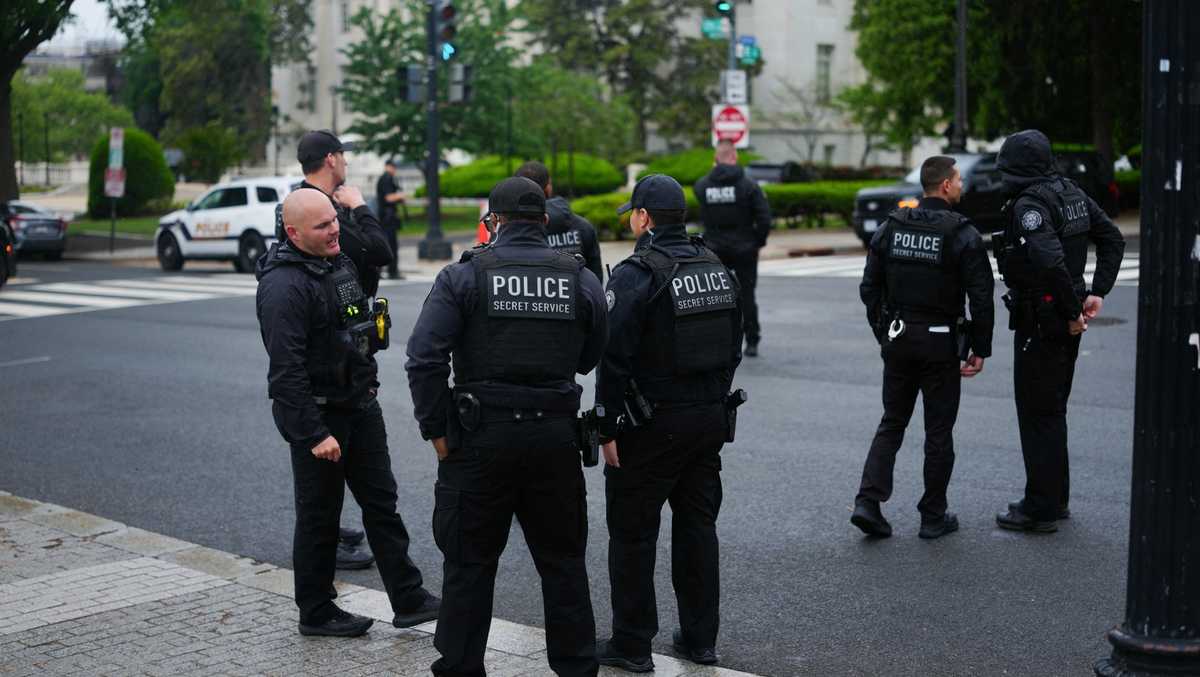
After a gunman sought to breach the White House Correspondents’ Association dinner, some lawmakers said Secret Service agents foiled his plot even though their agency is currently unfunded during a partial government shutdown.
The day after the April 25 dinner, Sen. Tim Scott, R-S.C., posted on X, “Secret Service remains unpaid. Left-wing leaders call for violence against conservatives. And the media acts like this is all normal.”
Sen. Rick Scott, R-Fla., echoed the point about Secret Service pay, posting on X, “Democrats have REFUSED to pay Secret Service agents for over 70 DAYS. The very agents that put their lives on the line to protect others and keep our nation safe. The Democrats need to give up this RIDICULOUS political stunt and FULLY FUND DHS.”
These statements mislead about Secret Service agents’ pay. Although agents might not get paid typically under a government shutdown, the Trump administration reallocated money authorized under President Donald Trump’s 2025 signature tax and spending law, the One Big Beautiful Bill Act.
“Under normal circumstances, a shutdown would result in some employees not receiving their normal appropriated salaries, but the administration has other resources at their disposal,” said Dominik Lett, a budget policy analyst at the libertarian Cato Institute.
Tim Scott’s office did not respond to inquiries for this article, nor did Rick Scott’s. The White House referred us to the Office of Management and Budget, which did not respond to inquiries. Neither the Secret Service nor the Department of Homeland Security responded, either.
Why is there a funding lapse?
A funding lapse, often called a government shutdown, happens when money Congress has appropriated for federal agencies runs out without lawmakers passing a new funding bill.
In 2025, the government experienced a record 43-day shutdown. During this earlier shutdown, federal workers generally were not paid. Once that shutdown ended, most of the federal government returned to fully funded status — with one exception, the Department of Homeland Security.
Democrats have been unwilling to vote to fund the department without changes to immigration enforcement policy; Republicans have been unwilling to support some of the changes Democrats are seeking. So the two parties remain in a standoff. This has meant that the department and all its subsidiary agencies, including the Secret Service, are currently unfunded.
Why this shutdown evolved differently
In traditional government funding standoffs, employees working for unfunded departments might be asked to work, but they cannot be paid until funding is restored. (By law, workers in this situation are eventually given their full back pay.)
The current Homeland Security funding lapse has proceeded differently.
On April 3 — after widespread news coverage of long airport security lines because of a lack of pay for federal security screeners — Trump signed an executive order that reallocated federal money so Homeland Security employees, including the Secret Service, could be paid.
The money came from the One Big Beautiful Bill Act, which provided about $140 billion for DHS agencies Immigration and Customs Enforcement and Customs and Border Protection outside of the normal congressional appropriations process. In effect, the administration shifted money from border security to other areas, including the Secret Service.
“Those funds are currently being used to pay all DHS salaries, including non-law enforcement (Secret Service) personnel, until (the funds) are exhausted or (fiscal year 2026) DHS appropriations are enacted,” the Congressional Research Service, a nonpartisan arm of Congress, wrote April 28.
While Secret Service employees are receiving their standard pay, they have felt a monetary pinch in other ways from the shutdown, according to Susan Crabtree, national correspondent for RealClearPolitics who has written extensively about the Secret Service.
Crabtree posted April 25 on X that, based on conversations with Secret Service employees, many “have been under financial stress” because they’ve used their government credit cards to cover job-related costs that may not be immediately reimbursed. Government credit cards are tied to personal credit scores, so unpaid balances can affect personal credit ratings.
Our ruling
Tim Scott said the “Secret Service remains unpaid” during the current partial government shutdown.
The Trump administration shifted money from the One Big Beautiful Bill Act to DHS, including to pay Secret Service employee salaries.
We rate the statement: false.