Kuwait-based Zain Group has secured Syria’s new mobile network operating license after an international auction, positioning the regional telecom leader to launch “Zain Syria” in early 2027. The company clinched the license with a $747 million bid and pledged more than $800 million in infrastructure investment over the next decade to modernize the country’s digital backbone.
The award follows formal notification from the Syrian Ministry of Communications and Technology, which selected Zain to replace MTN Syria as its license expires. Officials said the decision capped a competitive technical and financial evaluation process.
Under the agreement, Zain Syria will operate under a 25-year concession — an initial 20-year term with an optional five-year extension. Zain Group is expected to hold a 75 percent stake in the new entity, with the remaining 25 percent owned by a Syrian government partner.
Transition Period Ahead of Q1 2027 Launch
Zain said its immediate focus will be completing regulatory procedures and transferring operational assets ahead of a commercial launch in the first quarter of 2027.
To avoid service disruptions for the network’s 6.3 million subscribers, the company will work with the ministry on a six-month transition period during which MTN Syria’s team will continue day-to-day operations. The phased handover is designed to maintain network stability, improve service quality, and gradually integrate systems under Zain’s regional standards. The transition plan also includes incremental upgrades to bring the network in line with Zain’s technical benchmarks and expand wireless broadband coverage.
$800 Million for 5G Rollout and AI Integration
Zain’s investment roadmap allocates more than $800 million over ten years to upgrade and expand Syria’s telecom infrastructure, with priority given to deploying 5G services and introducing AI-driven digital platforms. The company said the program will be financed through its operations in Syria, supported by Zain Group’s regional expertise in technology, investment, and network management.
The group views Syria as a high-potential market, citing its young population and expected growth in demand for data services across consumer and enterprise segments as economic indicators gradually improve.
Vice Chairman and CEO Bader Nasser Al-Kharafi said Zain will emphasize knowledge transfer, local capacity building, and talent development. He noted that entering Syria will allow Zain’s technology subsidiaries to broaden their regional footprint, deliver integrated digital solutions, and strengthen Syria’s connectivity to regional and global markets. Al-Kharafi added that the company’s ambitions extend beyond operating a telecom network to supporting the digital economy and empowering small and medium-sized enterprises as well as government institutions.
Ministry: Total Inflow to Exceed $1.5 Billion
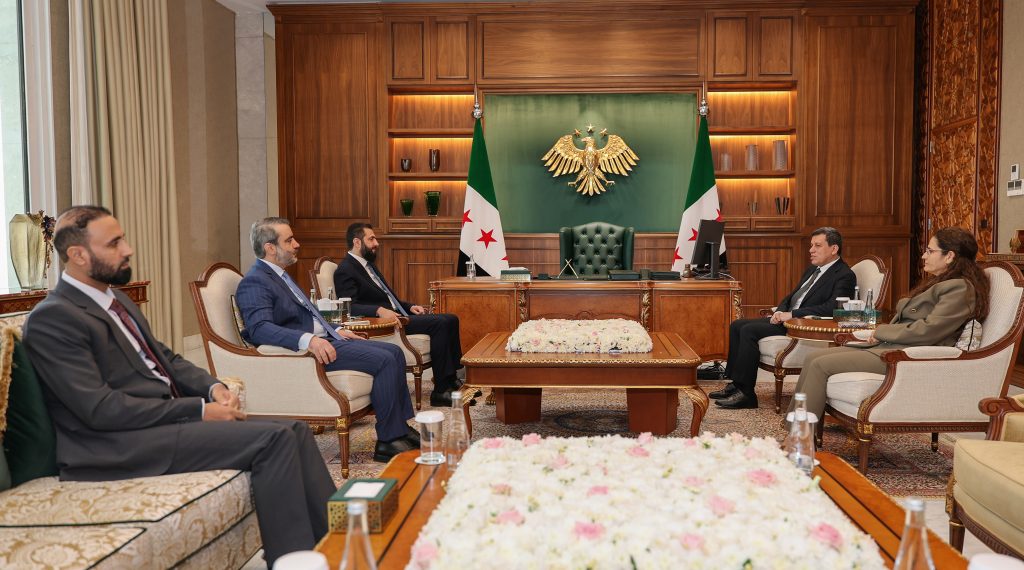
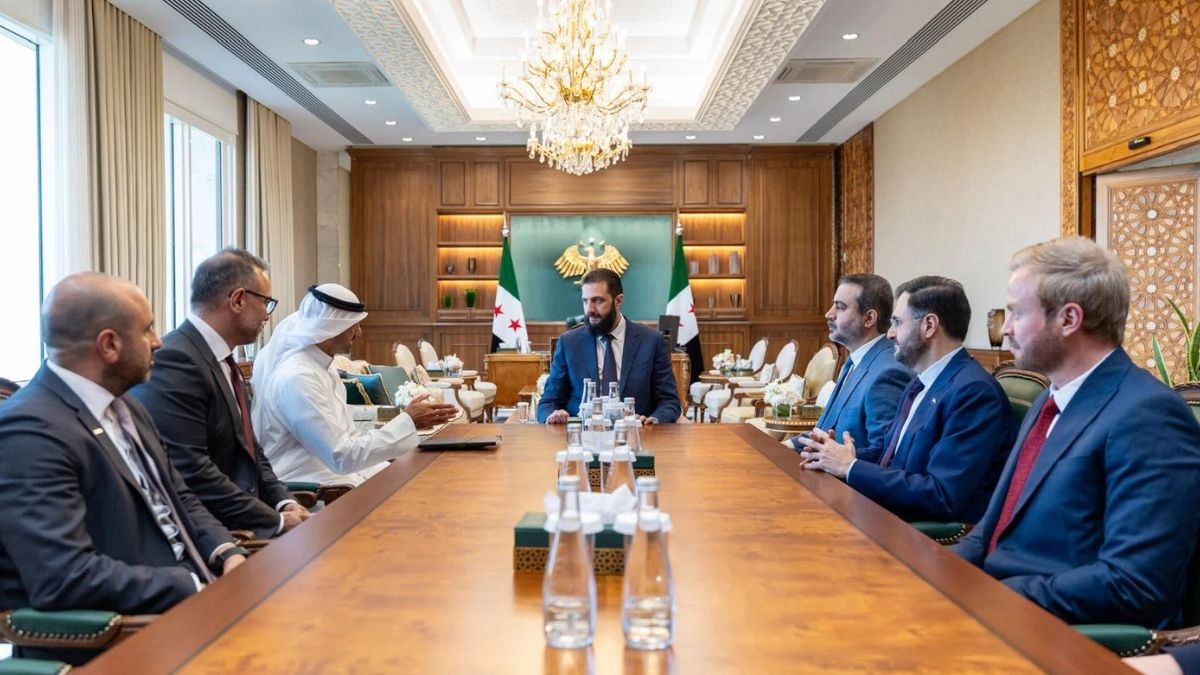
The ministry formally announced Zain’s selection during a ceremony in Damascus attended by Communications Minister Abdul Salam Haikal, Finance Minister Mohammad Yusra Barnieh, Central Bank Governor Safwat Raslan, and senior Zain executives.
Officials said the licensing process followed the resolution of a legal dispute over ownership of 75 percent of MTN Syria’s shares. A settlement with MTN Group cleared the way for the state to restructure ownership and launch an international bidding round.
Ministry documents describe the project as the establishment of a fully new operator — with its own license, spectrum allocation, and investment commitments — rather than a transfer of MTN Syria’s existing rights. The Syrian treasury will receive $747 million in license and spectrum fees, in addition to $800 million in investment and operational commitments during the first seven years to deploy 5G, expand coverage, and improve network quality.
The state’s revenue share from the sector will rise gradually from 15 percent to 20 percent. Officials estimate that the combined value of license fees, long-term obligations, and investment commitments will exceed $1.5 billion. The initiative aims to stimulate competition, improve the investment climate, create direct and indirect employment, and accelerate Syria’s broader digital transformation.
This article was translated and edited by The Syrian Observer. The Syrian Observer has not verified the content of this story. Responsibility for the information and views set out in this article lies entirely with the author.