The killing of an elderly Kurdish man who had recently returned to Afrin has provoked widespread anger and renewed concern over the safety of displaced civilians attempting to resettle in north-western Syria.
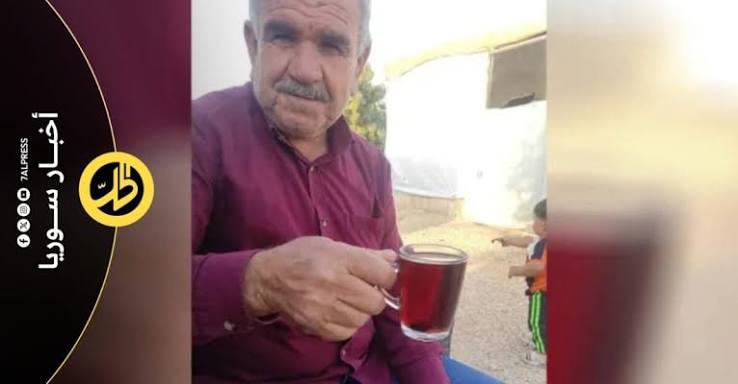
Adel Abdul Hanan Naasan, born in 1959 and originally from the village of Shitka in the Mabata district, was found dead in his olive grove near the junction leading to Faqiran in the Jindires area. Local residents said he had left home to tend to his land before being discovered with gunshot wounds. The Syrian Observatory for Human Rights also reported that armed men shot him while he was working on his property.
Unverified reports that a note containing racist language and threats against Kurdish residents was found at the scene have heightened fears that the killing may have been ethnically motivated. Authorities have not released any investigative findings.
Naasan’s funeral drew expressions of anger and condemnation, with residents warning that similar attacks could recur unless security conditions improve. Civic groups and local inhabitants have demanded an urgent, transparent investigation to determine the circumstances of his death and identify those responsible. They have also called for stronger civilian protection and measures to curb hate speech and communal incitement.
Second killing in a week
Naasan’s death follows the killing of another Kurdish resident, 46-year-old Adnan Mohammed Atar, on the road between Jindires and the village of Jalma less than a week earlier. His case remains clouded by conflicting accounts, and authorities have yet to provide a public explanation addressing the discrepancies raised by his family.
On the evening of 22 July, Atar reportedly received a phone call asking him to travel to Jalma. He left on a motorcycle, after which his family lost contact with him. Hours later, criminal police informed his relatives that he had been killed and that his body was being held at the forensic medicine centre in Aleppo.
Police told the family that Atar was shot after failing to stop at a temporary security checkpoint. His relatives dispute that account, saying the forensic report referred to a chest injury while their own examination appeared to show a single gunshot wound to the head. They suspect he was deliberately killed rather than shot while passing through a checkpoint.
His body was later transferred to the military hospital in Afrin pending release to the family. No official statement has addressed the apparent inconsistencies or clarified whether security personnel or other suspects are under investigation.
Promises of a safe return under scrutiny
The two killings have raised questions about the government’s ability to uphold the security guarantees it offered displaced residents returning to Afrin. Under an agreement reached on 29 January, authorities pledged to create safe conditions for returnees, and several organised returns followed in subsequent months.
Naasan’s killing, shortly after his own return, has cast doubt on the effectiveness of those assurances. Atar’s unresolved death has deepened the sense of insecurity and reinforced concerns that authorities have failed to provide transparent investigations into serious crimes involving Kurdish residents.
Reports of an explicitly racist threat found at Naasan’s killing site—though not independently verified—have further heightened fears of attacks driven by ethnic hostility. Even unconfirmed claims require prompt investigation to prevent rumours and communal tension from spreading in a region marked by displacement, property confiscation and friction between armed groups and local Kurdish communities.
A test of accountability
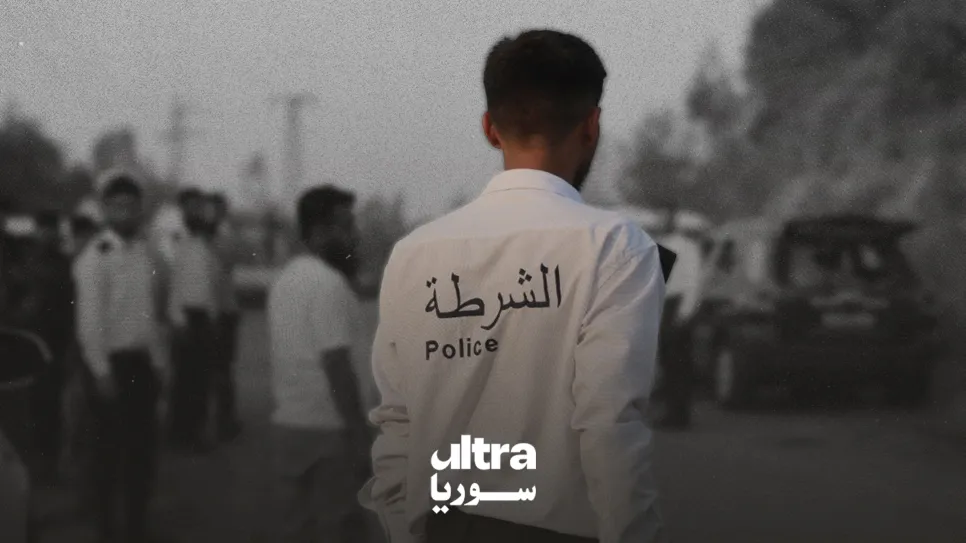
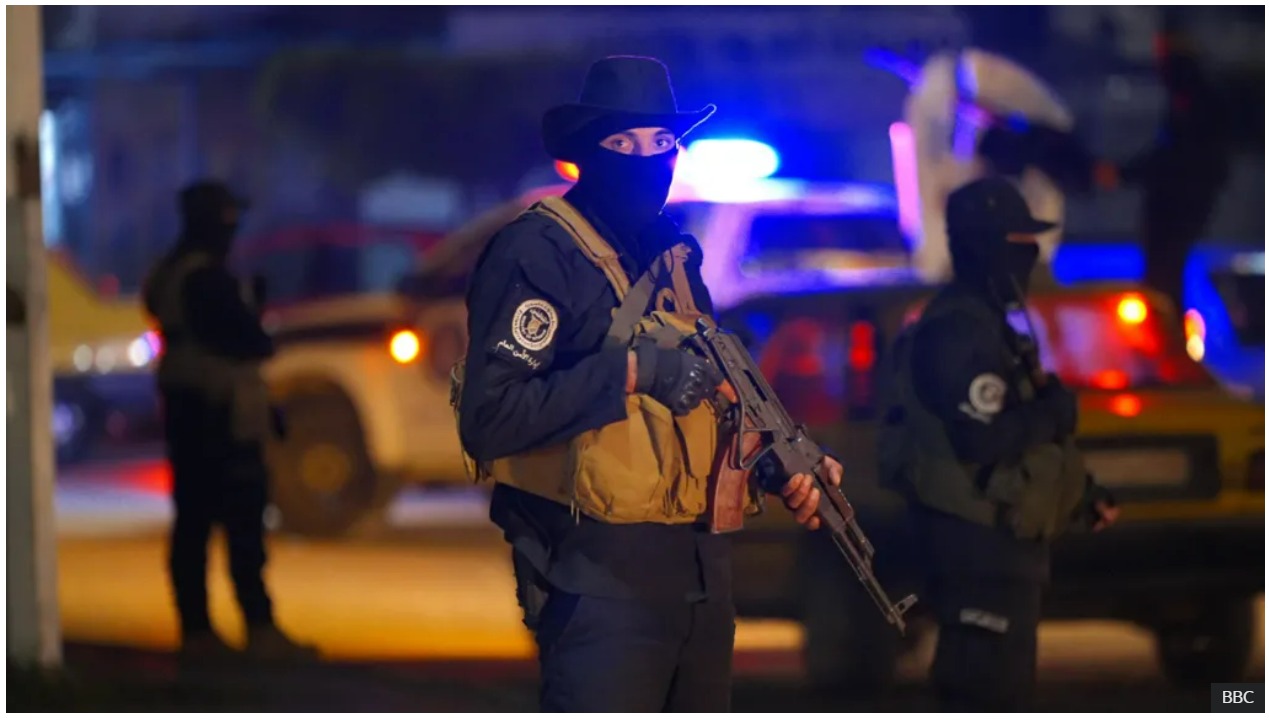
The two deaths pose an immediate test for local security institutions. A credible response would require authorities to preserve evidence, question witnesses, clarify whether security personnel or armed factions are suspected, and publish the principal findings of their investigations.
In Atar’s case, officials must also explain the discrepancy between the account given to his family and the injuries described by relatives. Without clarification, official silence risks deepening suspicions of a cover-up and eroding confidence among returning residents.
The absence of public findings in either case has strengthened fears that perpetrators may benefit from impunity. For displaced families considering whether to return, assurances of safety carry little weight when killings remain unresolved and victims’ relatives receive no credible explanation.
A safe return requires more than physical relocation. It demands protection from violence, access to property, freedom from intimidation and an effective judicial process when abuses occur. Without these safeguards, returning families may face the same insecurity and discrimination that forced them to leave.
The killings of Naasan and Atar have therefore become more than isolated criminal cases. They raise a broader question confronting the authorities in Afrin: who will protect those returning home, and who will be held accountable when that protection fails?
This article was translated and edited by The Syrian Observer. The Syrian Observer has not verified the content of this story. Responsibility for the information and views set out in this article lies entirely with the author.