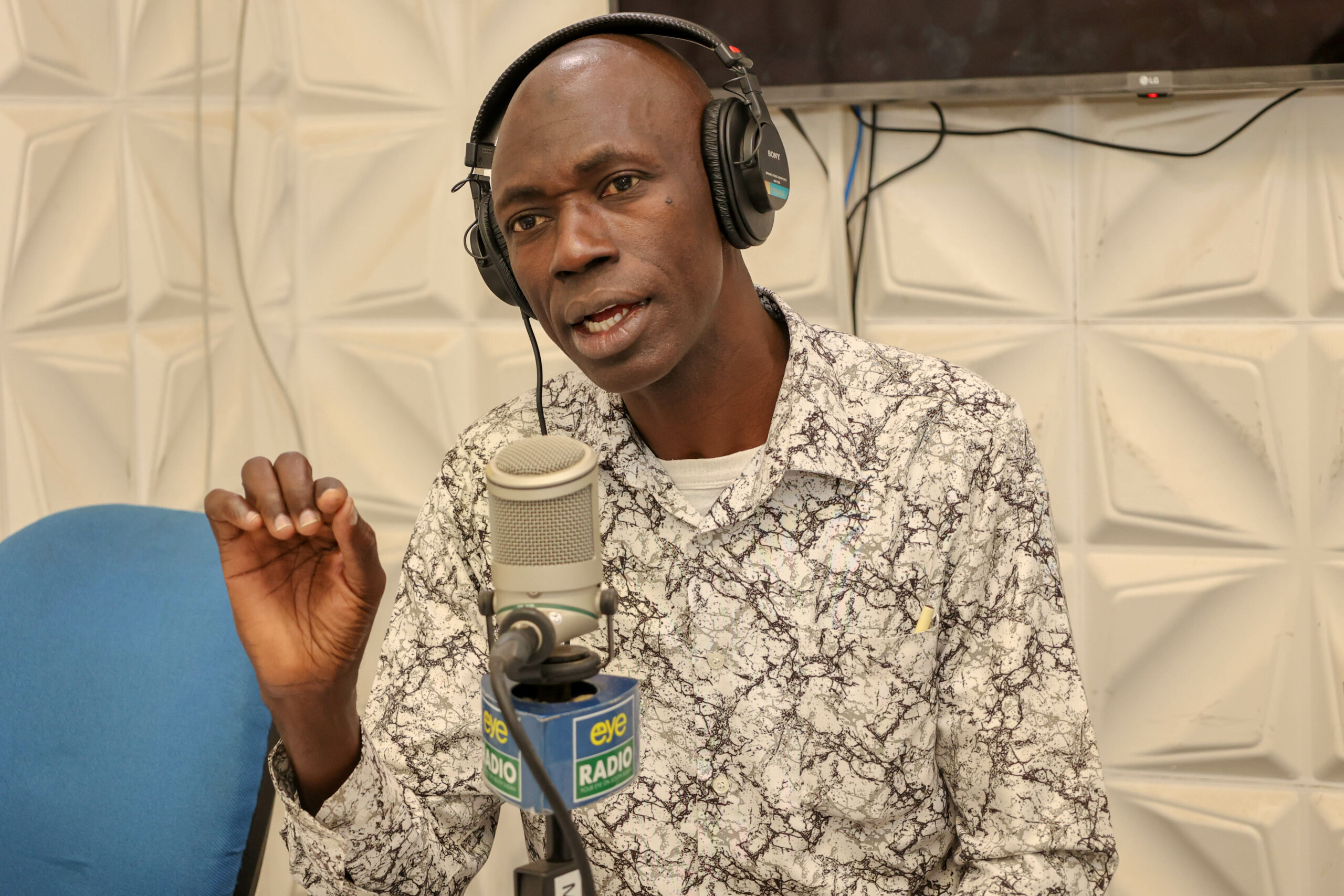
Michael Makuei Lueth, Defiant Minister of Justice and Constitutional Affairs. [Photo: Courtesy]JUBA – Defiant Minister of Justice and Constitutional Affairs, Michael Makuei Lueth, has defended the government’s continued detention of opposition politicians and military officials linked to the SPLM/A-IO, insisting they are criminal suspects facing trial rather than political prisoners.
Makuei made the remarks on Monday, May 11, while addressing journalists after presenting proposed amendments to the Revitalized Agreement on the Resolution of the Conflict in South Sudan (R-ARCSS), the fragile peace deal signed in 2018 to end years of civil war.
The minister said some regional organizations and international institutions had misinterpreted the situation in South Sudan by calling for the release of detained opposition figures, whom they described as political detainees.
“I need to make it clear that there are some institutions and regional organizations who have misunderstood the whole thing, and some of them are calling for the release of political detainees,” Makuei told reporters in Juba.
“I have been telling people that we have no political detainees here in South Sudan. The people we have here are criminals who are undergoing trial,” he added.
According to Makuei, the distinction lies in whether or not charges have been filed against those in detention. He argued that a political detainee is an individual held without legal charges, whereas the current detainees have already been charged and are therefore subject to judicial proceedings.
“A political detainee is a person who is just detained without charges, and he continues to be detained. But these people, we have charged them, and they are now facing the law. They are not political detainees,” he said.
The comments come at a time of mounting political tensions within the transitional government and growing international pressure on the Kiir-led transitional government, including the imposition of visa restrictions on senior government officials by the United States this week.
Several senior officials and commanders affiliated with the SPLM/A-IO, the opposition movement led by Riek Machar, have been arrested in recent months following renewed violence in parts of Upper Nile and Jonglei states.
Government authorities have accused opposition-linked forces of involvement in insecurity and attacks in the two regions, claims that have further strained relations between the rival parties to the peace agreement.
Machar himself was placed under house arrest earlier this year amid escalating political and security disputes between his movement and the government led by President Salva Kiir Mayardit.
The arrests of opposition officials sparked criticism from regional and international actors, some of whom warned that the detentions risk undermining the already fragile peace process. Diplomatic missions, regional blocs, and peace monitors have repeatedly called for dialogue between the parties and urged leaders to de-escalate tensions.
Some international observers have also expressed fears that the detention of opposition figures could weaken trust among signatories to the revitalized peace agreement and reverse gains made since the formation of the unity government.
However, the South Sudanese government maintains that the arrests are tied to criminal investigations and national security concerns rather than political persecution.
Makuei’s remarks signal the government’s continued rejection of international pressure to release detained SPLM/A-IO members, while reinforcing its position that the cases should be handled through legal and judicial channels.
The latest developments add to uncertainty surrounding the implementation of the peace agreement, which has already faced repeated delays over key provisions, including security arrangements, constitution-making, and preparations for long-awaited national elections.