Author: Koang Pal Chang | Published: 39 minutes ago
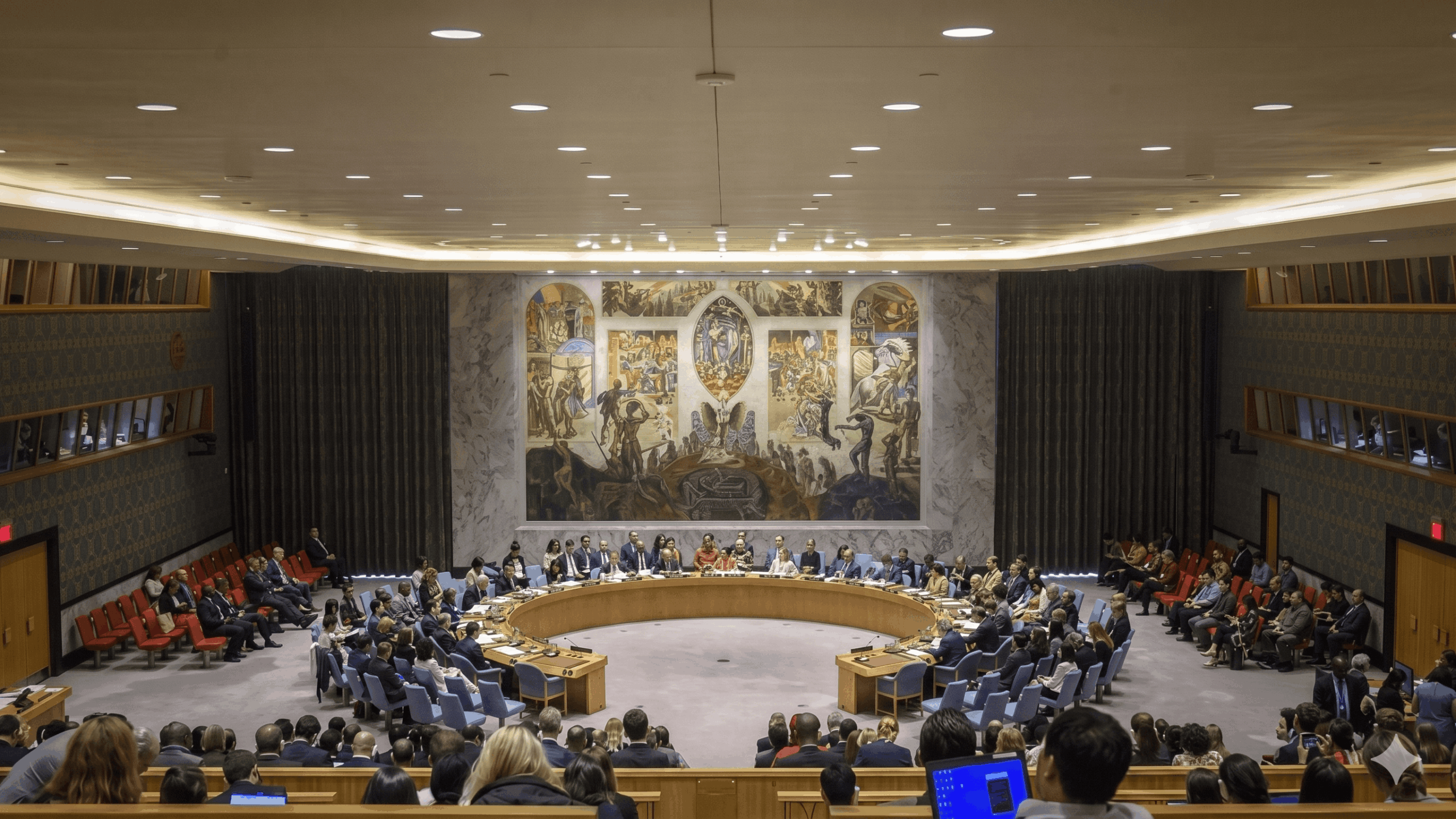
UN Security Council meeting (UN TV)
Amnesty International has welcomed the UN Security Council’s decision to extend the arms embargo on South Sudan for another year, stating the restriction remains critical to protecting civilians amid persistent violence.
In a statement seen by Eye Radio, rights advocates stated that the decision comes amid documented escalations in armed conflict across the country since early 2025, alongside ongoing concerns regarding weapon proliferation and international law violations.
Tigere Chagutah, Amnesty International’s Director for East and Southern Africa, stated that the embargo serves as an important mechanism to limit the flow of weapons used to commit human rights violations, provided it is strictly enforced.
However, rights advocates expressed concern over divisions within the Security Council, noting that some members abstained from the vote or called for the restrictions to be lifted.
Monitors emphasize that unregulated weapons continue to drive civilian casualties and localized instability. In one recent incident on March 1, 2026, armed men from Mayom County in Unity State launched an assault on Abiemnom town, resulting in hundreds of casualties within a few hours. Rights organizations argue that introducing additional weaponry into the current environment poses a direct threat to civilian security.
The embargo renewal follows consecutive reports of cross-border and logistical violations. Investigations by Amnesty International in 2025 revealed the unnotified deployment of armed Ugandan personnel and military equipment into South Sudan starting in March of that year, bypassing the UN Security Council Sanctions Committee.
Additionally, the continued operation of attack helicopters by the South Sudan People’s Defence Forces (SSPDF) strongly indicates an ongoing supply of restricted spare parts. Past monitoring in 2020 also uncovered illicit small arms imports, weapon concealment, and the unauthorized diversion of armored vehicles.
Human rights bodies maintain that weapons continue to facilitate conflict-related sexual violence and other systemic abuses. Despite existing peace frameworks and domestic action plans, monitoring groups warn that a persistent lack of accountability ensures crimes under both national and international law continue with impunity.
Previous Post
Orphan boy battling old injury in Tonj East seeks medical support