Mogadishu (WDN) – Political negotiations between Somalia’s Federal Government and opposition leaders have produced agreement on several core electoral principles, but significant differences remain over the legal framework and administration of the country’s next elections, exposing a persistent divide over whether the process should be shaped through broad consensus or government-led directives.
A comparison of the positions presented during the talks shows that both sides have reached common ground on several fundamental issues, raising hopes for progress toward an inclusive political settlement. However, negotiations remain deadlocked over key questions that will ultimately determine the credibility and legitimacy of the electoral process.
Areas of Agreement
According to information emerging from the negotiations, both the Federal Government and the opposition have agreed in principle that:
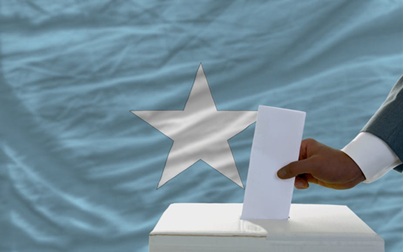
- Somalia should hold one-person, one-vote elections, allowing citizens to directly elect their leaders.
- The country should adopt a multi-party political system to replace the long-standing clan-based 4.5 electoral model.
- Eligible voters should undergo official voter registration to establish a credible national voter register.
The consensus on these principles is widely viewed as an important step toward establishing a democratic electoral framework.
Where the Talks Remain Stuck
Despite agreement on the broad principles, negotiators remain sharply divided over how those principles should be implemented.
Federal Government’s Position
The Federal Government, led by President Hassan Sheikh Mohamud, is advocating:
- Basing the elections on the 2026 Constitution.
- Allowing the Federal Government to appoint the National Electoral Commission.
- Limiting the political landscape to three national political parties.
- Conducting voting electronically and counting ballots through a computerized digital system.
Opposition’s Position
The opposition albeit to varying degrees, with former President Farmaajo’s team presenting their position—has proposed the following:
- Holding the elections under Somalia’s 2012 Provisional Federal Constitution rather than the newly unilaterally adopted constitutional framework.
- Establishing an independent Electoral Commission appointed through a consultative process involving multiple stakeholders to ensure neutrality.
- Conducting voter registration at both the regional and district levels, with political parties participating in monitoring the process.
- Counting ballots manually instead of relying on a fully digital tabulation system.
Consensus or Dictation?
While the negotiations have demonstrated growing agreement on the principle of direct elections, the remaining disputes underscore a broader political struggle over who controls the electoral process. A workable transitional period will be required to reach consensus on the electoral model and establish the legal, institutional, and operational infrastructure needed to implement the agreed path forward.
Opposition figures argue that an election can only gain national legitimacy if its governing rules are negotiated through consensus rather than determined unilaterally by the incumbent administration. They have expressed concern that proposals allowing the Federal Government to appoint the electoral commission, rely on a contested constitutional framework, and define the structure of the party system without broad political agreement risk undermining confidence in the process.
The Federal Government, meanwhile, maintains that its proposals are intended to establish a workable framework for implementing Somalia’s long-delayed transition to universal suffrage.
Negotiators are expected to continue discussions on the constitutional basis of the elections, the composition of the Electoral Commission, voter registration procedures, and the method of vote counting.
The outcome of these talks is expected to play a decisive role in determining whether Somalia can deliver a broadly accepted one-person, one-vote election or whether political disagreements over the rules of the contest will continue to delay the country’s democratic transition.
WardheerNews