Mogadishu (WDN) – While Somalia’s political leadership remains consumed by a prolonged constitutional and electoral standoff, Al-Shabaab is once again demonstrating an unsettling capacity to wage coordinated military operations across multiple regions of the country—raising fresh questions about whether political paralysis is creating dangerous opportunities for the insurgency.
According to reports from the Hiiraan region, fierce fighting that raged for more than 48 hours between Somali government forces and Al-Shabaab ended with the militant group taking control of the strategic villages of Teedaan, Suulaay, and Xasan Raqay after government troops reportedly carried out what officials described as a tactical withdrawal.
The clashes were among the most intense reported in recent months. Local sources said hundreds of fighters from both sides were killed or wounded, with Al-Shabaab believed to have suffered particularly heavy casualties. Independent verification of the casualty figures remains unavailable.
Military sources attribute the setback partly to reported disagreements between the Somali National Army and local Macawiisley community fighters, whose cooperation has been a cornerstone of previous counterinsurgency successes in central Somalia. The reported breakdown in coordination is said to have weakened the government’s defensive positions at a critical moment.
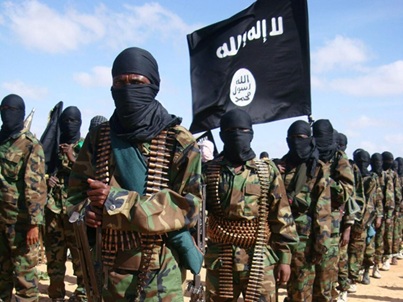
Al-Shabaab, meanwhile, reportedly reinforced its offensive by deploying thousands of additional fighters from other parts of the country, highlighting the group’s ability to rapidly shift manpower and sustain simultaneous operations across multiple battlefronts.
A Movement Fighting on Multiple Fronts
Security analysts say the latest developments underscore a broader trend that has become increasingly difficult to ignore. Despite years of military campaigns, international assistance, and repeated government declarations that the insurgency is nearing defeat, Al-Shabaab continues to demonstrate remarkable operational resilience.
The group has repeatedly shown it can launch coordinated attacks across several Federal Member States while maintaining pressure along the Kenya-Somalia border.
Its ability to reinforce battles in Hiiraan while sustaining operations elsewhere reflects a level of organization, logistics, and command that remains a formidable challenge for Somali security forces. The renewed battlefield momentum comes as Somalia remains mired in one of its deepest political crises in years.
The Federal Government and major opposition groups remain divided over elections, constitutional reforms, and the legitimacy of national institutions. Relations between Mogadishu and several Federal Member States have also deteriorated, limiting the unified national response many security experts argue is essential for defeating Al-Shabaab.
Critics contend that prolonged political confrontation has diverted attention and resources away from counterterrorism operations at a time when the insurgency is adapting and regrouping.
Some political observers further argue that controversial disputes over public land in Mogadishu, which they say have displaced hundreds of thousands of people, have compounded social and economic pressures. They warn that large-scale displacement, unemployment, and weakened public trust in state institutions can create conditions that extremist groups seek to exploit for recruitment, although the extent of that impact remains difficult to quantify.
A Growing Strategic Concern
For many analysts, the fighting in Hiiraan is about more than the loss of several rural settlements. It reflects a broader concern that Somalia’s political divisions are beginning to undermine military gains painstakingly achieved over the past several years.
As government institutions remain preoccupied with political disputes, Al-Shabaab appears intent on projecting strength, demonstrating mobility, and exploiting every opportunity created by fragmentation among its opponents. Whether the latest territorial gains prove temporary or signal a broader shift on the battlefield remains to be seen.
What is increasingly clear, however, is that Somalia’s security and political crises are no longer separate challenges. Each is reinforcing the other. Unless political consensus is restored and military operations are matched by sustained governance, analysts warn that Al-Shabaab will continue to exploit divisions and regain influence in areas once thought to have been secured.
WardheerNews