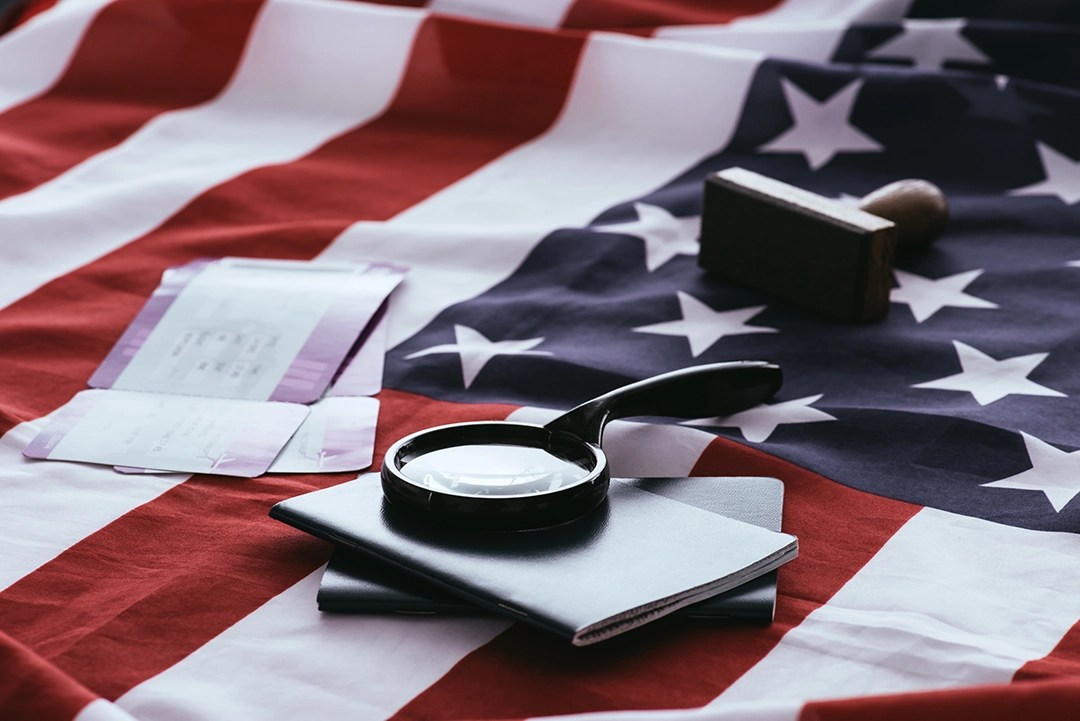
Citizens of five Pacific island nations will continue to face substantial financial requirements when applying for visitor visas to the United States after Washington made its visa bond programme permanent.
The policy applies to passport holders from Fiji, Papua New Guinea, Tonga, Tuvalu and Vanuatu who are applying for B-1 business visas, B-2 tourist visas or combined B-1/B-2 visas. Samoa is not included on the current list of 50 affected countries.
The permanent programme came into effect on 3 August 2026, replacing a 12-month pilot introduced in August last year. Under the new rules, a US consular officer may require an otherwise eligible applicant to pay a refundable bond of US$10,000, US$15,000 or US$20,000 before the visa can be issued.
The US State Department expects US$15,000 to be the standard amount in many cases. Officers may reduce the bond to US$10,000 based on an applicant’s financial circumstances or increase it to US$20,000 when they believe a higher amount is necessary to ensure the visitor leaves the United States on time. Employment, income, education, travel purpose and connections in the United States may be considered during the assessment.
Applicants should not attempt to pay a bond unless instructed by a consular officer. Payments must be made through the official US government Pay.gov system after the visa interview. A family member, friend or business associate may pay on behalf of an applicant, but the person making the payment will also be the person who receives any refund.
The money is returned when US authorities confirm that the traveller departed within the period they were authorised to remain, did not travel before the visa expired, or was denied admission at a US airport. Travellers who overstay or seriously breach the conditions of the bond may lose the entire amount. No interest is paid while the US government holds the money, and the person who paid the bond carries the risk of currency fluctuations and banking fees.
The requirement creates a significant financial barrier for Pacific families travelling to attend weddings, funerals, church gatherings and family events, as well as for people pursuing tourism and business opportunities. Although the bond is refundable, applicants may need to place tens of thousands of dollars under US government control for the duration of their travel.
The US government says the pilot programme produced a major reduction in visa overstays. Its final rule states that the 50 affected countries recorded 45,488 overstays during the 2024 financial year, compared with fewer than 50 during the first 10 months of the bond programme. However, visa issuance from the listed countries also fell by 83 percent, and nearly half of approximately 20,000 applicants subject to the requirement chose not to pay the bond.
US officials say the programme is intended to improve compliance with immigration laws and encourage governments to strengthen identity checks, travel documents and information sharing. Immigration advocates argue that it discourages legitimate visitors and disproportionately affects people from lower-income countries.
The list of affected countries is not fixed. The State Department may add countries after giving at least 15 days’ notice and may remove countries immediately when it determines that the bond requirement is no longer necessary.