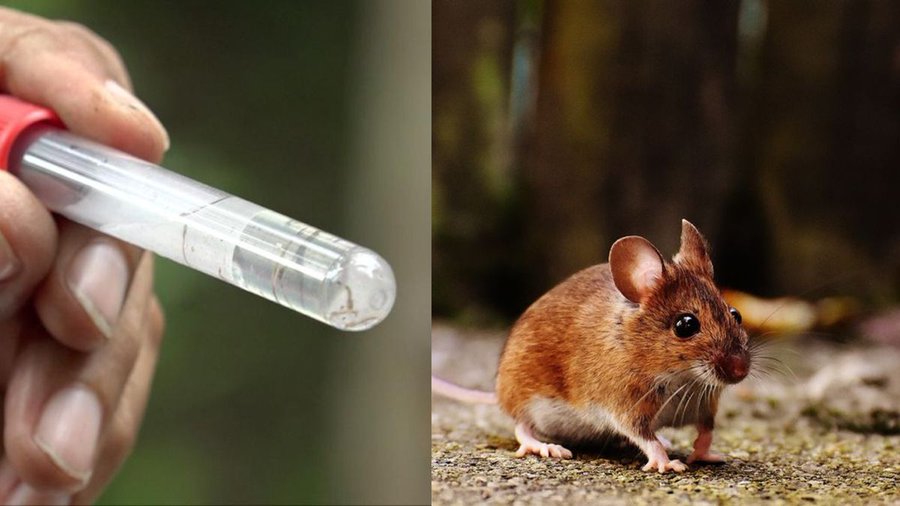
Panama maintains accumulated cases of Hantavirus during 2026, according to the most recent epidemiological report from the Ministry of Health (MINSA). According to official data, no new cases of hantavirus fever or hantavirus cardiopulmonary syndrome were reported during epidemiological week 14. However, the year-to-date total remains at:
- 8 cases of hantavirus fever.
- 6 cases of hantavirus cardiopulmonary syndrome.
Hantavirus is a zoonotic virus that occurs naturally in some rodents and can occasionally be transmitted to humans.
The disease can cause anything from mild fever to severe respiratory complications, depending on the type of infection.
Transmission occurs primarily through contact with:
- Urine, saliva, or feces of infected rodents.
- Enclosed environments contaminated with virus particles.
- Contaminated dust that is dispersed when sweeping or cleaning infested areas.
It can also occur through direct contact with rodents or through bites, although this is less frequent.
Symptoms of Hantavirus
The most common symptoms include:
- Fever.
- Muscle pain.
- Headache.
- Shivers.
- Nausea and vomiting.
In severe cases, especially in Hantavirus cardiopulmonary syndrome, the following may occur:
- Difficulty breathing.
- Cough.
- Shortness of breath.
- Pulmonary insufficiency.
How to Prevent Hantavirus
The authorities recommend:
- Keep homes and surrounding areas clean.
- Avoid accumulating trash or weeds.
- Seal holes and entrances where rodents can enter.
- Wear a mask and gloves when cleaning enclosed or contaminated areas.
- Do not sweep dry areas where mouse droppings are present.
Hantavirus has been present mainly in some rural regions of Panama, so the Ministry of Health maintains constant epidemiological surveillance.
Fatal Hantavirus Outbreak Reported on MV Hondius Cruise Ship Killing 3
World Health Organization director-general Tedros Adhanom Ghebreyesus said Thursday his organization will work alongside a cruise ship operator and governments after cases of hantavirus were reported among passengers. Medical teams, he said, will take care of patients and work to ‘prevent onward spread of the virus.’