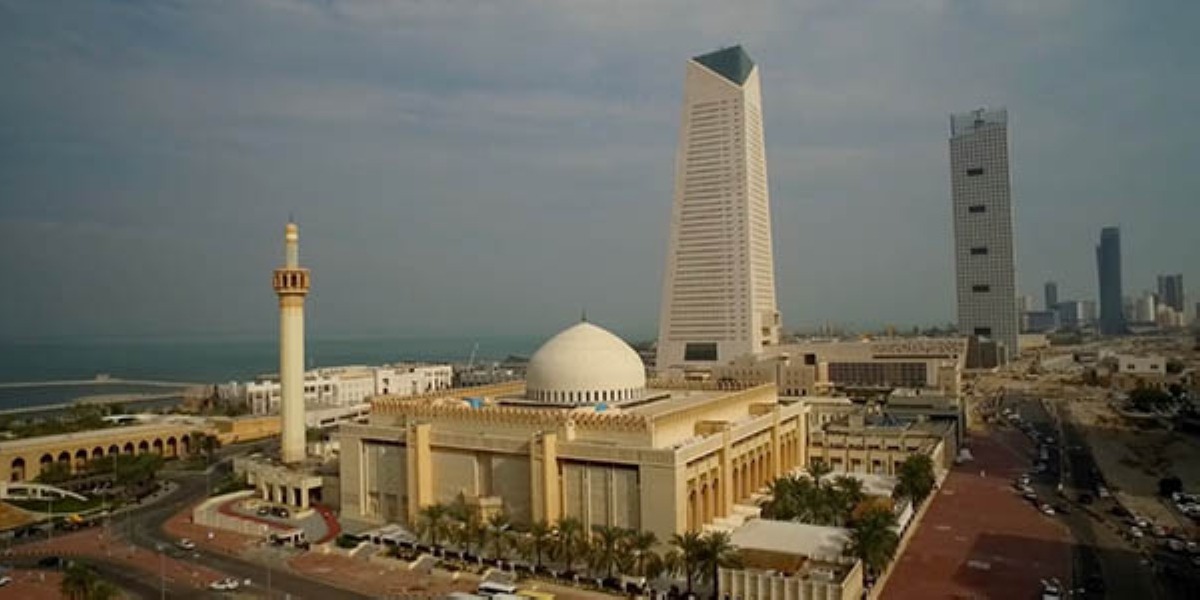
Kuwait has issued Decree Law No. 72 of 2026 regulating the establishment and management of places of worship, introducing a legal framework to protect religious practice and prevent the misuse of such facilities for political or non-religious purposes.
Published in the official gazette “Kuwait Alyawm” today (Sunday), the law consists of 30 articles covering the establishment, licensing, management, oversight, violations and penalties related to places of worship, excluding those established or managed by the Ministry of Islamic Affairs.
The legislation establishes a Committee for Places of Worship, comprising representatives from relevant government entities, to oversee procedures related to approvals, permits and regulatory matters.
According to Article 2, the law seeks to regulate the establishment and administration of places of worship in a transparent manner, promote freedom of religious practice and equality among citizens, while ensuring that places of worship are not used for political activities or purposes unrelated to worship.
Nine Prohibited Practices
The law outlines nine activities which are forbidden inside places of worship, including insulting or promoting hostility against other religions, sects or beliefs, and interfering in the state’s internal or foreign affairs or system of governance.
It also prohibits inciting sectarian, racial, religious or ethnic tensions, promoting extremism or violence, and conducting religious activities or ceremonies outside approved locations in ways that disrupt traffic, security or public order without official permission.
Other restrictions include organizing events without approval, carrying out practices that may harm individuals or threaten public health and safety, communicating with foreign diplomatic or official institutions, using places of worship to influence other countries’ policies, and appointing employees without required approval.
Legal Framework for Religious Practice
The law’s explanatory memorandum highlighted Kuwait’s long-standing tradition of tolerance and coexistence, noting that the country has historically welcomed people from different religions, beliefs and backgrounds.
It referred to the principles of the Kuwaiti Constitution, including Article 35, which guarantees freedom of belief and protects the practice of religious rites according to established customs, provided they do not violate public order or morals.
The memorandum also cited Article 29, which affirms equality among people in human dignity and equal rights and duties before the law without discrimination based on religion, origin, language or gender.
The legislation stated that practical experience demonstrated the need for a clear regulatory framework to ensure that freedom of belief is exercised in an organized and fair manner, while preventing disorder or the monopolization of religious discourse by certain groups.
Six-Month Transition Period
The decree requires the Council of Ministers to issue the executive regulations for implementing the law within six months of its publication, based on a proposal from the competent minister.
Until the regulations are issued, existing laws will remain applicable as long as they do not conflict with the new legislation.
Existing places of worship must adjust their status to comply with the new law and its regulations within six months from the effective date.
The competent ministry will have the authority to close and liquidate the assets of places of worship that fail to comply with the requirements, returning funds to their owners where possible, or managing the assets according to procedures set out in the executive regulations.