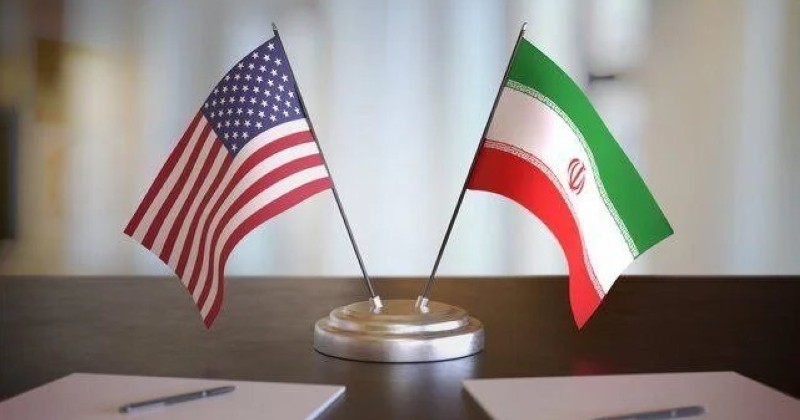
The United States and Iran appear to have entered a fragile pause in direct military confrontation, with Tehran announcing it has halted retaliatory attacks after Washington refrained from launching fresh airstrikes for the first time in nearly two weeks. The lull has raised cautious hopes for diplomacy as Oman continues mediating negotiations aimed at restoring safe navigation through the strategically vital Strait of Hormuz.
According to Iranian officials, no retaliatory military operations were carried out following the absence of overnight US strikes, signaling what may be the first significant de-escalation since the latest round of hostilities erupted. While neither side has declared a ceasefire, the pause is widely viewed as an opportunity to revive diplomatic efforts and prevent the conflict from expanding further across the region.
The diplomatic momentum centers on Oman, which has hosted technical and political discussions with Iranian officials on reopening the Strait of Hormuz and establishing mechanisms to ensure the safe passage of commercial shipping. Iranian Foreign Ministry spokesperson Esmaeil Baghaei described the discussions as “useful” and confirmed that progress had been made, although negotiations remain ongoing.
The Strait of Hormuz, through which roughly a fifth of the world’s seaborne oil passes, has become the focal point of the crisis. Disruptions to maritime traffic during recent weeks have sent global oil prices sharply higher and heightened concerns over energy security and international trade. Restoring safe shipping through the narrow waterway remains one of the principal objectives of the ongoing negotiations.
US President Donald Trump has indicated that while military options remain on the table, diplomacy is currently being given an opportunity. Speaking about the negotiations, Trump said Iran would “love to make a deal,” although he questioned whether Tehran was yet prepared to reach a final agreement. The reported suspension of US airstrikes is believed to have been intended to avoid undermining the sensitive diplomatic talks.
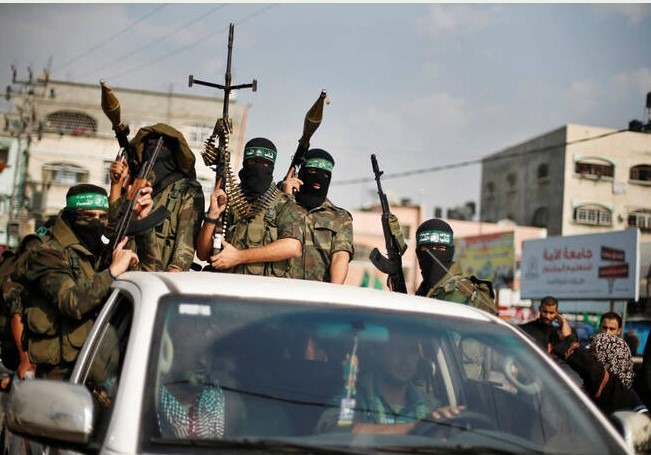
Despite the apparent pause, the broader regional security situation remains volatile. Iran’s Islamic Revolutionary Guard Corps (IRGC) has reportedly continued asserting control over maritime traffic in the Strait of Hormuz, while US naval forces maintain operations in the Gulf. Elsewhere, hostilities have expanded beyond the Gulf, with Iran-backed Houthi forces launching attacks on Saudi energy infrastructure along the Red Sea, prompting retaliatory Saudi strikes and raising fears of another active front in the conflict.
Meanwhile, Kuwait has reiterated its commitment to regional stability. The Ministry of Foreign Affairs condemned repeated Houthi attacks on commercial vessels in the Red Sea, describing them as violations of international law and threats to the security of global maritime navigation. Kuwait has also firmly denied reports alleging its involvement in US military operations against Iran, dismissing such claims as baseless.
Analysts caution that while the current pause has reduced immediate military pressure, it should not be mistaken for a lasting peace. Underlying disagreements over the future administration of the Strait of Hormuz, continued sanctions, military deployments, and competing regional interests remain unresolved. Whether the present lull develops into a broader diplomatic breakthrough or merely represents a temporary interruption in fighting will largely depend on the outcome of the Oman-mediated negotiations in the coming days.