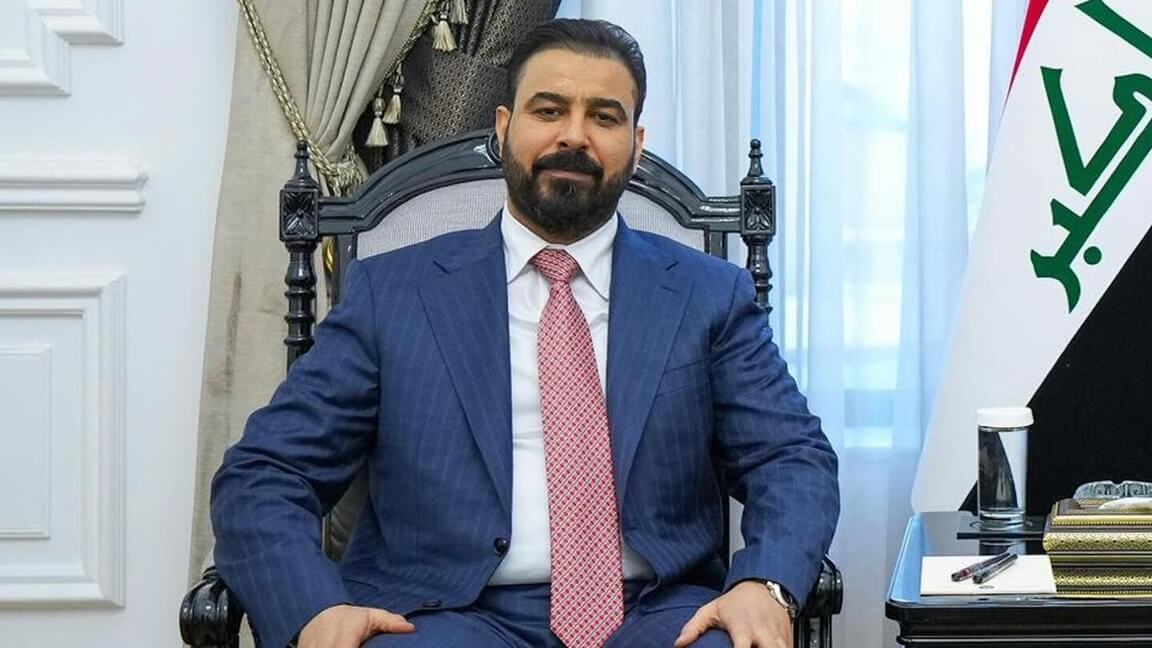
Baghdad (IraqiNews.com) — Prime Minister Ali Falih al-Zaidi delivered a comprehensive policy address during a panel session at the 8th Baghdad Dialogue Conference, organized by the Iraqi Institute for Dialogue on Friday, August 21, 2026.
Al-Zaidi laid out the executive branch’s multi-year development roadmap, assuring public sector salary security, launching structural financial and housing initiatives, and outlining plans to scale crude oil production capacity while enforcing state monopoly over arms and modernizing national infrastructure.
Key Policy Pillars & Strategic Directives
1. Energy Expansion, Pipeline Redundancy & OPEC Targets
- Export Diversification: Baghdad is actively accelerating alternative crude export routes through the Turkish port of Ceyhan, alongside active development for pipeline corridors via Baniyas (Syria) and Aqaba (Jordan).
- Long-Term Export Goal: Iraq is formally requesting an increased OPEC quota reflecting its population size and proven reserves, targeting export capacity of 8 to 10 million barrels per day (bpd) within six years.
- Domestic Fuel Savings: Downstream consumption and fuel management reforms are projected to yield 17.8 trillion IQD ($13.6B) in annual fiscal savings.
- Power Grid & Renewables: The upcoming federal budget will prioritize electricity generation, transmission, and smart distribution, alongside large-scale utility solar deployments.
2. $100B Iraq Development Fund & Private Sector Transition
- Capitalization Architecture: The Iraq Development Fund will be capitalized at $100 billion, financed through Central Bank equity, public stock offerings (IPOs), and co-investments from regional and international development finance institutions (DFIs).
- Tax & Customs Modernization: Instituted pre-clearance import taxation linked directly to official wire transfers (refundable if imports do not clear), coupled with targeted customs duty reductions to encourage formal trade compliance.
- Workforce Shift: Establishing regulatory mechanisms and incentives to shift labor migration from state-dependent employment toward the private sector.
3. State Arms Monopoly & Security Guarantees
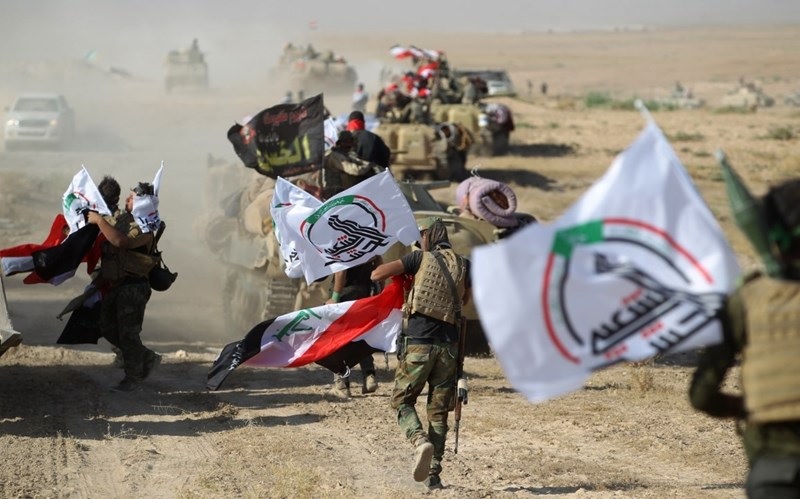
- Consensus on Arms Integration: Al-Zaidi confirmed unified political consensus across parliamentary blocs to consolidate all weapons under state authority, establishing operational mechanisms for weapons handover.
- Investment Safeguards: Emphasized that unregulated weapons outside state command directly repel foreign capital, reiterating that Baghdad will prevent any escalation or military confrontations on Iraqi soil.
4. One Million Residential Plots & Agricultural Programs
- Three-Year Housing Delivery: Finalizing the launch of the “One Million Residential Plots” initiative, providing modern, master-planned housing lands to non-homeowners, with the final beneficiaries receiving land in under three years through the National Investment Commission (NIC).
- Agricultural Enterprise Grants: Allocating designated agricultural parcels paired with structured development loans specifically for agricultural engineers and veterinary professionals.
5. Governance, Procurement Reform & Leadership Pledge
- Ex-Ante Anti-Corruption Audits: Shifting procurement oversight from lagging post-audits to pre-contract price verification and benchmark auditing to eliminate inflated tender pricing.
- One-Term Commitment: Al-Zaidi reaffirmed his formal pledge not to seek a second term as prime minister, stating that the cabinet’s structural reforms are designed for institutional longevity under subsequent administrations.
- Regional Diplomacy: Positioning Iraq permanently as a diplomatic bridge for regional negotiations and conflict de-escalation rather than an arena for regional proxy friction.
Prime Minister Al-Zaidi’s address at the Baghdad Dialogue provides a structural counter-strategy to ongoing fiscal pressures, connecting non-oil revenue reform directly with capital mobilization.
By capitalizing a $100 billion sovereign vehicle, pre-auditing public tenders, and diversifying crude export corridors, the administration aims to transition Iraq from short-term fiscal containment toward large-scale infrastructure self-sufficiency and private-market expansion.