Baghdad (IraqiNews.com) – The Central Bank of Iraq (CBI) issued around 25 trillion dinars to pay governmental expenditures, bringing the total money supply to 125 trillion dinars.
According to media reports, the step took place to counter falling oil income caused by regional interruptions in petroleum shipments.
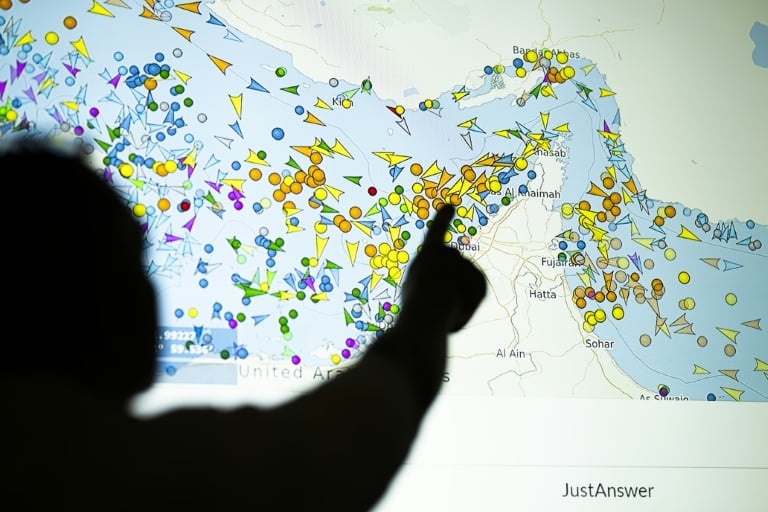
Iraq’s crude oil exports fell by 3.22 million barrels per day in May 2026, a loss of more than 97 percent, owing to continuous disruptions in marine traffic in the Strait of Hormuz caused by the war against Iran.
The revenues generated from oil exports plummeted to $1.87 billion in April, a drop of roughly $5 billion from pre-war levels.
Given Baghdad’s near-total reliance on oil revenues to cover public spending, this dramatic cash outflow threatens to exacerbate the country’s structural fiscal imbalance.
The issuance of more banknotes has caused tremendous economic strain, fueling inflation and diminishing the purchase value of the local currency.
Iraqi Foreign Minister Fuad Hussein has cautioned that the step represents a short-term solution and that extended disruptions in oil shipments might jeopardize public-sector payrolls.
The government issued the 25 trillion dinars to avoid a short-term liquidity crisis, as Iraq’s economy is heavily reliant on oil exports.
The expansion of the money supply at a far quicker rate than economic development feeds inflation and distorts the national currency’s true value.
The CBI sought to stabilize the currency by setting an official exchange rate of 1,300 Iraqi dinars per US dollar for the government budget, but parallel market values remain much higher.