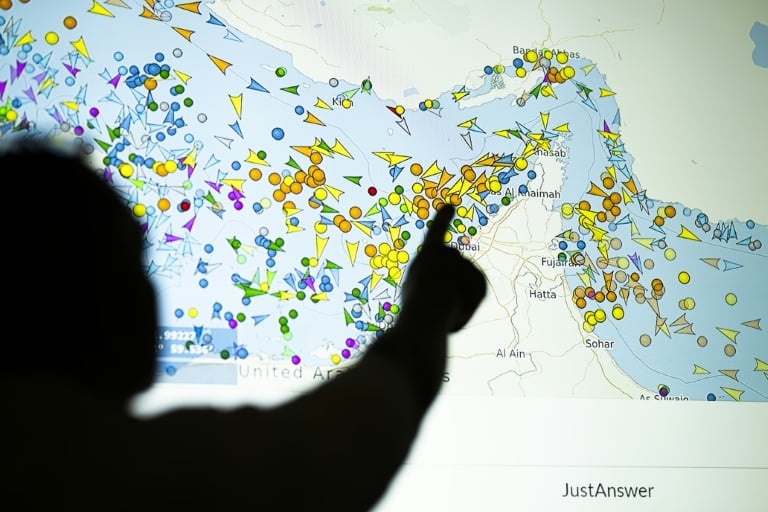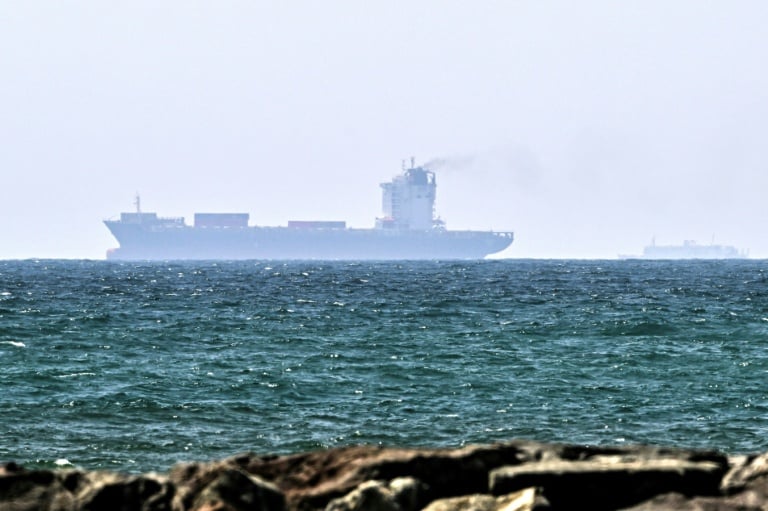
Baghdad (IraqiNews.com) — After months of turmoil in the Strait of Hormuz, which underscored the country’s dependence on the vital waterway and caused a severe hit to state income, Iraq is increasing attempts to establish alternate oil export routes.
The Iraqi cabinet recently authorized plans to significantly increase exports via the Kurdistan-Turkey pipeline network, doubling shipments to around 770,000 barrels per day from about 220,000 barrels per day.
The pipeline connects Iraqi oil resources to Turkey’s Mediterranean port of Ceyhan and has now become one of Baghdad’s most significant options to Gulf export ports.
The decision comes as fresh data reveals Iraq has been one of the most impacted nations from the regional crisis that broke out in late February.
Since the conflict began, Iraq’s exports have dropped drastically.
The nation is heavily dependent on the Strait of Hormuz to reach global markets, statistics from QuantCube Technology published by CNBC said.
The economic toll has been especially harsh since Iraq’s economy is among the world’s most oil-dependent.
In 2025, oil represented well over half of Iraq’s real GDP and supplies around 95% of government income.
Official numbers previously supplied by Baghdad showed shipments via Hormuz plummeting from almost 93 million barrels before the fighting to only 10 million barrels in April, demonstrating the severity of the damage confronting the country’s oil industry.
As Baghdad tries to make up for the loss of revenue from the fall in oil exports, it is facing rising budget strains and increased government borrowing.
Iraq has also been tapping other land routes in recent weeks to sustain its petroleum shipments.
Iraqi officials arranged the transportation of a large convoy of oil tankers via Syria in one of their most important efforts to avoid Gulf shipping channels and minimize dependency on Hormuz.
The action underscores Baghdad’s increasing need for more export outlets amid continued regional turmoil.
The crisis has also intensified attempts to resuscitate infrastructure projects that were long overdue. Iraq is also looking for pipeline linkages to Jordan and Syria as part of a bigger effort to diversify export alternatives and to extend the Ceyhan route via Turkey.
Other Gulf producers have sought alternatives, but Iraq has a worse problem.
Saudi Arabia has continued to have access to its East-West pipeline that links oil sources to Red Sea ports, while the United Arab Emirates has continued to have access to export facilities at Fujairah outside the Strait of Hormuz.
There is no similar large-scale infrastructure anywhere in Iraq outside the Gulf, making the nation extremely susceptible to marine disruption and regional strife.
Shipping traffic through Hormuz has slightly recovered from the height of the crisis, but volumes are still significantly below pre-war levels, and uncertainty continues to weigh on oil markets.
The events of the last several months have reaffirmed a strategic truth for Baghdad: establishing alternate export routes is no longer just an infrastructure objective but a requirement for defending the country’s economic future.