Baghdad (IraqiNews.com) – The comprehensive strategic agreement finalized between Iraqi Prime Minister Ali Falih al-Zaidi and US Presidential Special Envoy Tom Barrack in mid-June 2026 has initiated a structural realignment of Iraq’s energy and defense sectors.
Observers note that the inclusion of five specific American corporate giants signals a calculated shift by Baghdad to secure infrastructure independence, modernize its grid, and protect vital foreign direct investment.
Beyond the high-profile security and tech integration of Elon Musk’s Starlink satellite internet, the bilateral framework introduces multi-billion dollar alternative routing and processing mechanisms designed to reduce systemic geopolitical vulnerabilities.
A senior official from the Iraqi Ministry of Electricity confirmed that Texas-based Excelerate Energy has secured a definitive contract to develop a cutting-edge Floating Storage and Regasification Unit (FSRU) for liquefied natural gas (LNG) at the southern port of Khor al-Zubair.
- Technical Capacity: The floating offshore terminal is engineered to process up to 500 million standard cubic feet (scf) per day of imported LNG, converting it back to its gaseous state to fuel national power generation grids.
- Geopolitical Impact: While minor engineering timelines were previously deferred due to intermittent regional tensions between Washington and Tehran, the project is being actively fast-tracked alongside South Korean technical partners. Ministry officials estimate that once fully operational, the terminal will permanently slash Iraq’s dependence on Iranian natural gas imports by 30% to 35% (with some legislative forecasts pushing toward 40%).
- Avoiding Secondary Sanctions: MP Muhammad Ali Al-Nuaimi, a prominent member of the parliamentary Oil and Energy Committee, noted that migrating toward American firms creates long-term stability. The lawmaker highlighted that strict US compliance frameworks eliminate the massive operational embarrassments previously caused by unilateral sanctions—such as the forced, sudden exit of Russia’s Lukoil from the West Qurna fields.
Among the most significant logistical components of the joint Zaidi-Barrack communique is a formal Memorandum of Understanding (MoU) signed with US investment firm TI Capital to fully rehabilitate the historic Kirkuk-Baniyas oil pipeline.
The strategic trans-national asset, which links northern Iraqi oil fields directly to Syria’s Mediterranean coast, has remained completely dormant and non-operational since the early 1980s. Energy expert Kofand Sherwani estimates that the construction of a modern, highly secured 800-kilometer replacement corridor will require a multi-year development cycle spanning 2 to 3 years, backed by an estimated capital expenditure budget of $4 billion to $5 billion.
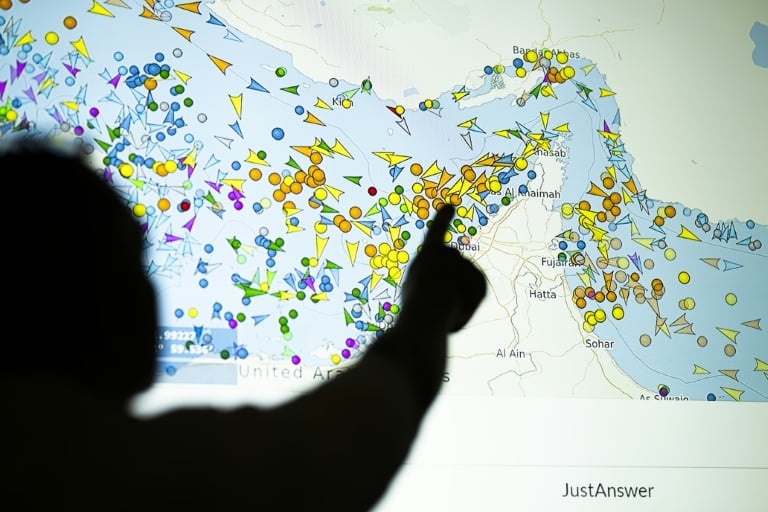
Once revived, the pipeline will serve as a vital maritime bypass, enabling Iraq to safely export its crude oil directly to European markets while neutralizing the threat of potential naval blockades or shipping disruptions in the Strait of Hormuz.
In an unprecedented defense shift, the Iraqi Federal Armed Forces have formally committed to guaranteeing the physical security of the Kurdistan Region’s energy infrastructure.
The sovereign protection framework is specifically tailored to enable three major American upstream operators—HKN Energy, Western Zagros, and Hunt Oil—to immediately resume full-scale production and drilling operations following a prolonged period of partial suspensions and regional asset freezes.
To execute this joint security mandate, Iraq’s top military brass—including the Chief of Staff of the Army, General Abdel Emir Yarallah, alongside commanders from the Iraqi Air Force, Land Forces, and Military Intelligence—conducted a series of comprehensive on-site inspections across strategic energy hubs in Erbil, Sulaymaniah, and Duhok.
Moving forward, federal anti-air units, localized border patrols, and joint intelligence cordons will shield these foreign-operated assets from non-state drone and missile attacks, signaling absolute alignment between Baghdad and Erbil to protect Western capital outlays.