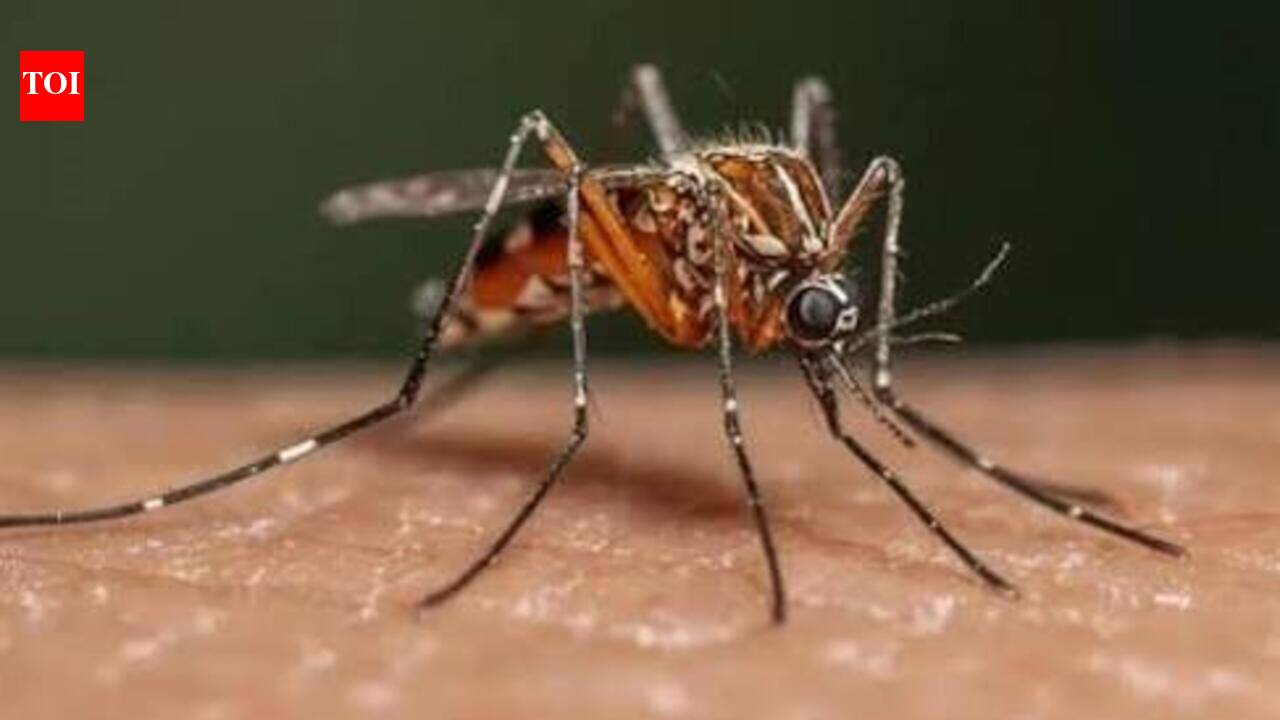
Prayagraj: Intensifying dengue prevention measures and dividing the city into seven zones including Teliyarganj, Allahapur, Dhoomanganj, Mundera, Naini, Jhunsi and Phaphamau, officials of the health department have roped in as many as 21 QRTs (Quick Response Team) comprising one malaria inspector, one supervisor and two spray members along with teams of Domestic Breeder Checkers (DBC) in each QRT for dengue prevention and control.Officials of the health department swung into action after detecting dengue cases in Salori and Govindpur localities involving students preparing for competitive exams. Under the strategy, health officials are interacting with house owners and ensuring a check on water stagnation and mosquito breeding in residential and commercial spaces.The DBCs are also assigned to check outdoor (deserted colonies) and indoor spots, including all the households, at least once a week for any breeding sources of Aedes mosquitoes. They will also check for indoor breeding sources such as refrigerators, tanks, flowerpots, coconut shells and old unused vehicles for the presence of mosquito larvae and will work for their elimination.The DBCs will also undertake fogging activities twice a day in the localities they supervise, particularly in hotspots.District malaria officer AK Singh told TOI: “Anti-larva spray in low-lying and mosquito-prone or affected areas has been taken up extensively.” Figures from the department revealed that 39 dengue cases were reported in the city between Jan 1 and Sept 22 this year.Singh, meanwhile, said, “If any case reported in a particular house or area, our teams would scan at least 50 houses around the affected one and initiate corrective measures accordingly.”The department has also taken up an extensive exercise to create awareness among residents to not allow water to stagnate in their surroundings. QRT teams have also been assigned to educate residents in the city’s low-lying areas, where the majority of the dengue cases were reported in the past three years.Officials claimed that all measures are being taken to ensure proper sanitation and fogging was also carried out in the city on a regular basis. They said the support of locals was essential to make areas mosquito-free.Dr Singh said: “Efforts are being made to find out all spots that have turned into mosquito breeding grounds, and for that, the nagar nigam area is conducting a survey of different wards, particularly those pockets that reported maximum dengue cases last year.”