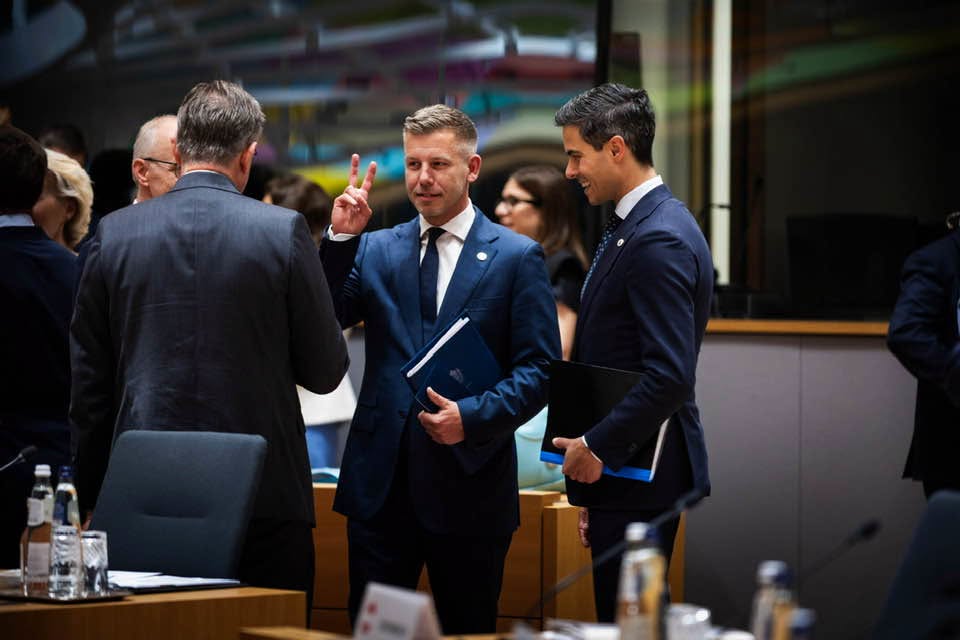
The government is creating a transparent and anti-corruption environment for all companies and would like to see as many investors as possible come to Hungary from Bavaria as well, Prime Minister Péter Magyar said.
The prime minister met with Bavarian Minister-President Markus Söder, and at their joint press conference he stressed that Bavaria is clearly the most important economic and trade partner among the German federal states.
Bavarian-Hungarian relations are forward-looking and can be built on strong foundations, with partnership-building taking place in a spirit of agreement and with a clear identification of shared goals, Péter Magyar stated. Regarding economic ties, he noted that at least 140 Bavarian companies employ 57,000 people in Hungary.
Among the economic topics discussed, he mentioned high-tech sectors, artificial intelligence, research, innovation, pharmaceutical research, and the defense industry.
He also spoke about the fact that they hold similar positions on EU issues — for example on cohesion policy and the common agricultural policy — and that they have a similar view of the challenges facing the EU. Measured, moderate, and well-grounded voices are needed, because Europe is not in an easy position, he said.
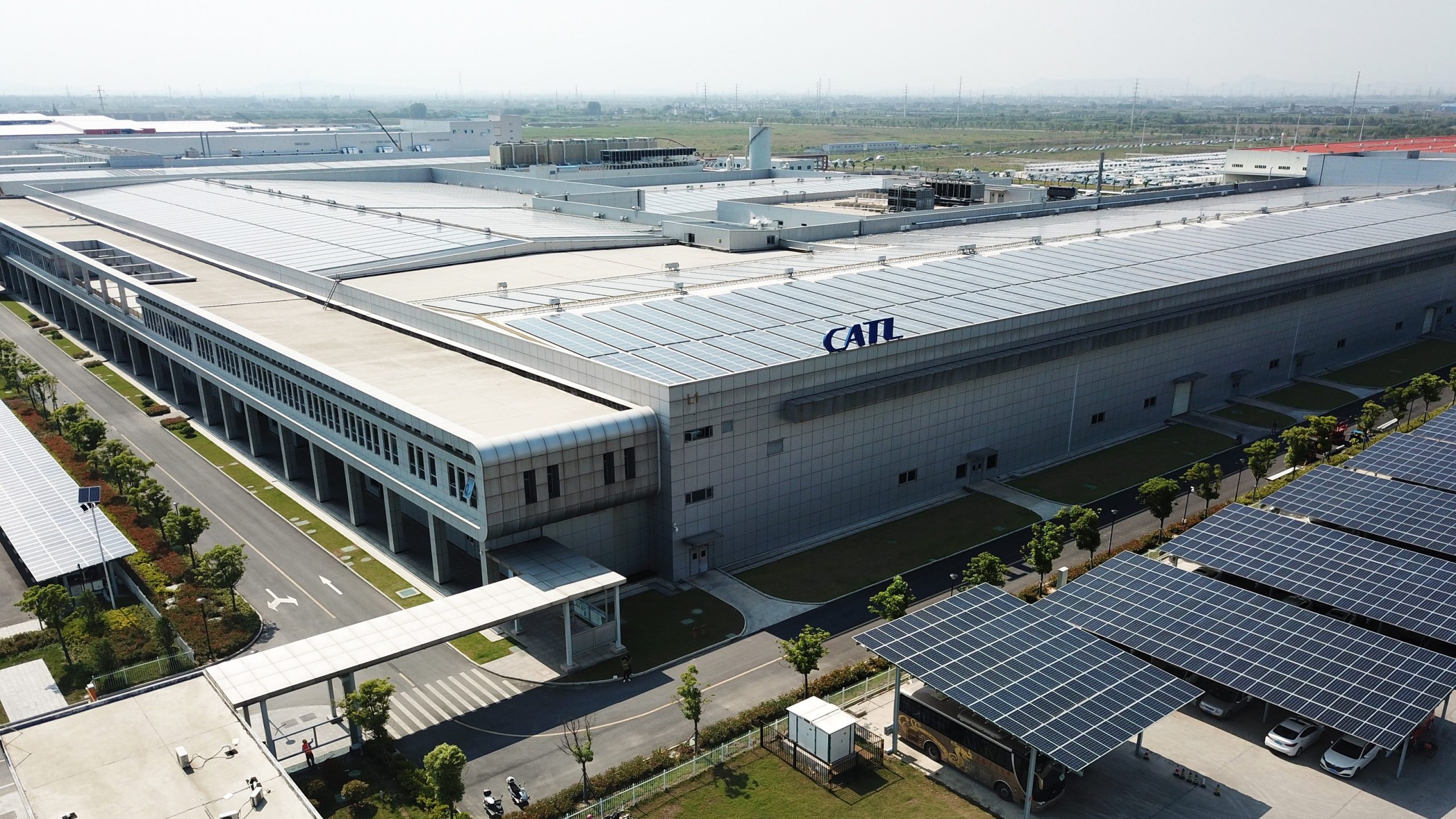
Responding to a question about former Foreign Affairs and Trade Minister Péter Szijjártó’s employment at Chinese automaker BYD, the prime minister said that Szijjártó’s “signing” may raise questions in Hungarian domestic politics, but that he would be very glad “if Péter Szijjártó’s role were the biggest problem facing the European automotive industry, or in terms of growing Chinese influence.” It is a negligible factor, he added.
In response to another question — namely, whether Hungarian and Bavarian car manufacturers consider each other competitors — the Hungarian prime minister said that he and the Bavarian premier had also discussed the fact that they should not view each other as competitors.
He elaborated that Europe has made a great many mistakes in regulating not only the automotive industry but industry in general. What can be done now, he explained, is to strengthen European supply chains and try to keep automotive or other industrial and service capacities within Europe.
Péter Magyar believes that if nothing is done, if they are not able to become more competitive, if they are not able to support their companies, if they do not make “more effective and logical decisions,” then BMW’s certain capacities may come to Hungary but then move further east, to Asia.
According to the prime minister, Europe can compete through higher added value, and “not by slamming the door on China,” since Europe is dependent on the Asian country in many respects, and therefore regulated cooperation is needed — a comprehensive European strategy.
Artificial intelligence was used for the translation of parts of the original Hungarian text.