by Dr Ishma Harford
Stress is inescapable. We are often reminded not to let it get the best of us, told to keep our chins up, and warned that it drives up our blood pressure. But the truth about stress is much more complex than most of us know or admit.
Firstly, there are 2 distinct types of stress. There is the short-term unease we feel when faced with a challenge that we feel unprepared for. Our bodies react with a cocktail of hormones that mobilise mental and physical resources in the short term, and once we triumph, we return to a baseline of calm and alertness. This is the ideal scenario: challenge, mobilisation, resolution. Fight-or-flight allows us to live another day, but is unsustainable when the stress remains all day, every day.
This acute stress has been the victim of poor publicity. We often fear it because we are told it harms us, when its biological intent is the exact opposite. In fact, research shows that when we consciously reframe our mindset to view acute stress as an enhancing challenge rather than a debilitating threat, our physical response actively changes. By shifting our perspective, short-term stress actually builds our capacity and improves our performance.
But what happens when the short-term stress never ends? What happens when we cannot escape the disadvantages stacked against us? When we have bills to pay, families to care for, and endless responsibilities, but never quite enough resources to get everything done.
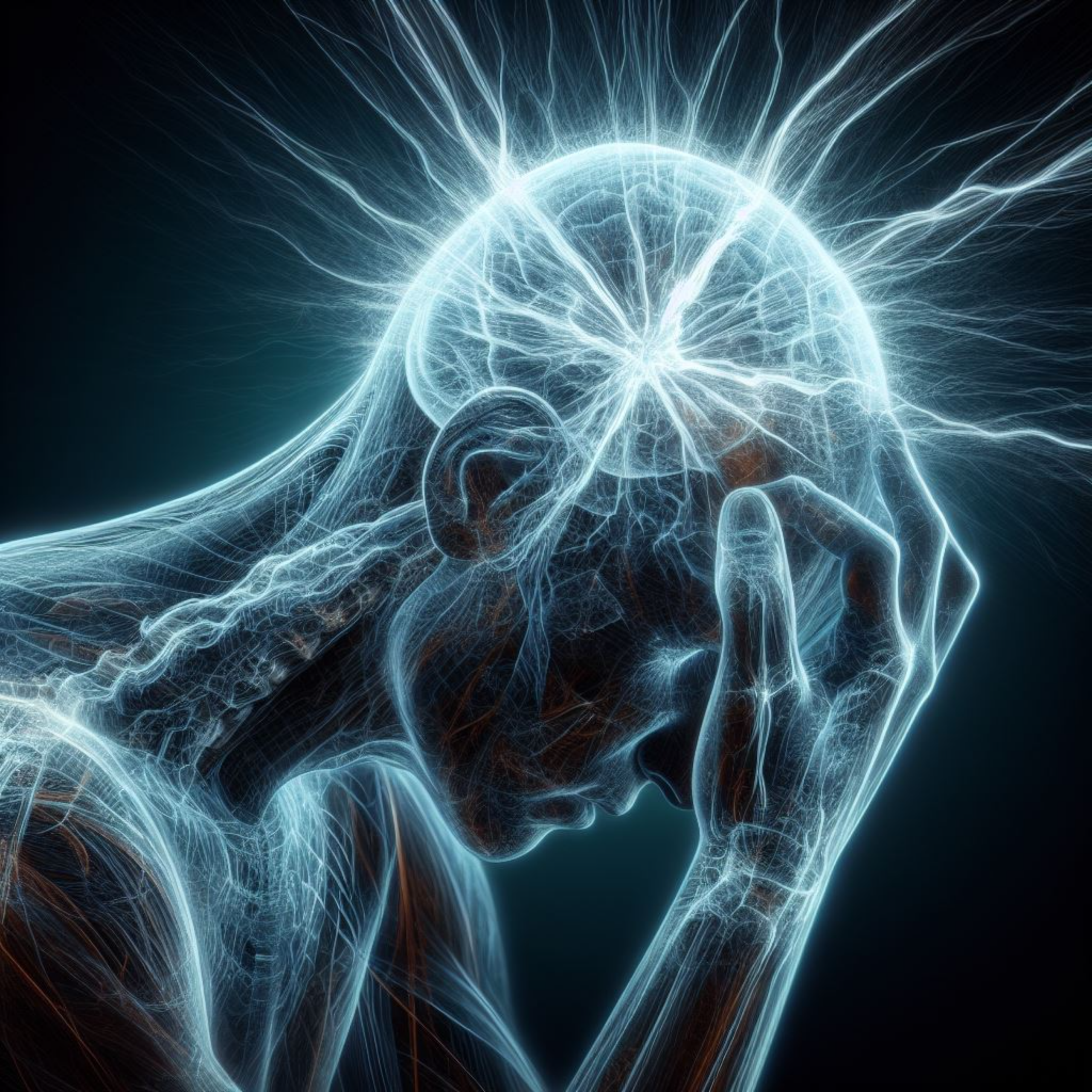
This continued burden on the mind and person gives way to a much more insidious physical state. Science calls this allostatic load, which describes accumulated wear and tear on the body and mind. The term might be unfamiliar, but we all know how it feels: a continuous state of perceiving a looming threat, keeping us locked in the fight-or-flight response.
Our brains dutifully help us adapt by dulling the acute response so that we can deal with the task at hand, but we never truly escape it. Chronic stress (allostatic load) overworks our nervous system in ways that cannot simply be “reframed” away with a positive mindset. Over the years, it shows up in our health. Brain fog, anxiety, chronic fatigue, burnout, and high blood pressure are among the consequences.
The stress that we learn to live with, always lingering in the background, slowly eats us alive.
Then, you sit opposite a doctor who says that you must simply “manage the stress.” But it is never as simple as it sounds, and anyone who has ever been told to stop stressing knows it.
Dr Ishma Harford is a medical doctor and a Commonwealth Scholar completing a master’s degree in Health Analysis, Policy and Management. The Health Imperative is an educational, non-partisan column about health, the system that delivers it, and all the implications in between.
NOW Grenada is not responsible for the opinions, statements or media content presented by contributors. In case of abuse, click here to report.