As part of a Caribbean tour, Commander in Chief Fidel Castro arrived in Grenada on 2 August 1998.
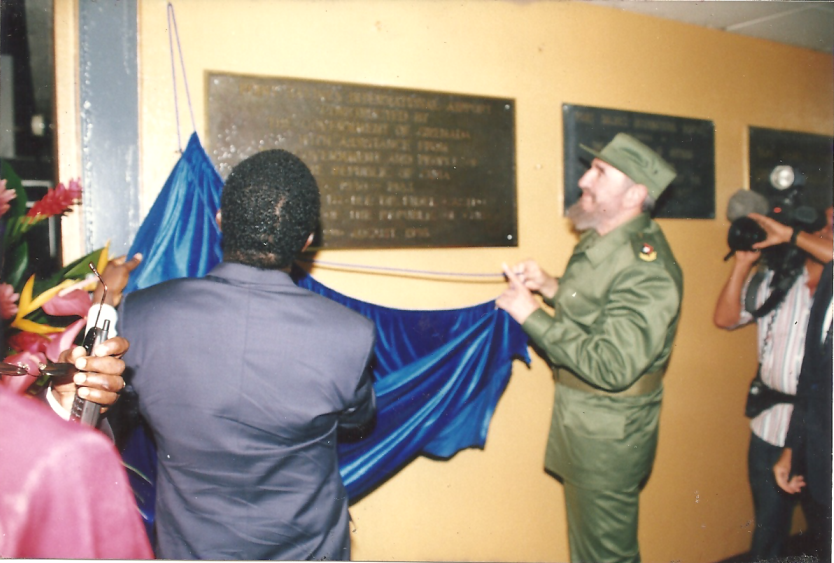
Minutes after landing, still at Point Salines International Airport — today Maurice Bishop International — the leader of the Cuban Revolution unveiled a plaque in tribute to the 24 compatriots who fell during the US invasion of 1983.
Fidel’s trip to Grenada took place in a context of renewed bilateral relations. After years of estrangement following the 1983 invasion, both governments sought to rebuild trust and open new opportunities for cooperation. Thus, Fidel’s presence in Grenada symbolised the determination to move toward a revitalised relationship.
Fidel Castro’s arrival at the airport in August 1998. Photo: Embassy of the Republic of Cuba in Grenada
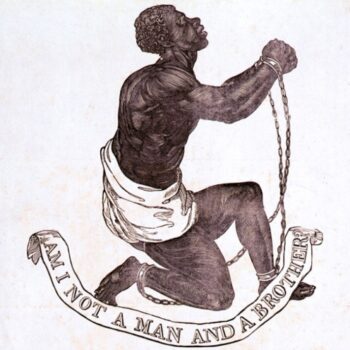
The day after the Cuban delegation’s arrival, Fidel, speaking at the Tanteen Recreation Ground, shared reflections on colonisation, slavery, and the challenges faced by the Third World under the dominance of transnational corporations. The Cuban leader emphasised that the true wealth of nations lies in their human resources. By this he meant the capacity of peoples to educate, train, and cultivate talents that sustain their sovereignty. For the Cuban revolutionary, small nations such as those of the Caribbean could not measure development solely in economic figures, but in the preparation of their citizens.
The summer 1998 visit to Grenada was a moment of political reaffirmation. Together with then Prime Minister Keith Mitchell — a Grenadian leader who greatly contributed to the recovery of relations between the 2 countries — Fidel highlighted the importance of relaunching bilateral ties, which had stagnated after the US invasion. That gesture opened a new chapter in Cuba–Grenada relations.
Thus, Fidel’s presence on the small Caribbean island had an impact that went beyond protocol. It confirmed that, despite years of distance, Cuba and Grenada could reconnect and project new forms of cooperation. His visit left a mark on the country’s political and social life, reactivating spaces for dialogue and opening possibilities in strategic sectors such as health, education, and technical training.
Today, 28 years after that historic occasion, Fidel’s visit to Grenada endures as a symbol of unity. It is not merely a remembrance of a past event, but a reference point for confronting the current challenges of the Caribbean.
Embassy of the Republic of Cuba in Grenada
NOW Grenada is not responsible for the opinions, statements or media content presented by contributors. In case of abuse, click here to report.