by Rochelle
Grenada is no stranger to the raw power of the elements, and as our island continues to navigate shifting economic tides and infrastructural growth, our long-term resilience depends heavily on how the wider Caribbean handles its next major crisis.
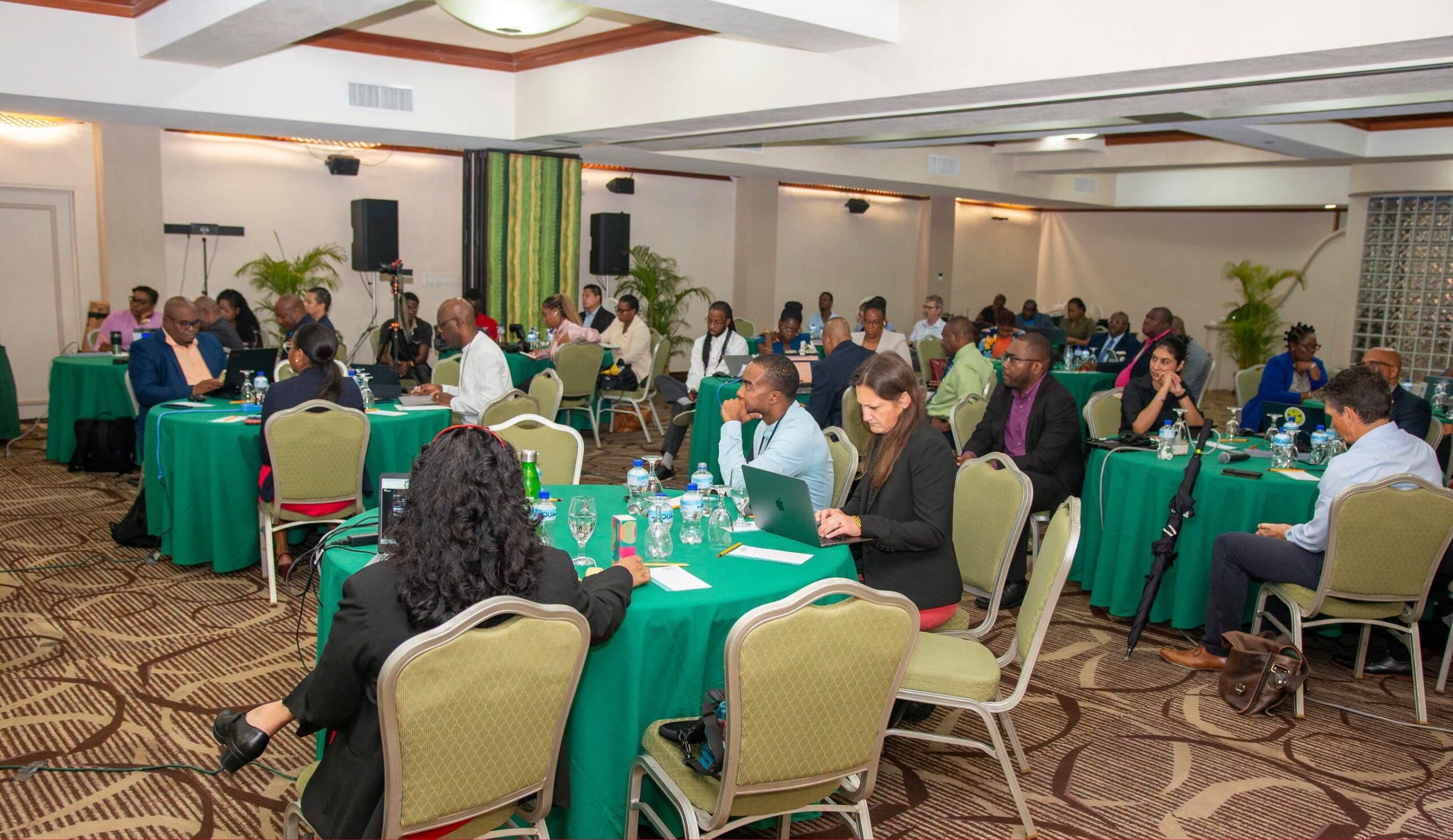
When the Caribbean Disaster Emergency Management Agency (CDEMA) recently gathered National Disaster Coordinators and regional experts in Barbados on 14 August to shape the “Next Level Regional Response Mechanism (RRM),” it was framed as an upgrade to regional architecture. But this is about much more than strategy documents or regional workshops. It touches on a fundamental question: when a major multi-hazard event hits our shores, how fast can we actually get help, and how well will our supply chains hold up?
For decades, hurricanes have dominated the region’s disaster experience and response planning. But the risk environment is becoming increasingly complex. As CDEMA’s Deputy Executive Director Lt. Col. Kester Craig pointed out during the recent validation sessions — the region is now confronting cascading hazards, supply-chain disruptions and other increasingly complex threats.
That shift is already being reflected in CDEMA’s work on the ground. Through its Regional Training Centre, the agency is strengthening Emergency Operations Centre management capacity, with 33 participants from seven territories recently taking part in training in Antigua and Barbuda — focused on coordination, operational continuity and decision-making before, during and after disasters. The training is also intended to build a regional cadre of instructors who can expand the reach of CDEMA’s upgraded EOC Management Course.
For an island nation like Grenada, supply chain vulnerability is an immediate, everyday reality. As a country heavily reliant on imports for food, fuel and construction materials, disrupted regional ports or maritime routes during a multi-island crisis could quickly affect access to essential goods. While CDEMA pushes for a modernised logistics, communications and information management framework — local stakeholders must ask how these regional blueprints protect vulnerable import-dependent economies like ours.
This puts a spotlight on another persistent vulnerability: the difficulty of moving people and essential supplies between islands. Relief operations depend on reliable air and sea links, which can come under significant pressure during a regional crisis. If regional logistics do not account for these realities, even the most advanced response strategy could struggle to deliver assistance where it is needed.
The responsibility does not stop at the regional level. NaDMA and local disaster coordinators must ensure that our national protocols keep pace with these new “Next Level” demands. Preparedness plans for St George’s and our sister islands must be closely aligned with CDEMA’s evolving framework, and that requires more than having plans on paper. It requires mutual aid, institutional cooperation and a clear understanding of what happens when local resources are stretched thin.
A more agile, technology-driven and proactive disaster response mechanism also forces Grenada to look inward. Our domestic agencies must be prepared to work within this evolving regional framework, with clear protocols, strong coordination and the capacity to act when local resources are stretched thin. When the next emergency strikes, our resilience will depend in part on how tightly woven that regional safety net truly is.
NOW Grenada is not responsible for the opinions, statements or media content presented by contributors. In case of abuse, click here to report.