Environmental and social organisations including criticised the agreement, saying that a green gas quota places a financial burden on consumers without making an effective contribution to climate protection.
Mira Jäger, energy expert at environmental organisation Greenpeace, said the proposed reform amounted to “a big present for the oil and gas industry” and would “burry climate action in the buildings sector.” Since the green additives that are supposed to be mixed into fossil fuels are scarce and expensive, a rise in gas grid fees is to be expected, Jäger said.
Energy industry association BDEW said the fact that gas and oil heating systems may continue to be installed in the future risks that climate targets in the buildings sector will not be achieved, and come with “cost increases and lock-in effects.”
The critics are particularly concerned with expected increases in gas grid fees. More and more households disconnect from the heating gas networks after having switched to heat pumps or district heating. This means the shrinking number of remaining users will have to carry the entire network’s running costs – or that operators decide running the network is no longer viable and shut the grid down.
“Anyone who installs a gas heating system now can no longer expect to be able to use it for long – simply because of the exploding grid fees,” said Till Irmisch, energy policy advisor at the Munich Environmental Institute. According to a report commissioned by the institute, households that continue to rely on gas heating systems in Germany may face additional costs of more than 4,000 euros per year by 2045 due to rising grid fees.
“This law completely loses sight of the people. It protects fossil fuel business models – and at the same time jeopardises the climate, affordability and social cohesion,” said Barbara Metz, head of NGO Environmental Action Germany (DUH).
Other risks include the additional costs of gas with additives, as these are usually not so widely available and more expensive. According to DUH, this makes green gases and fuels too scarce and valuable to be used on a large scale in the heating sector.
An analysis by price comparison website Verivox showed that the current average price of biogas tariffs is around 25 percent higher than the price of conventional fossil gas ones.
Utility association VKU warned that the green gas quota might turn out to be a sham, lulling consumers into a false sense of security and then costing them dearly. “We do not currently see how the ramp-up of green gases, and biomethane in particular, for blending into the gas grid can be massively increased without causing further cost increases for owners and tenants,” VKU head Ingbert Liebing said.
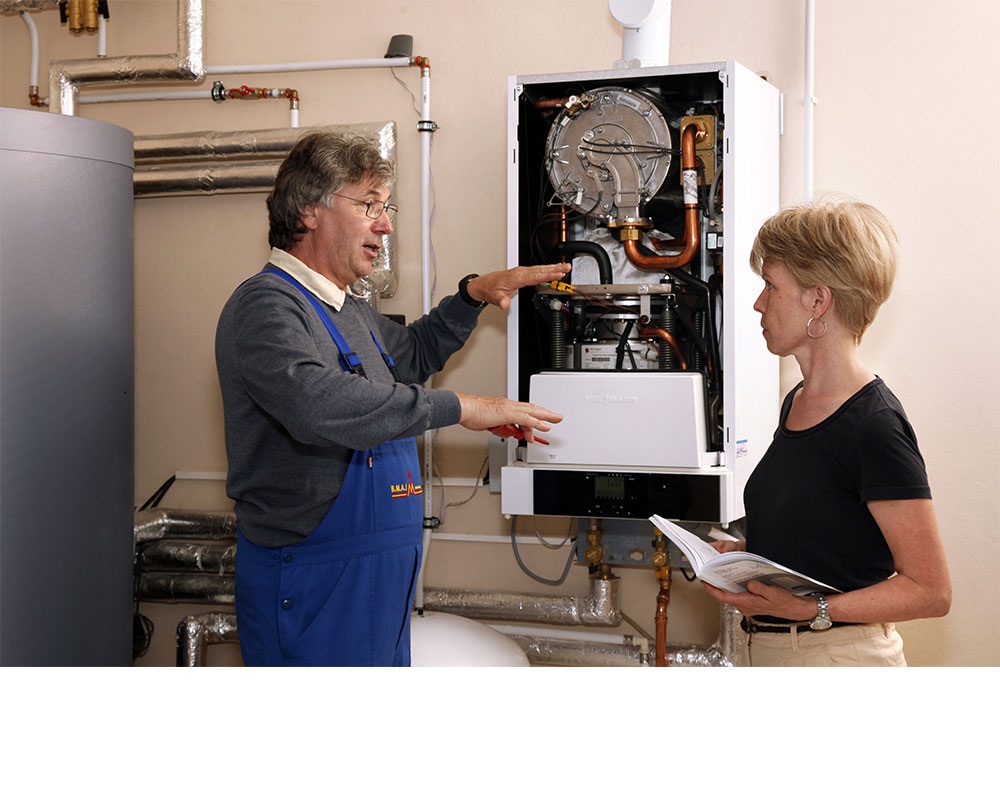
Meanwhile, a report by non-profit consultancy co2online concluded that the cost of buying and running a new gas boiler in Germany is predicted to be twice as high as a heat pump over a 20-year period. This is largely due to the rising CO2 price, which makes burning fossil fuels more expensive year-on-year to incentivise the move to cleaner alternatives.