
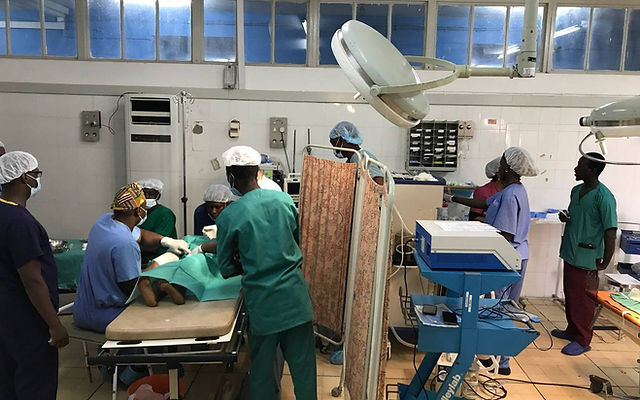
When people say “Gambia hospitals data isn’t accurate”, they’re usually talking about the health facility data and record-keeping systems, not that the hospitals themselves are fake. The main issues documented are:
- Weak Health Information Systems
Gambia’s public health sector lacks widespread electronic medical record systems and database management. About 60% of hospitals/clinics don’t have EHR systems, and 66% lack proper database management. Most records are still paper-based, which makes data easy to lose, duplicate, or misrecord. 200a - Data quality problems in facility registers
A 2016 UNFPA assessment of 37 health facilities found gaps and weaknesses in the FGM obstetric/reproductive health registers. Common issues:
- Incomplete records and missing data fields 2d572001
- Delays in data sharing/reporting 2001
- Misclassification of expenses and incomplete documentation 0cc9
- Weak audit trails for donor-funded transactions 0cc9
- Disconnect between national and international databases
International databases often lack service provision and resource data for The Gambia. When national authorities don’t report data, organizations fill gaps with modeled estimates that don’t reflect ground conditions. That creates distortions in what gets published about hospital capacity, staffing, etc. 8ea8 - Human resource and IT constraints
The health sector has a human resource base lacking in numbers and specialized IT skills. Clinicians are willing to use HIS systems, but the lack of IT expertise and electronic systems limits implementation. 200a - Broader “health data poverty” issues in Africa
The Gambia faces the same problems as many African countries: undigitized clinical data, siloed systems, lack of standardized collection processes, and program-specific databases that change frequently. The result is “garbage in, garbage out” when analyzing data.
What this means practically:
If you look up hospital bed numbers, surgical volumes, or disease stats for The Gambia online, they’re often outdated, incomplete, or estimated. The hospitals themselves do provide care, but their record-keeping systems don’t consistently capture and report accurate data.
The Ministry of Health has been working with UNFPA and others to improve this through DHIS2 and better registers, but it’s still a work in progress.


