
Facebook Twitter Email Messenger LinkedIn Viber WhatsApp
The National Water and Electricity Company (NAWEC) has defended itself against mounting public criticism over the country’s worsening power outages, insisting that the current electricity crisis is the result of external disruptions rather than a failure of The Gambia’s energy system.
Speaking at the government’s monthly press conference held on Tuesday at the Sir Dawda Kairaba Jawara International Conference Centre in Bijilo, NAWEC Deputy Managing Director, Sumpo Ceesay, acknowledged the frustration being experienced by households and businesses across the country but maintained that the utility is confronting an extraordinary situation.
As blackouts continue to spark outrage among consumers, Mr. Ceesay told journalists that the current crisis should be viewed as a temporary setback rather than evidence of a collapsed electricity network.
“What we are experiencing now is just a glitch. It is not a system failure but rather an unexpected situation that we are trying to address,” he said.
His comments come at a time when many Gambians have expressed anger over prolonged and frequent power cuts that have disrupted businesses, affected water supply systems, damaged electrical appliances and left residents struggling with daily activities.
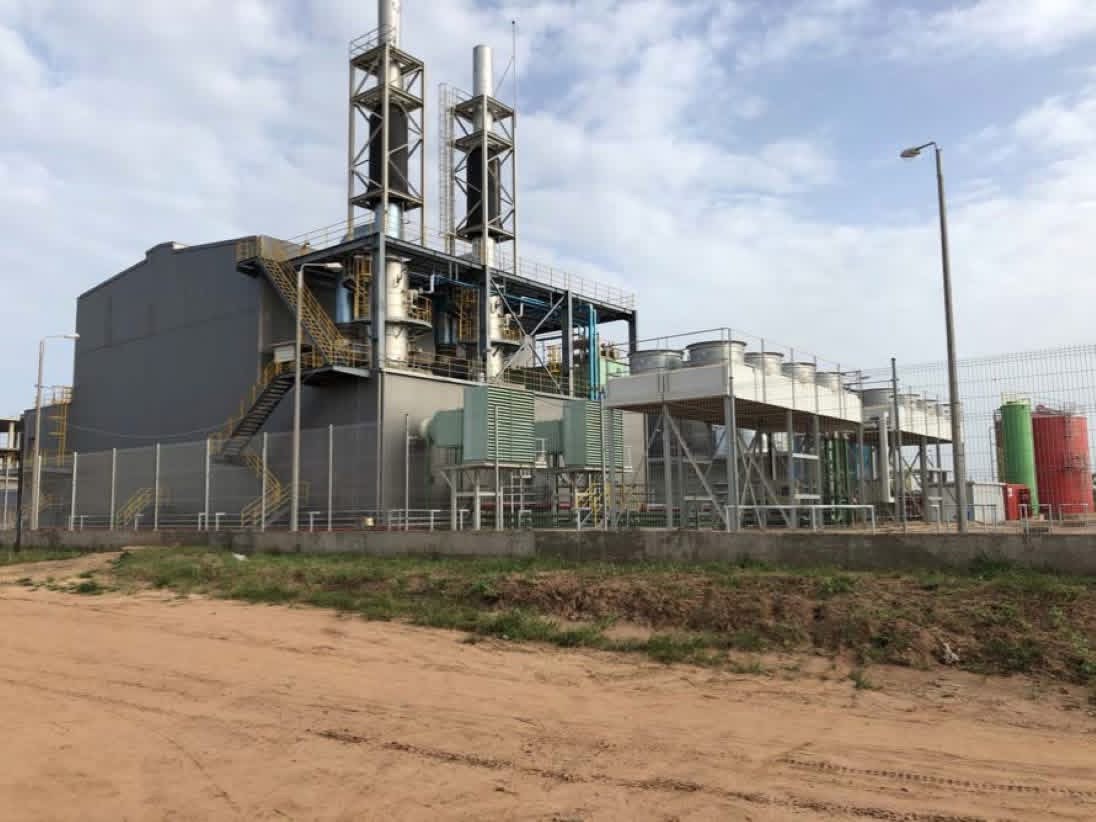
According to him, one of the major challenges facing NAWEC is the delay in receiving critical spare parts needed to repair key generators.
He revealed that parts ordered for some engines at the Brikama power station have been delayed due to shipping disruptions linked to the conflict in the Middle East.
The NAWEC official explained that the equipment had already been shipped through Dubai when the crisis escalated, forcing cargo operators to seek alternative routes and delaying delivery to The Gambia.
He also disclosed that the utility has spent heavily on fuel procurement and generator maintenance in an effort to maintain electricity supply during the crisis.
Mr. Ceesay argued that despite the current outages, significant progress has been made in the country’s energy sector over the past decade.
He said more than 90 percent of Gambian households now have access to electricity, compared to much lower levels in previous years, while national electricity demand has nearly tripled due to rapid urbanisation and increased household consumption.
The Deputy Managing Director further defended NAWEC’s strategy of importing electricity through the OMVG regional interconnection network, describing it as a cost-effective approach that helps prevent even higher electricity tariffs for consumers.
While acknowledging public dissatisfaction, he assured Gambians that efforts are underway to restore stability to the national grid and bring additional generation capacity.
By Adama Makasuba
Post Views: 20
Facebook Twitter Email Messenger LinkedIn Viber WhatsApp


