Your support helps us to tell the story
From reproductive rights to climate change to Big Tech, The Independent is on the ground when the story is developing. Whether it’s investigating the financials of Elon Musk’s pro-Trump PAC or producing our latest documentary, ‘The A Word’, which shines a light on the American women fighting for reproductive rights, we know how important it is to parse out the facts from the messaging.
At such a critical moment in US history, we need reporters on the ground. Your donation allows us to keep sending journalists to speak to both sides of the story.
The Independent is trusted by Americans across the entire political spectrum. And unlike many other quality news outlets, we choose not to lock Americans out of our reporting and analysis with paywalls. We believe quality journalism should be available to everyone, paid for by those who can afford it.
Your support makes all the difference.Read more
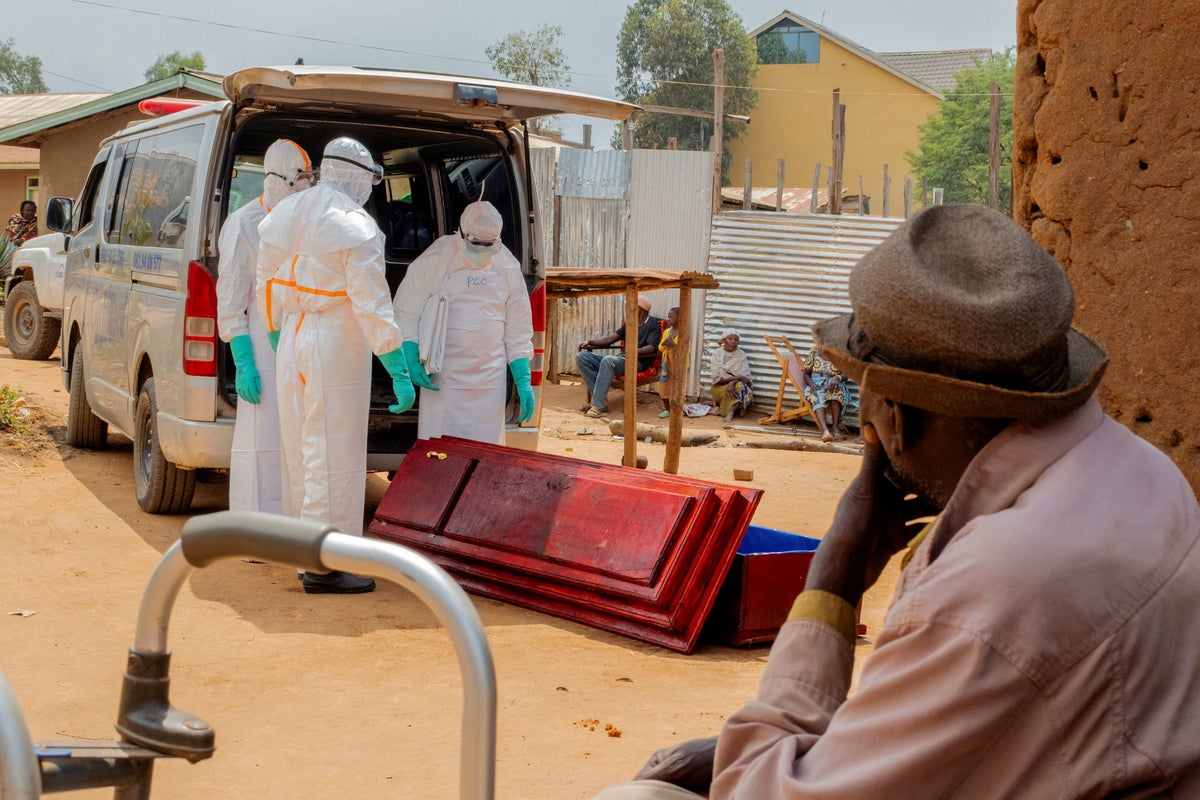
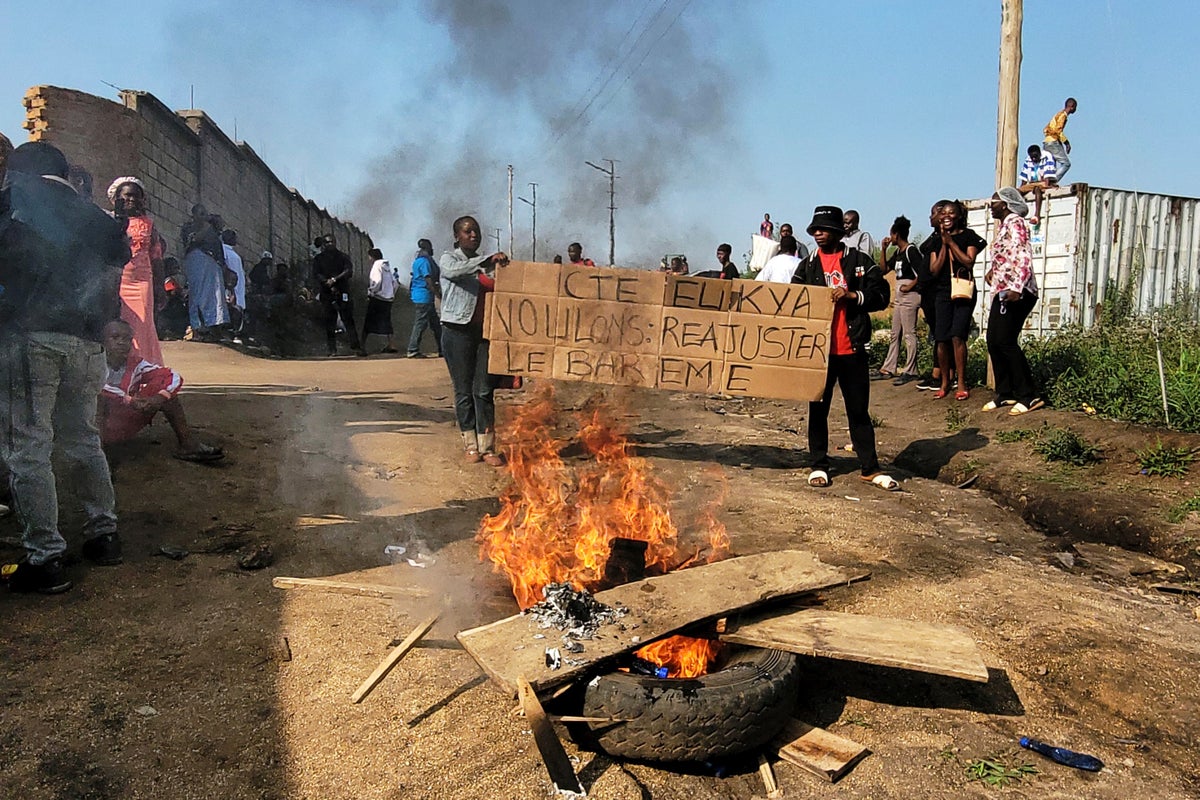
Congolese authorities have reported one of the highest increase in Ebola cases in one day, as weak contact tracing, insecurity and funding gaps continue to hinder the response a month after the outbreak was declared.
The Congolese Ministry of Health said Sunday 72 new cases were reported in a 24-hour period, bringing the total number of confirmed cases to 782. This includes 181 confirmed deaths, after 32 new deaths were confirmed.
However, the number of cases in Congo is believed to be higher because the outbreak was confirmed on May 15, weeks after it is suspected to have begun, and the contact tracing coverage rate is at 56%, a sharp decrease from last week.
The latest Ebola outbreak is caused by the rare Bundibugyo virus, which has no approved vaccine or treatment, unlike the Zaire virus, which was responsible for most of Congo’s past 16 outbreaks of the disease.
Fifty-six people have recovered, and the current fatality rate of the outbreak is 23%, the ministry said.
The World Health Organization said Sunday it is intensifying testing and contact tracing and treatment.
Africa’s top health body said the same day it is deploying technical expertise and supporting laboratory systems, active case finding and community engagement efforts to accelerate the response to the disease outbreak.
“We remain committed to supporting affected countries until transmission is stopped. We call on partners and donors to urgently mobilize resources to strengthen the response and save lives,” said the head of the Africa Centers for Disease Control and Prevention, or Africa CDC, Jean Kaseya.
The outbreak is concentrated in Congo’s eastern province of Ituri, which accounts for more than 90% of the cases. Cases have also been recorded in the North Kivu and South Kivu provinces, and have spread across the border to Uganda.
Nearly a million people have been displaced by conflict in Ituri, according to the U.N. humanitarian office, making contact tracing difficult as people flee attacks or move frequently in the vast province with dense forests, poor roads and remote villages that can take days to reach.
Tracing is also difficult among the thousands of artisanal miners who regularly move between remote sites in the mineral-rich region.
——
Banchereau reported from Dakar, Senegal.