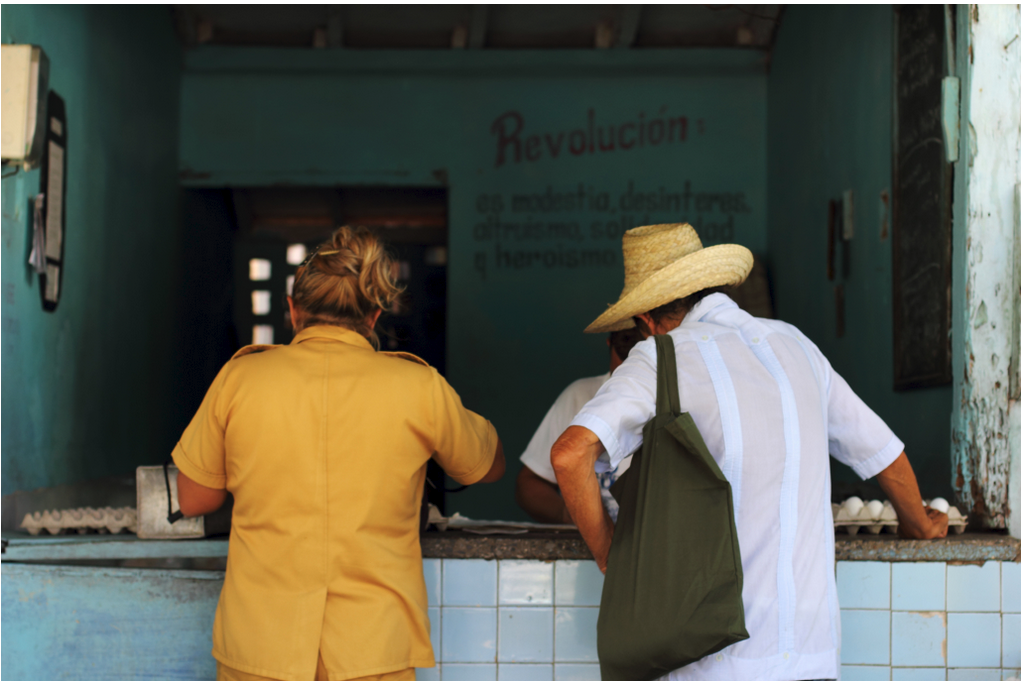
The situation confirms the deterioration of a market that for decades was considered strategic for Melia. / EFE
Executives from the Spanish hotel chain say that domestic tourism accounts for “virtually all reservations for the hotels that remain open”.
By 14ymedio
HAVANA TIMES – The Spanish chain Melia Hotels International has reduced its operations in Cuba to the point that approximately 50% of its hotel capacity on the island is now out of service. The decision, adopted gradually during the first quarter of the year, responds to the energy crisis, fuel shortages, and the decline in international air connections, according to the company’s financial results cited Thursday by the Spanish newspaper ABC.
The Mallorca-based company, one of the largest foreign operators in Cuba’s tourism sector, did not specify how many or which hotels remain closed. However, it acknowledged that by the end of March it was operating only about half of its hotel inventory in the country, where it currently manages 34 establishments and more than 5,000 rooms.
The chain also acknowledged that the establishments still operating depend almost entirely on domestic tourism, which represents “virtually all reservations for the hotels that remain open.” However, that market is insufficient to offset the decline in foreign visitors. In practice, the company has been forced to reduce its operational presence in the country while awaiting a possible normalization of energy supplies and a recovery in international demand.
Melia stated that operations in Cuba have been “significantly compromised” since the beginning of the year due to difficulties obtaining fuel and the deterioration of the tourism market.
The measure expands on the adjustment announced in February, when Meliá reported the temporary closure of three of its 35 hotels in Cuba. Operations are now concentrated in a smaller number of facilities, a practice increasingly common in Cuba’s tourism sector due to the lack of customers, fuel, and supplies.
In its report, Meliá stated that operations in Cuba have been “significantly compromised” since the beginning of the year due to difficulties obtaining fuel and the deterioration of the tourism market. The lack of aviation fuel, the company added, led to the cancellation of numerous direct connections to the island, including flights from Canada, which remains the main source of tourists to the country.
That collapse in flights further worsened an already weakened international demand. Hotels that remained open recorded an average occupancy rate of just 34.1% between January and March, a very low figure for a high-season destination that for years received heavy public investment in tourism infrastructure.
The situation confirms the deterioration of a market that for decades was considered strategic for Meliá. The company operates in destinations such as Havana, Varadero, Cayo Coco, Cayo Santa María, and Holguín, many of them designed for international sun-and-beach tourism. However, the combination of blackouts, fuel shortages, logistical problems, and reduced flights has severely limited the profitability of those destinations.
In its projections, the hotel company warns that the evolution of business in Cuba will depend on how events unfold, the recovery of supplies, and a possible return to normal conditions.
For the coming months, the hotel chain avoided offering a clear reopening timetable. In its outlook, it warned that the evolution of business in Cuba will depend on developments, the recovery of supplies, and a possible return to normalcy. Meanwhile, operations will continue to be limited by declining international demand and by the coordinated consolidation measures implemented in the country.
The Cuban setback was also reflected in Melia’s global accounts. In the first quarter, the company posted a net profit of 3.3 million euros, 68% less than in the same period the previous year, when it earned 10.5 million euros. Despite that decline, the group’s total revenues increased by 4.4% to 460.6 million euros, and RevPAR — the indicator measuring revenue per available room — rose by 8.3%.
The company attributes that positive performance to other markets, especially vacation destinations in Spain, Europe, and the Caribbean, where it says reservations are growing at double-digit rates compared to the previous year. It also maintains that, for now, geopolitical tensions in the Middle East have not had a significant impact on either demand or costs, although it is maintaining a cautious stance regarding a possible increase in energy prices and disruptions to air capacity.
For Cuba, however, the outlook is much bleaker. The island is going through one of the worst energy crises in its history, with prolonged blackouts, electricity generation deficits, and chronic difficulties importing fuel. That situation affects the population, state companies, and also foreign businesses that depend on stable infrastructure to operate.
First published in Spanish by 14ymedio and translated and posted in English by Havana Times.
Read more from Cuba here on Havana Times.